How Destination Wedding Photographers Get Found and Booked
Couples planning a destination wedding research the place and the photographer together. Here is how to turn last season's galleries into the proof that books the next one.
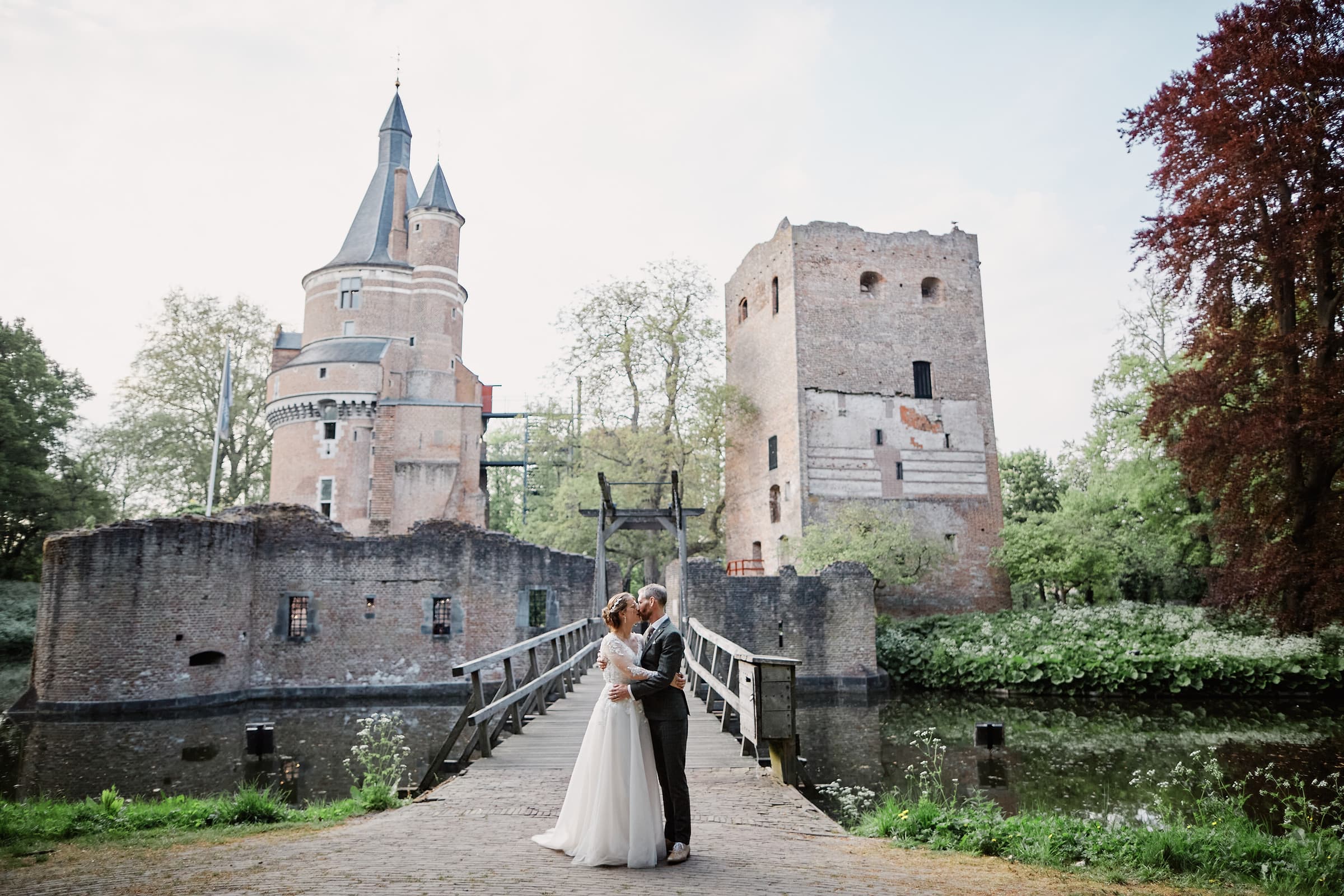
A destination wedding photographer sells two things a local shooter never has to justify: a place, and the case for flying someone in to shoot it. The trouble is that most of the proof for both sits behind a gallery link one couple opens once. The castle, the cliffside, the vineyard at golden hour, all of it disappears into a folder nobody outside the wedding party ever sees.
Here is how to turn last season's weddings into the thing that books next season's: something a couple planning their own trip can actually find, watch, and picture themselves inside of.
Your last wedding is a better sales page than your homepage
Your homepage can only claim that you shoot destination weddings. A finished story proves it, at the venue a couple is already considering, in real light, real weather, with a real couple's reaction caught on camera. That is the kind of proof a couple planning months of travel and a serious budget wants to see before they hand over a deposit.
Put that story where the couple already is: linked from your homepage, your Instagram bio, and the venue's own recommended-vendor page if they keep one. A couple who found the venue first and is now hunting for a photographer who already knows it is exactly the visitor worth converting.
Your own site should rank for the venue. The story should close the deal.
Because published stories are not pushed to search engines, the venue name should live on your own site, not rely on the story to rank for it. Write a short page or post named for the venue itself, something like "married at Villa Cimbrone" with two or three lines about what shooting there is actually like: the light at different hours, where the best backdrops hide, how the weather tends to behave that time of year. That page is what search finds when a couple types the venue's name into Google.
That page is what gets you found. The story you link from it is what turns the click into a booked call.
Every guest is on a different network in a different time zone
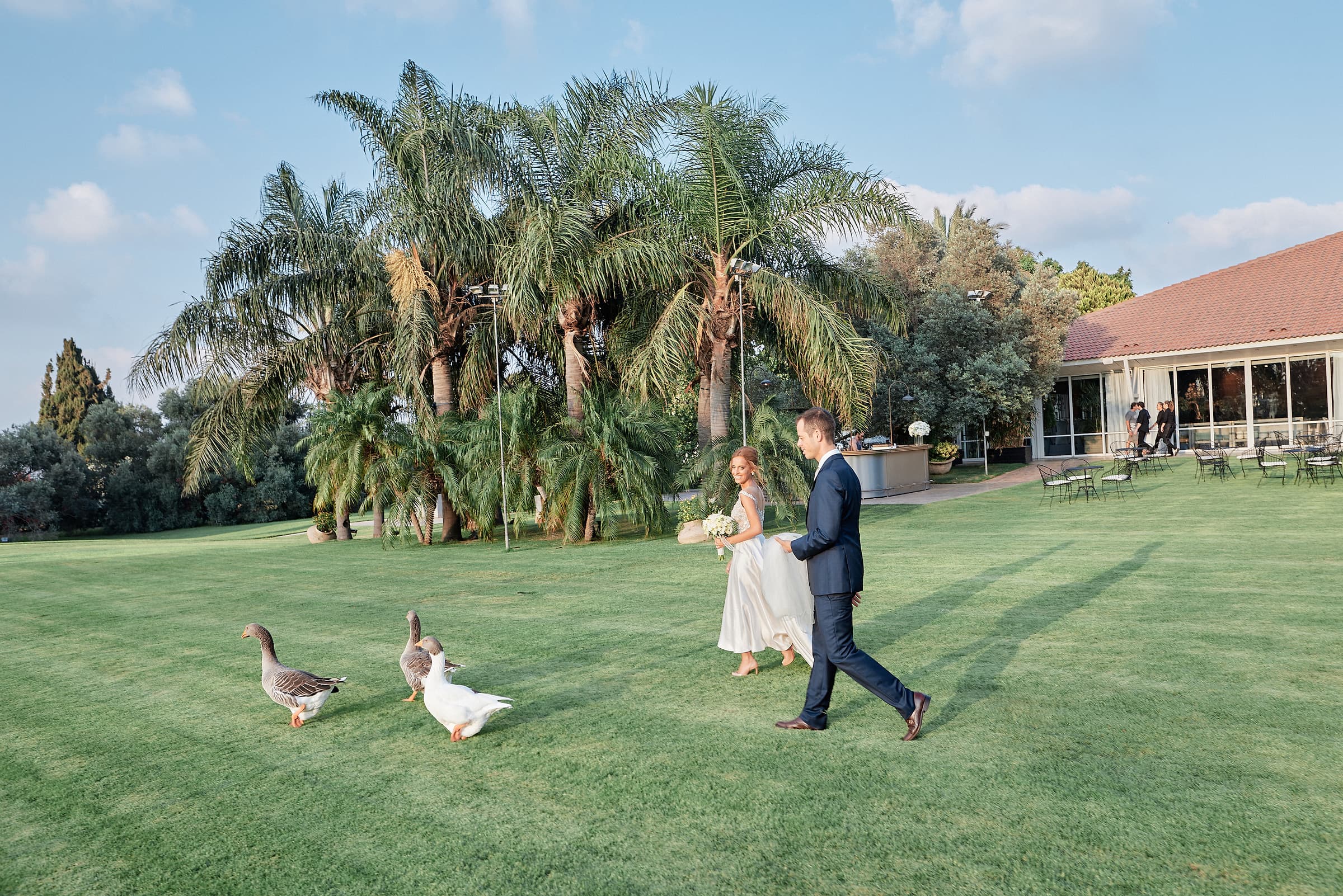
A local wedding's guest list mostly opens the gallery from home wifi. A destination wedding's guest list is dialing in from a dozen countries, half of them on hotel wifi, checking the link from bed after a long flight home. If the story is slow for any of them, it is slow for the exact people most likely to be planning their own trip next.
Every photo uploaded to Revivre is optimized the moment it lands: a ladder of sizes in both AVIF and WebP, plus a blurred placeholder that appears instantly while the real photo loads. A guest's phone only ever fetches the size its screen needs. You upload the same finished JPEGs you already deliver, nothing to re-export, nothing to guess at.
See which part of the day people actually stayed for
Studio and Signature plans include per-scene analytics: which part of the story guests lingered on, and where they dropped off. For a destination wedding, that is a direct line to your next pitch call. If the first look on the cliffside is the scene every guest finishes and the reception recap is the one they skip, lead your next consultation with the cliffside photo, not the reception one.
Turn one trip into your next booking
Publish one destination wedding as a story, free, and put it where couples researching that venue will actually find it.
Keep the private ones private, keep the showcase ones public
Password protection is one setting per story, so the couples who want their day kept to family and friends get exactly that, no photos or details sent until the password is entered. The showcase story you publish with a couple's consent stays out of search results too, the same as every other story. It is shareable by link, not crawlable. That is the right balance for a couple who agreed to be an example, not to being searchable forever.
If you are still weighing whether an interactive story or a plain gallery is the better container for the work itself, that case is laid out in why an interactive story beats a gallery for engagement. And if a couple asks what happens to their gallery after the wedding season ends, our hosting policy answers that in plain terms.
The checklist for every destination wedding you shoot
- Ask the couple, at booking, whether this one can be a public showcase.
- Write the venue's name on your own site, where search can actually find it.
- Link the story from that page as the proof, not the pitch.
- Check the retention data before your next consultation call.
- Keep every other gallery password protected by default.
The place sells the fantasy. The story sells you.