How to Build a Wedding Day Timeline That Actually Works
A realistic hour-by-hour wedding day timeline for photographers: golden hour math, buffer time, and the questions to ask before you build one.
A wedding timeline is not a courtesy you build for the planner. It is the single document that decides whether you get the photos you promised, or spend the reception apologising for the ones you missed. Get it right and the day flows. Get it wrong and you are chasing light you already lost.
Here is how to build one that survives contact with an actual wedding day.
Ask these questions before you write a single time
A timeline built without this information is a guess, dressed up as a plan.
- What time does the sun set at the venue, on that date? Not a rough guess, the actual time. It anchors everything else.
- How far apart are getting ready, the ceremony, and the reception? Travel time is the most common reason timelines collapse.
- How many family combinations does the couple actually need? Ask for the list in advance. "A few family photos" can mean six shots or twenty-six.
- Is the reception indoors or outdoors, and how is it lit? This decides whether you need a plan for after dark.
Work backward from golden hour
Most of your best portraits happen in the hour before sunset, so build the timeline backward from that number, not forward from the ceremony start time.
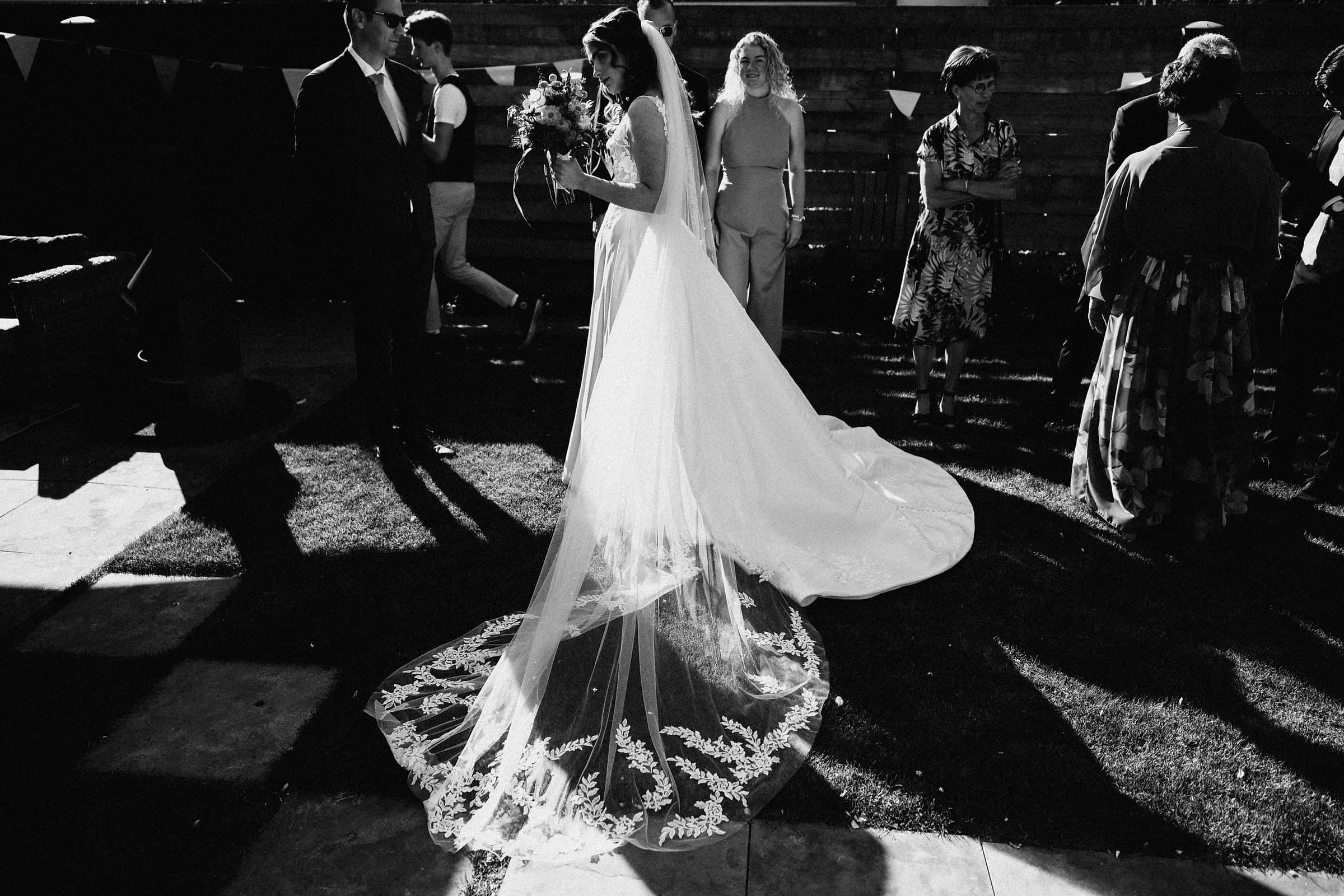
If sunset is at 8:40pm, portraits should start by 7:40pm at the latest, which means the reception's first dance and formalities need to be scheduled around that window, not competing with it. Couples will happily move a toast by twenty minutes once they understand what it buys them in photos.
A sample 8-hour timeline
Use this as a starting frame, then adjust every block to the couple's actual day.
| Time | What's happening |
|---|---|
| 12:00pm | Getting ready, detail shots (dress, rings, invitations) |
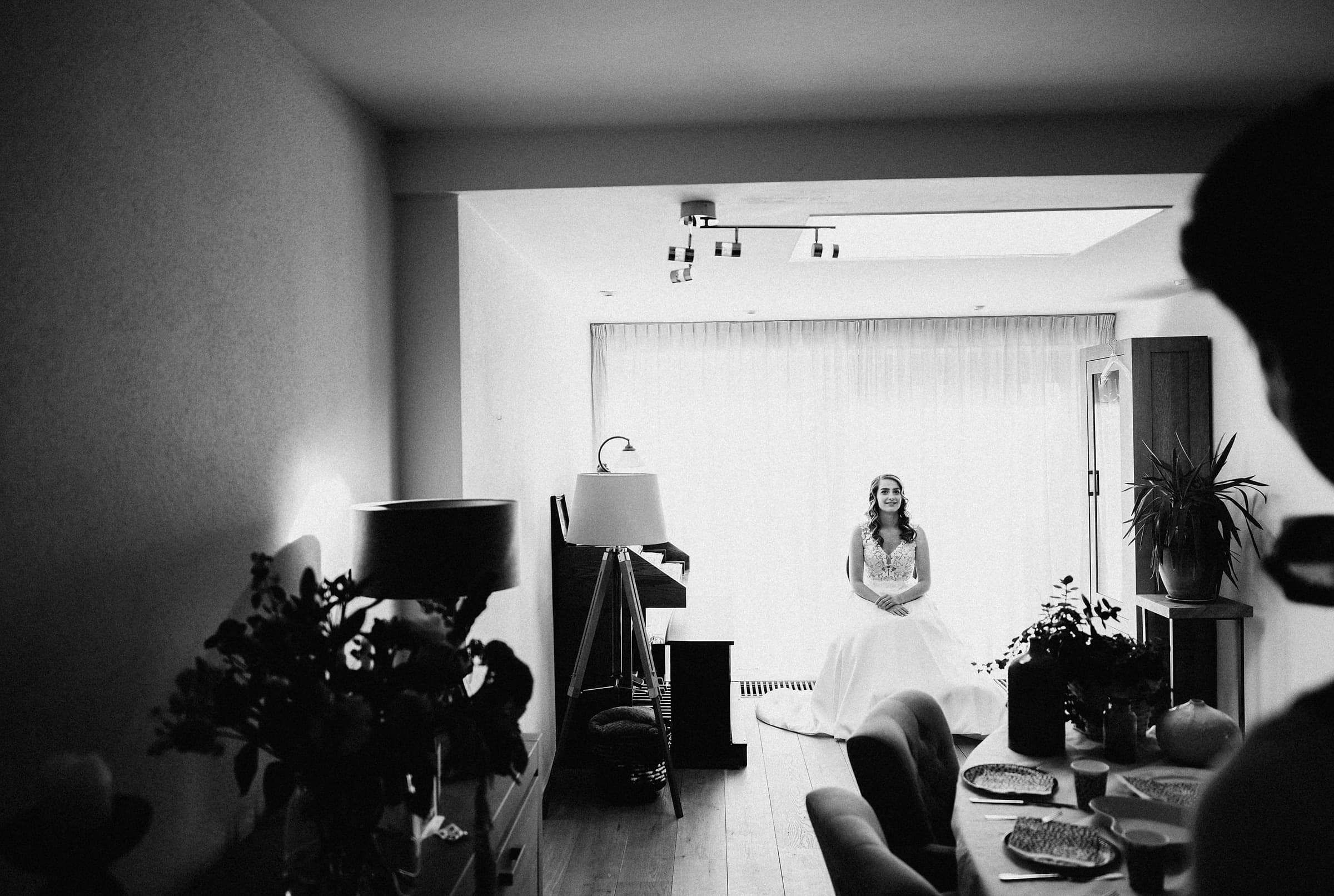
| 1:30pm | First look or final prep, wedding party photos |
| 2:30pm | Ceremony |
| 3:15pm | Family formals |
| 3:45pm | Wedding party portraits |
| 4:15pm | Couple portraits |
| 5:00pm | Cocktail hour, candid coverage |
| 6:00pm | Reception entrance, dinner, toasts |
| 7:40pm | Golden hour portraits |
| 8:15pm | First dance, open dancing |
Build in buffer, or the whole day slides
Every wedding runs long somewhere. The timelines that survive are the ones that expect it.
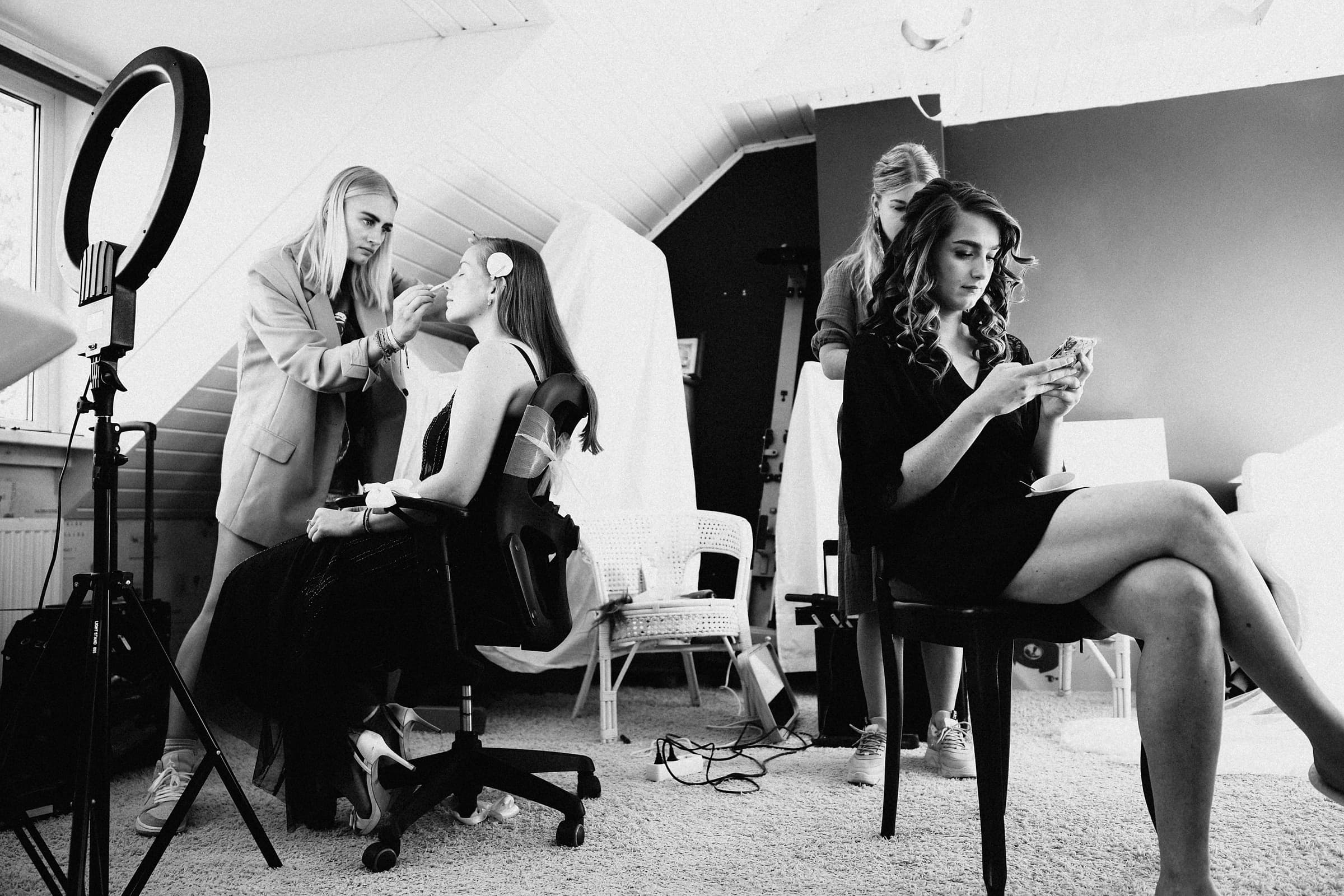
- Add 15 minutes to hair and makeup, always. It is the single most reliable place a morning slips.
- Double your estimate for large family formals. Twenty people take twice as long to organise as ten do, not because the math says so, but because somebody is always missing.
- Pad travel time between venues by at least 15 minutes. Traffic, parking, and a bride in a full gown do not move at Google Maps speed.
The order you shoot is the order they'll remember it
A timeline is really a sequence: quiet morning, ceremony, celebration, night. That same sequence is what makes a wedding worth watching back later, and it is worth protecting all the way through delivery, not just through the shoot. A photo grid strips that order out and hands guests six hundred thumbnails to sort through themselves. We wrote about why that costs you engagement in why an interactive story beats a gallery for viewer engagement.
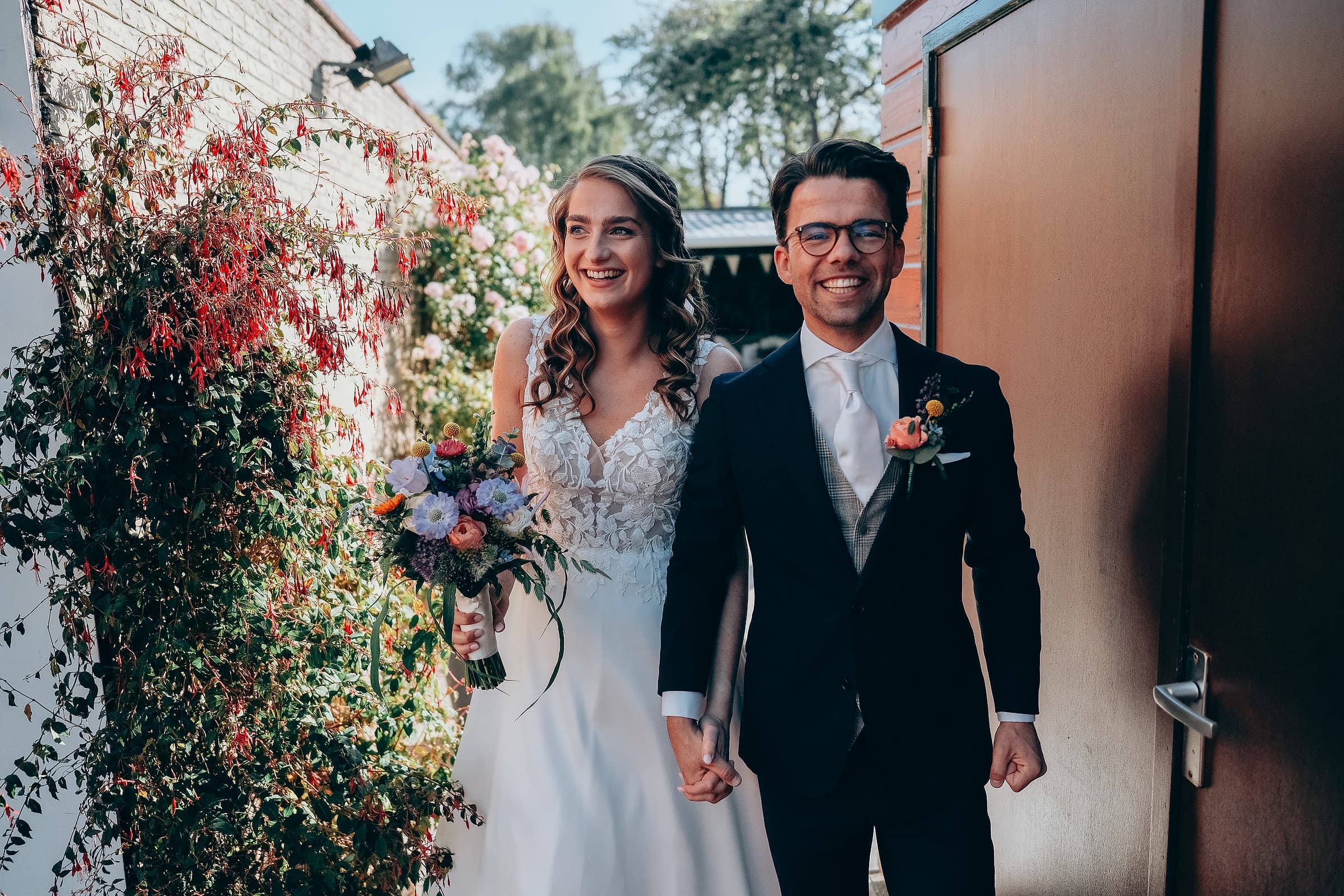
The day has an order. The delivery should keep it.
Revivre reads each photo's capture time and lays the wedding out in the order it happened automatically, from the quiet morning to the last song. You built the timeline once. Let the delivery follow it without redoing the work by hand.
Share it before the day, not on it
Send the finished timeline to the couple, the planner, and your second shooter at least a week out, as one clean page, not a chain of email edits. Anyone who can shift the day (the planner, the officiant, the venue coordinator) should see it before it is locked, because a conflict you catch on paper costs nothing. The same conflict discovered at 4:15pm on the day costs you the light you were counting on.
Build the timeline around the light, pad it honestly, and treat the sequence you shot as something worth protecting all the way to delivery. That is the whole job: get the couple to golden hour with time to spare, and hand back a day that still reads like one.