Wedding Photo Culling: How to Cut Your Editing Time in Half
A faster, more consistent culling workflow for wedding photographers, from the first pass through a full card to the final, deliverable-ready selection.

Ask most wedding photographers where their turnaround time actually goes and they will point to editing. The real answer is usually culling. Sitting with 3,000 to 6,000 images from a single wedding and deciding what stays is slower, more exhausting, and more prone to stalling than the editing that comes after it. Fix culling and the rest of the workflow speeds up on its own.
Why culling eats more time than editing
Editing is mechanical once you have a system: apply a preset, adjust for light, move to the next image. Culling is a decision made over and over, thousands of times, and decisions are what tire a brain out. Photographers who dread delivery are almost always dreading the cull, not the edit.
The fix is not working faster through the same process. It is using a process with fewer, clearer decisions per image.
A three-pass system built for volume
Trying to make a final decision on every image the first time you see it is where most of the fatigue comes from. Split the decision into three smaller, easier ones instead.
- The gut pass. Go through everything once, fast, at full speed, marking only a rough keep or reject. No zooming in, no comparing similar frames, no second-guessing. Your first instinct is usually right, and this pass should take a fraction of the time of a careful review.
- The comparison pass. Now look only at your rough keeps, and specifically hunt for near-duplicates: three frames of the same toast, five versions of the same portrait. Pick the strongest one from each cluster and reject the rest without guilt.
- The polish pass. What remains is your real shortlist. This is the only pass where you zoom in, check focus and expression closely, and make the final call on anything borderline.
What to cut without guilt
A big part of culling speed is trusting a short list of rules instead of relitigating the same decision every time.
- Eyes closed, unless it is genuinely candid gold. A closed-eye portrait rarely earns its place next to a clean alternate.
- Anything with unintentional blur. Intentional motion blur on a dance floor is a choice. A soft-focus portrait is a miss.
- Every near-duplicate but the strongest one. Three good frames of the same moment do not add value, they just add scrolling.
- Test shots and technical checks. The frame you took to check exposure before the real moment happened has no business in a client folder.
- Anything you would wince at. If you would not want a competitor to judge your skill by a specific frame, it does not belong in the delivery either, no matter how "real" the moment was.
The bottleneck hiding behind the cull
Here is the part most workflows get backwards: a smaller, tighter final selection is not just faster for you, it is a better experience for the couple. A gallery of 1,200 unsorted images asks a couple to do your editing job for you, scrolling past duplicates and misses to find the photos they actually want. A tight, well-sequenced 200 to 300 image story respects both your time and theirs.
This is where a leaner cull pays for itself twice. It cuts your hours, and it gives you a set of images strong enough to actually sequence into a story instead of a dump couples have to sort through on their own.
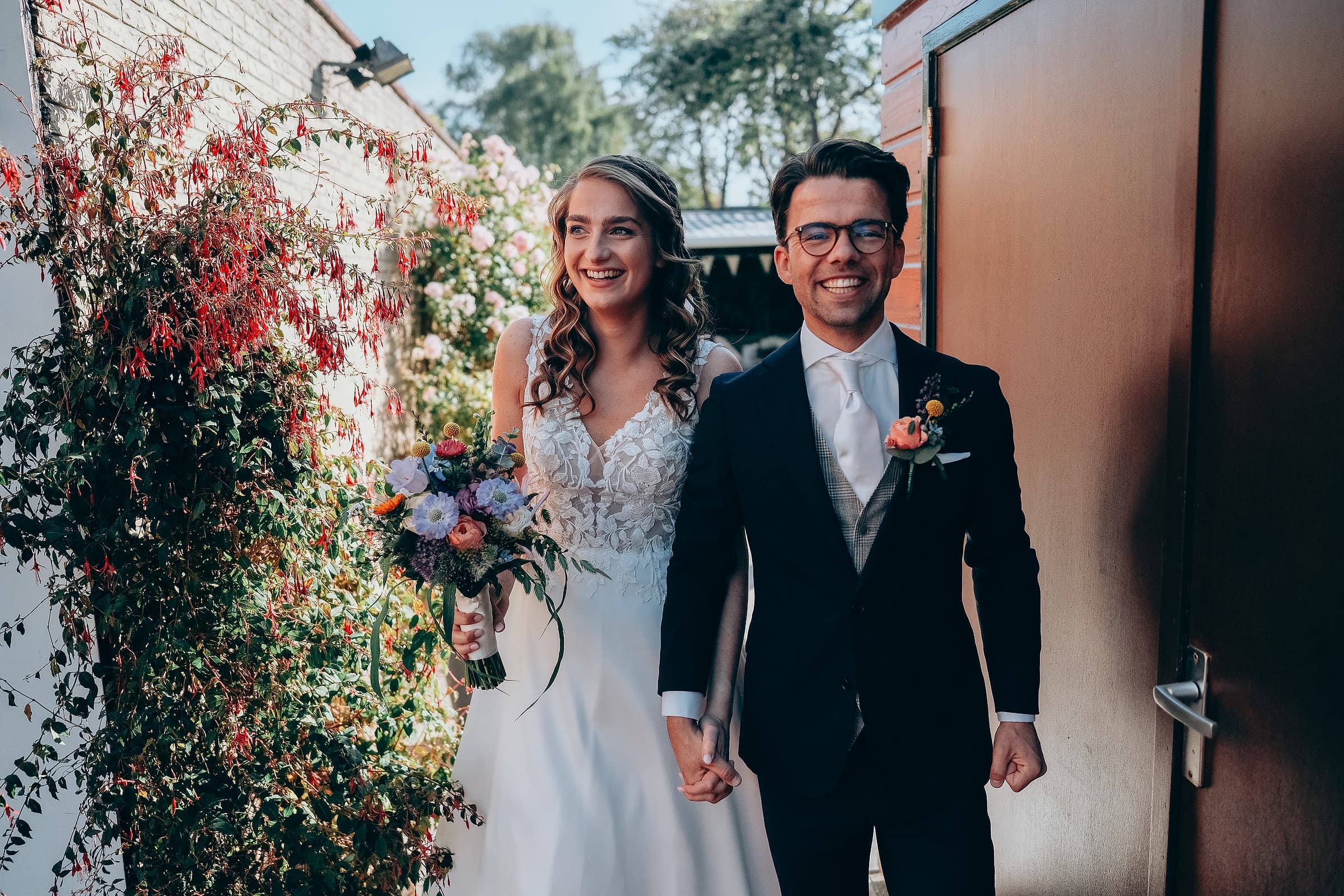
Deliver the cull, not the whole card
Once your final selection is culled, Revivre turns it into a scroll-driven story instead of a flat folder, so the editing time you saved on the cull shows up as a better delivery, not just a shorter to-do list.
Build the habit that saves the most time
The single biggest time saver is not a faster tool, it is consistency. Culling a wedding the same day every week, at the same time, before the backlog grows, keeps each session short and keeps your judgment sharp instead of fatigued from stacking three weddings' worth of decisions into one overwhelmed afternoon.
Pick one day. Cull one wedding at a time, start to finish, using the three passes above. The system does the hard part. All you have to do is not skip it.