How to Sequence Wedding Photos Into a Story People Watch
A practical sequencing framework for turning a wedding shoot into a story people watch start to finish, plus the mistakes that make even great photos fall flat.
Send a couple a gallery of 800 beautifully edited photos and most of them will scroll for ninety seconds, say something nice, and close the tab. Send the same photos in the right order and they will watch the whole thing, then send it to twelve people. The photos did not change. The sequence did.
Photographers spend years learning light, composition, and editing. Almost none of that training covers the one skill that decides whether a body of work gets watched or skimmed: how you order it.
Why sequence matters more than any single photo
A gallery sorted by timestamp is not a story, it is a filing system. It puts the burden of finding meaning entirely on the viewer, and most viewers will not do that work. A story does the work for them. It opens with a reason to keep watching, builds tension toward a moment they already know is coming, and closes on something that lingers.
This is not about picking "better" photos. A wedding gallery and a wedding story can contain the exact same 150 images and produce completely different reactions, purely because of the order they arrive in.
A five-beat structure that works for almost any wedding
You do not need to reinvent narrative structure for every shoot. A wedding already has a shape. Your job is to find it in the images you captured and let it lead.
- Anticipation. The quiet, textural shots before anyone is dressed: hands, details, empty chairs, morning light through a window. These set a mood before a single face appears.
- Arrival. The first look, the walk to the ceremony, the moment guests turn around. This is where energy starts to build and faces start to show up.
- The vow. The ceremony itself, told through reactions as much as the couple: a parent wiping their eyes, a friend leaning forward, the ring going on. This is the emotional spine of the whole piece.
- Celebration. Toasts, the first dance, the dance floor breaking loose. This is where pace can finally speed up after a slower, more deliberate build.
- Afterglow. One or two quiet closing images, a couple slipping away from the party, string lights, a last look back. Every story needs a place to land.
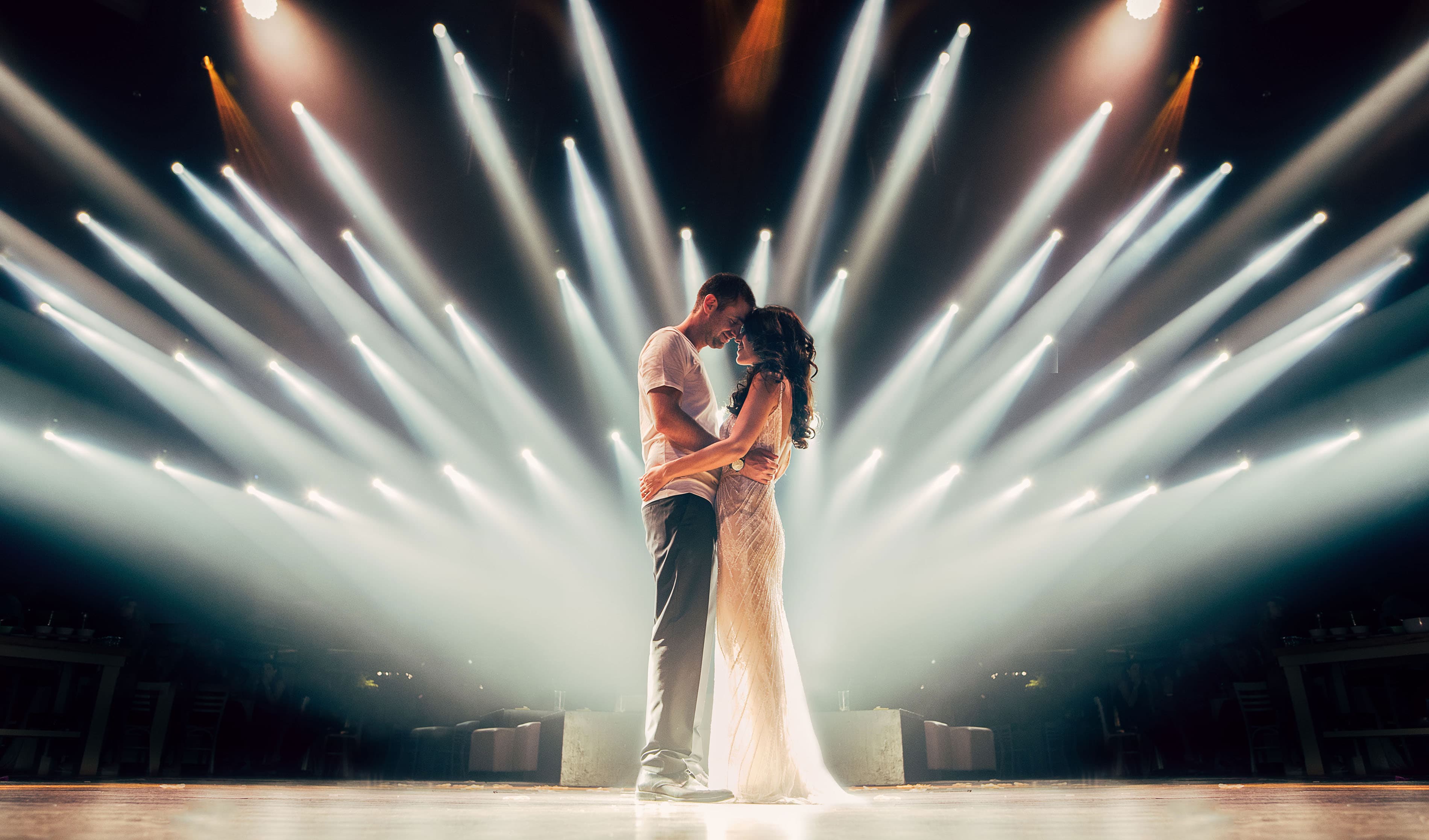
The sequencing mistakes that kill momentum
Most galleries do not fail because the photography is weak. They fail because the order works against the story that is already sitting in the files.
- Front-loading every portrait. Twenty consecutive posed portraits at the start of a gallery reads like a menu, not a moment. Spread portraits through the story where they earn their place.
- Ceremony sameness. Ten nearly identical wide shots of the ceremony in a row slow the pace exactly where it should be building. Cut ruthlessly and vary the angle: a reaction, a detail, a wide, a close.
- No pacing changes. A story that moves at one speed the whole way through starts to feel flat by the halfway point. Slow down for the vow. Speed up for the dance floor. The contrast is what makes both feel bigger.
- Reception as an afterthought. Dumping a hundred party photos at the end with no editing rhythm undoes the buildup you spent the first half of the story earning. The celebration deserves the same intentional pacing as the ceremony.
- No closing image. Ending on whatever the last photo happens to be, rather than choosing one, leaves the story without a landing point. Pick your last image on purpose.
Let the format carry some of the work
A static grid fights you at every one of these beats, because every image competes for attention at once and nothing controls pace. This is the actual argument for why a scrolling story beats a gallery: it is not a stylistic preference, it is a structural one. A story that reveals one beat at a time, at a pace you set, is the only format built to hold the five-beat shape above instead of flattening it.
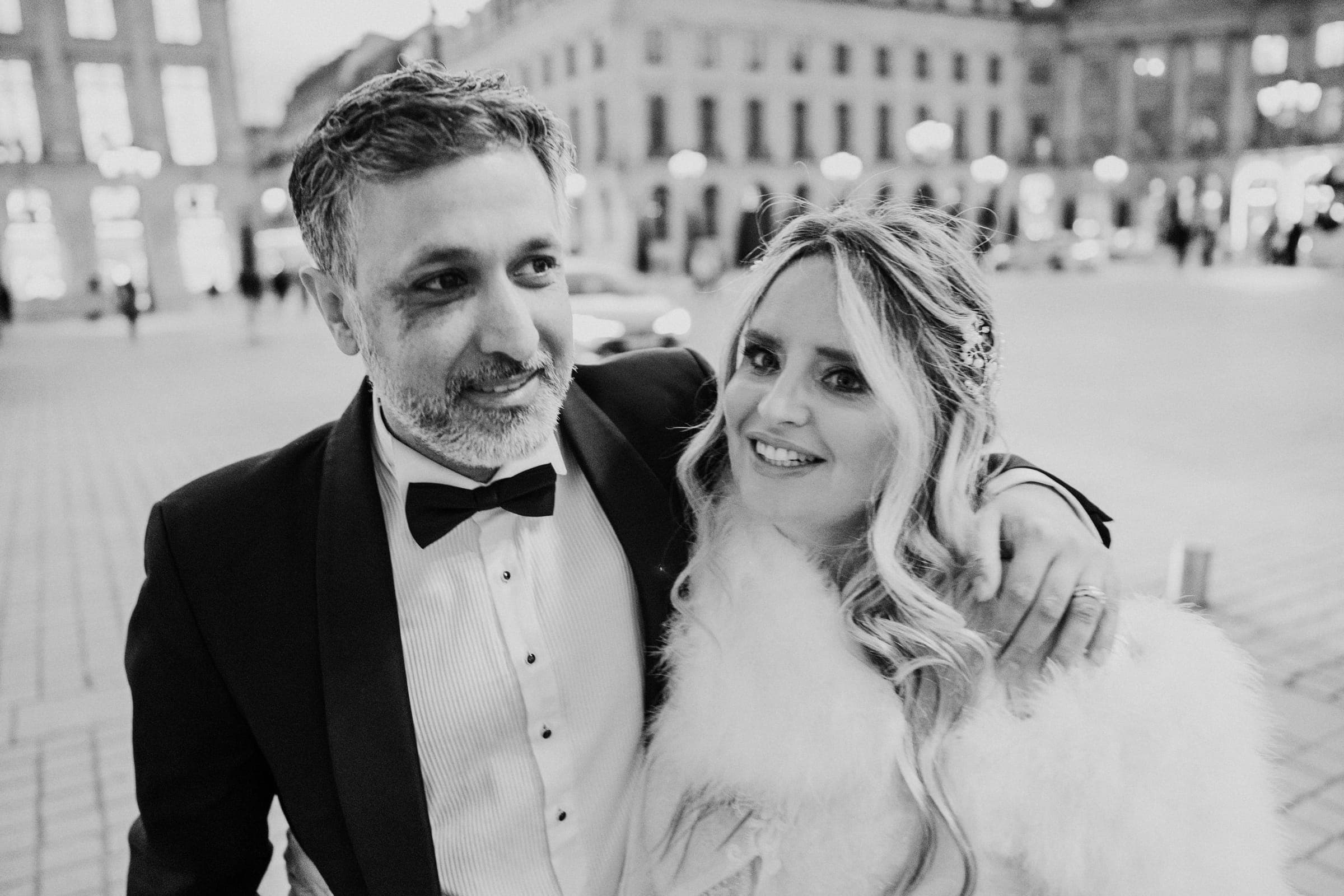
Give the story room to breathe
Revivre turns a shoot into a scroll-driven story with pacing built in: slow reveals for the quiet beats, quicker rhythm for the celebration, and a real closing moment instead of a gallery that just runs out of photos. Couples watch it end to end, and every share carries your name.
A pre-delivery sequencing checklist
Before you send anything, run the final selection through this list:
- Does the opening image earn a second look? If the first photo could belong to any wedding, replace it.
- Can you name the five beats in your own edit? If you cannot point to where anticipation ends and arrival begins, the viewer will not feel it either.
- Is there a pacing change at the vow and again at the dance floor? Those are the two places contrast matters most.
- Did you cut the near-duplicates, even the good ones? Two great versions of the same moment back to back weaken both.
- Is the last image chosen, not just left over? Pick it the way you would pick a cover photo.
Great photography gets a wedding looked at. The right sequence is what gets it watched, remembered, and passed along to everyone who was not in the room.