Multi-Day Weddings: How to Deliver a Story, Not Chaos
Multi-day weddings pay well and travel far on referrals, but three or four events can turn into a delivery mess. Here is how to structure it as one story instead of eight galleries.
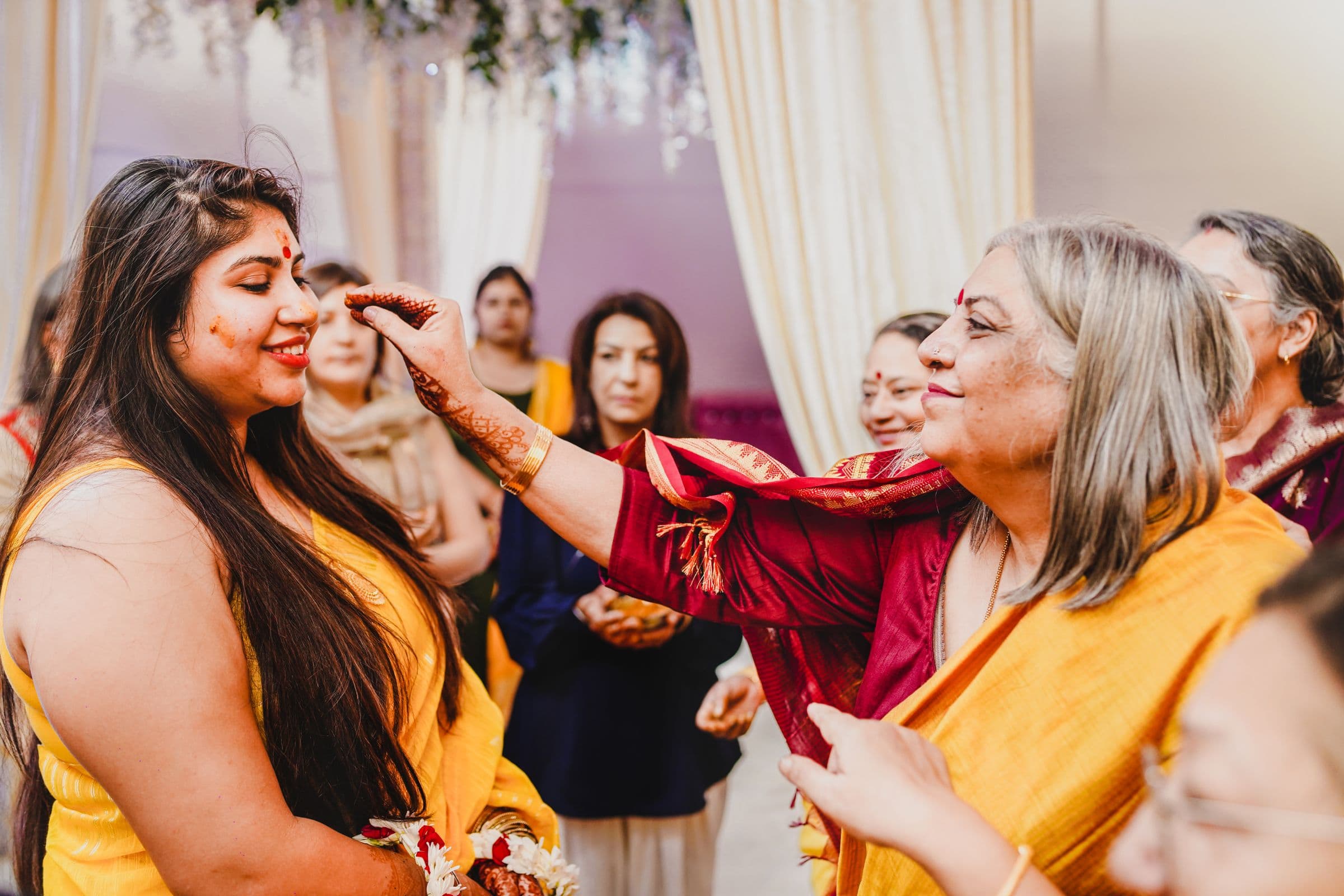
A multi-day wedding is one of the best bookings on your calendar and one of the easiest deliveries to get wrong. Three or four events, sometimes across three or four venues, each with its own outfits, its own guest list, and its own mood: a quiet Haldi in someone's garden in the morning, a loud Sangeet that night, the ceremony the next day, a reception after that. By the time you are done shooting, you can have four thousand photos and no obvious way to hand them over that does not feel like dumping a filing cabinet on the couple.
Most photographers solve this the same way: one enormous gallery, sorted by folder, sometimes not sorted at all. It technically works. It also throws away almost everything that made the week worth booking in the first place.
Why this booking deserves more than a bigger folder
Multi-day weddings already pay more than a single-day booking, and they should. More days, more coverage, more editing hours. But the fee is only half of why this booking matters. A multi-day wedding also has more people attached to it: two extended families, often split across cities or countries, all of whom want to see the parts they were not in the room for. The grandmother who could not travel for the Sangeet still wants to see it. The cousin who missed the ceremony for a flight delay still wants to feel like they were there.
A single overwhelming gallery serves none of that. It serves the couple poorly too: nobody sits down and clicks through four thousand thumbnails in one sitting, so most of the week you photographed never actually gets seen.
Structure it like a season, not one long scene
The fix is not culling harder, though you should cull hard. It is changing the shape of the delivery so each event reads as its own chapter inside one connected story, instead of one undifferentiated stream of images.
- Open each event with a scene-setter. One wide frame of the space before it fills up, or the first arriving guest, followed by a single line of context: the event name, the day, who is involved. That one line does the job an entire folder name currently fails to do.
- Keep each chapter short. Curate twenty to forty images per event, not the full take. The rest still exists for the album and for prints. The story is the highlight reel that gets watched, not the archive.
- Write a bridge line between events. A sentence that carries the reader from the Haldi into the Sangeet, or from the ceremony into the reception, is what makes four events feel like one week instead of four unrelated deliveries.
- Close on the whole arc, not just the last event. End with a frame or line that nods back to where the week started. That is what turns "here is the reception gallery" into "here is your wedding."
Structured this way, one link can hold the entire week and still feel light enough to open on a phone between flights. A relative overseas can watch the whole arc in order, the same way the family who attended every event experienced it, just compressed into minutes instead of days.
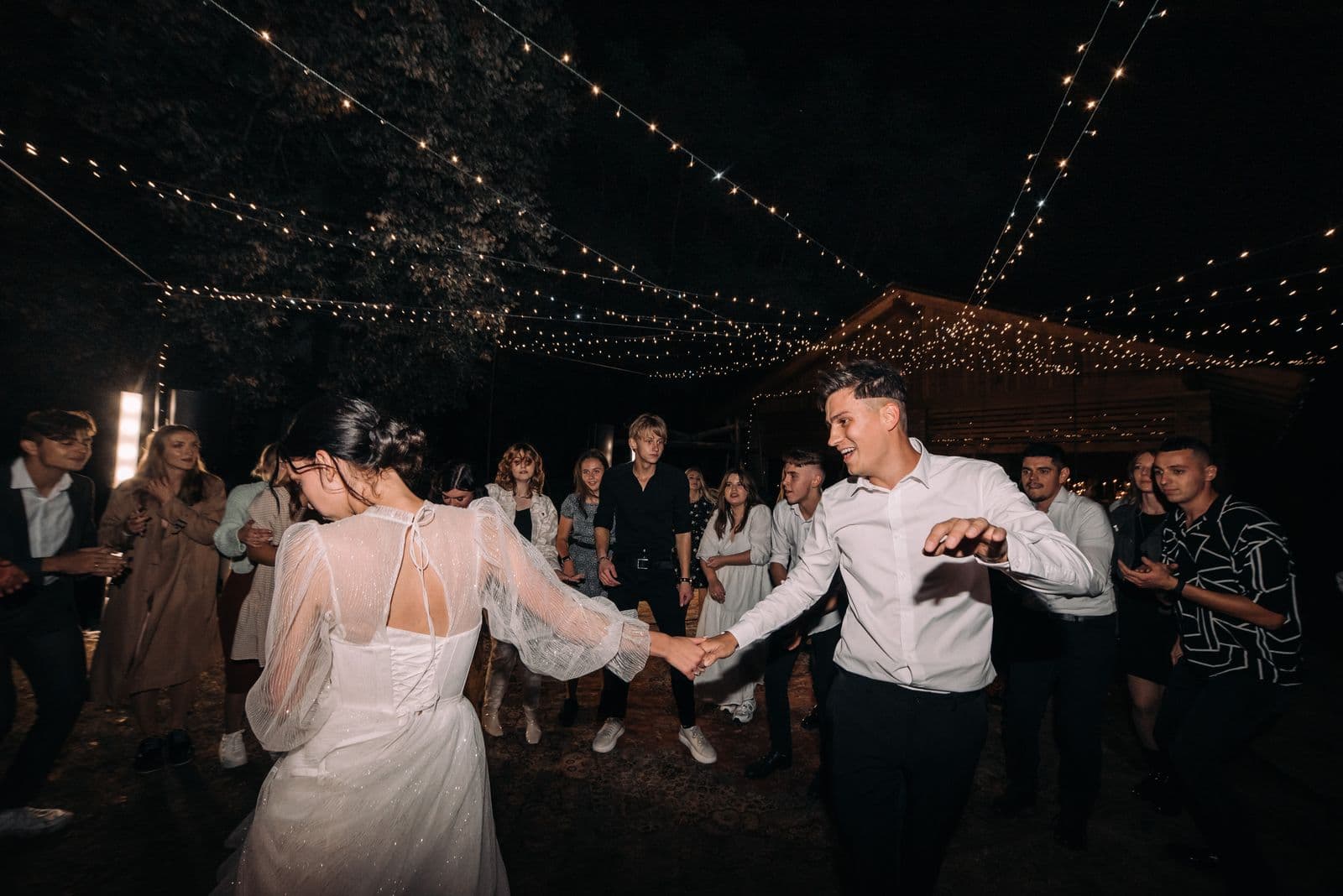
Give a three-day wedding one link, not eight galleries
Upload each event as it happens, tell Revivre where one chapter ends and the next begins, and send a single story that plays the whole week in order. Your first published story is free.
Handling the parts that do not fit the arc
Not everything from a multi-day wedding belongs in the shared story, and that is fine. Detail shots, the full formal portrait list, and the couple's private album spreads still belong in a separate, complete gallery for the couple alone. The public-facing story is a curated arc built for sharing. The full gallery is the archive built for keeping. Keep both, and be clear with the couple about which one is which, so nobody expects four thousand photos inside a five-minute story.
It is also worth asking early which events different family members were present for. A version of the story that opens on the event a given relative actually attended, rather than always starting from day one, is a small touch that makes the delivery feel personal instead of generic, especially for large families spread across time zones.
Why this pays you back beyond the one booking
A multi-day wedding usually has the widest referral radius of anything you shoot. Two large families, often in two different cities, both got a delivery that made sense of a chaotic week. That is the exact audience that books you next, and the exact audience that forwards a link when it is worth forwarding. If you are also thinking about how a shared story turns into new inquiries, how to get more wedding bookings without spending a cent on ads covers the rest of that loop, and how to sequence wedding photos into a story people watch goes deeper on the pacing inside a single chapter.
A three-day wedding was never really eight separate galleries. It was always one story, told across more days than usual. Deliver it that way, and the size of the booking stops being a liability you manage and starts being the reason people talk about you.