How to Turn a Rainy Wedding Day Into Your Best Photos
A rained-out wedding is not a disaster shoot. Here is how experienced photographers plan for weather ahead of time, protect the timeline, and use the rain to create images couples end up loving the most.
Every photographer gets the same text a few days out from a wedding with a rain icon in the forecast: "should we be worried?" How you answer that message matters almost as much as what you do on the day itself. Couples take their cue from you. If you sound calm, they relax. If you scramble, so do they, and that shows up in every photo.
Rain does not ruin a wedding gallery. It changes it, and often for the better. Some of the most talked-about wedding photos are the ones taken under a borrowed umbrella or through a rain-streaked window, not in spite of the weather but because of it.
Plan for weather before it becomes a problem
The worst time to build a rain plan is the morning of the wedding, when the couple is already anxious and the timeline is already tight. Bring it up early.
- Ask about it during the timeline call. Walk through the venue's indoor options together: a lobby, a covered porch, a barn aisle, a hallway with good light. Know exactly where you would move the ceremony or portraits before you ever need to.
- Do a rainy-day version of the shot list. If the couple wanted portraits at a specific outdoor spot, find its indoor or covered equivalent now, not while everyone is standing around getting wet.
- Suggest matching umbrellas. A couple of clear or color-coordinated umbrellas, chosen ahead of time, turn a logistics problem into a styling choice. It also means you are not photographing five mismatched golf umbrellas from the venue's lost and found.
What to actually pack
A wet wedding day is harder on your gear than on you. Build a small kit and keep it in the car regardless of the forecast:
- Clear umbrellas for the couple and one for you, so you can shoot with a hand free.
- A rain sleeve or cover for your camera, plus a stack of microfiber cloths. You will use more of these than you expect, mostly on your own lens.
- Extra batteries. Cold, damp weather drains them faster than a sunny afternoon does.
- A dry bag for backup bodies and cards, and a second pair of shoes for yourself. Soaked shoes by hour six are their own kind of distraction.
Work with the weather instead of around it
Once the rain plan is real, use the rest of the day to adjust rather than resist:
- Move portraits earlier if rain is coming later, or flip the order and shoot details and getting-ready first if the morning is the wet window.
- Use covered spaces as backdrops on purpose. A stone archway, a covered porch, a hotel awning: these read as intentional, not improvised, once you frame them like you mean it.
- Photograph the guests reacting, not just the couple staying dry. Someone laughing under a borrowed jacket, a flower girl stomping a puddle, a best man holding two umbrellas at once: these are the frames people forward to each other for years.
The shots that only happen because it rained
A clear sky produces a certain kind of wedding gallery, and every couple has seen a hundred versions of it. Rain gives you images nobody else's gallery has:
- Reflections of the dress or the venue lights in a wet street or puddle.
- The soft, even light rain clouds create, which is far more forgiving on faces than harsh midday sun.
- A couple pulled close under one umbrella, which reads as more intimate than the standard arm's-length portrait pose.
- Dramatic indoor lighting when the party moves inside, string lights or chandeliers doing work that flat outdoor light never could.
Shoot toward a light source in light rain and you will pick up a fine sparkle in the air that reads beautifully in the final images, something a dry day simply cannot give you.
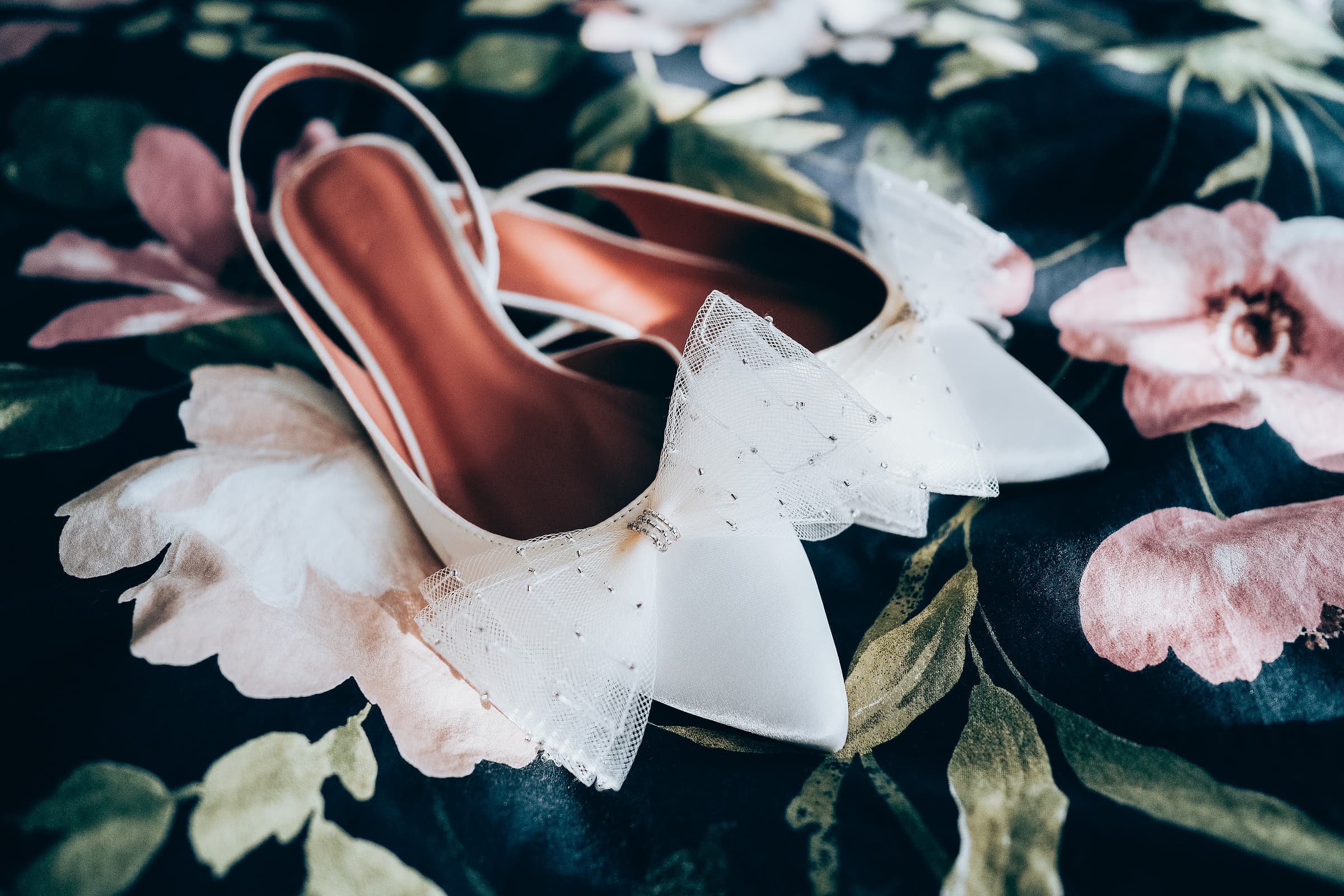
Show the rain as part of the story, not a footnote
A flat photo grid buries your best rainy-day frame between a hundred other thumbnails. A Revivre story lets you sequence the day as it actually unfolded, building from the nervous look at the sky to the umbrella walk to the moment everyone forgot it was raining at all.
Talk to your couple like a professional, not an apologist
The single biggest factor in how a rainy wedding feels is your own tone. Skip the apologies. Instead of "I'm so sorry about this weather," try "we planned for this, let's go get something great." Confidence transfers directly into how relaxed the couple looks on camera, and a relaxed couple photographs better in any weather.
Deliver it as the story it actually was
When you get to editing and delivery, resist the urge to treat the rain photos as a smaller, apologetic side gallery. Sequence them into the main story of the day, alongside the vows and the first dance, exactly how you would sequence any other wedding day into a narrative. A couple whose wedding photos tell the honest story of their day, weather included, is a couple who trusts you completely, and trust is what turns into the kind of five-star review that brings in the next booking.
Rain is not the enemy of a good wedding gallery. An unprepared photographer is. Plan for it once, pack for it always, and the next rainy forecast will feel like an opportunity instead of a threat.