The Second Shooter Guide: When to Hire One and Why
A second shooter changes what you can deliver, not just how many photos you take. Here is when it pays off, what to pay, and how to direct one so the coverage actually helps.
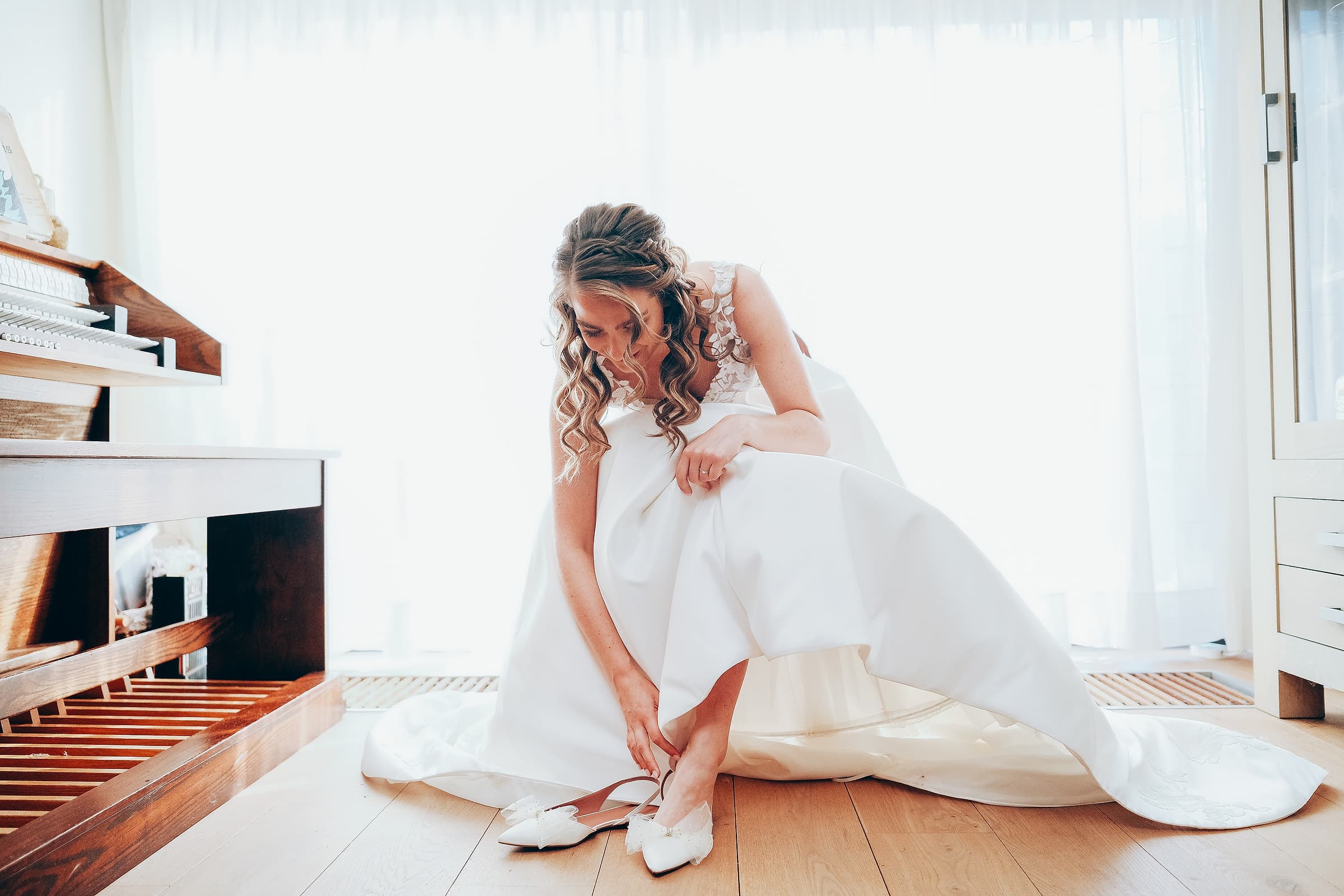
There is a specific moment every wedding photographer knows: the groom is getting ready in one room, the bride in another, on opposite ends of the venue, and you have exactly one body to cover both. A second shooter is the answer to that moment, and to a dozen others across a wedding day where being in two places at once would change the gallery entirely.
Hiring one is not just about volume. It is about which moments you can promise a couple you will actually catch.
What a second shooter actually gets you
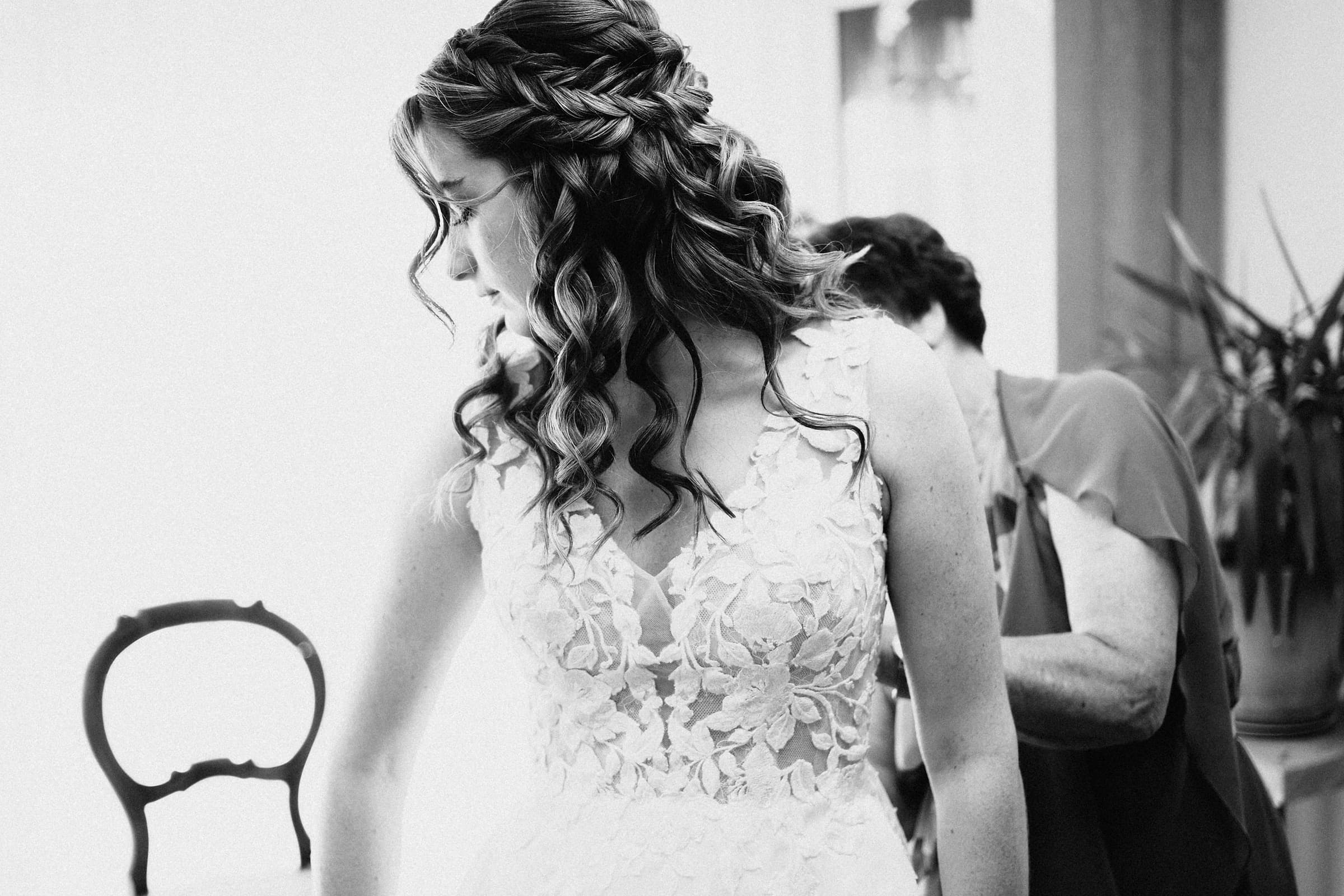
- Simultaneous coverage. Getting-ready shots from both sides of the wedding party, the groom's reaction and the bride's entrance from two angles, ceremony details from the aisle and from behind the officiant at once.
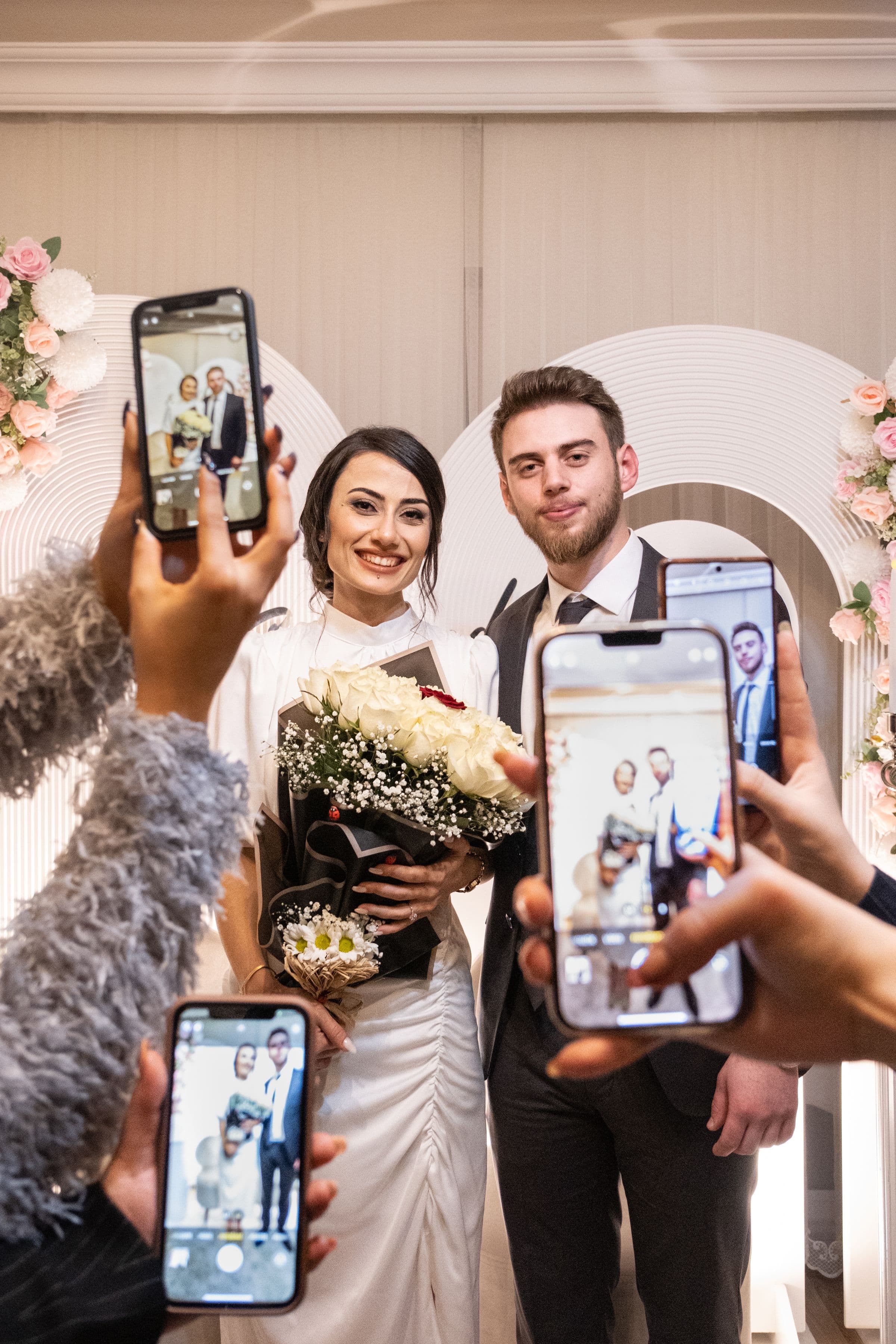
- A second perspective during key moments. During the first look or the vows, your second shooter can catch the guests' reactions while you stay locked on the couple. Neither angle works without the other.
- Backup, not just extra hands. If your primary body or a lens fails mid-day, a trained second shooter with their own gear keeps the day moving without a gap in the coverage.
When it is worth the cost
Not every wedding needs a second shooter, and adding one reflexively eats into your margin for no real benefit. Bring one on when:
- The wedding party is getting ready in two separate locations. This is the single clearest case. Without a second shooter, you are choosing which side of the story to miss.
- The guest count is large enough that reactions matter. At an intimate elopement, a second shooter often gets in the way more than they help. At a 200-guest wedding, a second angle on the ceremony and reception is a real upgrade to the final gallery.
- The timeline is unusually tight or spread across a large venue. A second shooter closes the physical gaps a single photographer cannot close fast enough on foot.
- The couple has specifically asked for more candid coverage. Extra candids from the reception, caught while you focus on formal portraits, is one of the easiest upsells a second shooter makes possible.
What to actually pay
Rates vary by market and experience, but a workable range for most studios is a flat day rate for the second shooter, separate from what you charge the couple. Many photographers mark up that cost by twenty to forty percent when building it into a package, which covers your time managing and directing them on top of their fee. If you are still working out where your overall pricing should sit, build the second shooter line as its own clearly labeled add-on rather than folding it invisibly into a single package price.
How to direct a second shooter so it actually helps
Hiring one is only half the job. Directing them well is what turns a second body into a genuinely better gallery instead of a folder of redundant shots.
- Assign them a lane before the day starts. Getting-ready coverage of one side of the party, guest reactions during the ceremony, candids during cocktail hour: give them a clear zone instead of leaving them to guess where to point the camera.
- Share the shot list and the timeline in advance. They should know the key moments as well as you do, so neither of you is scrambling to explain things between courses.
- Set a shooting style, not just a shot list. Brief them on your editing style and general framing preferences so their images blend into the gallery instead of reading like a different photographer's work.
- Debrief after the wedding. A five-minute conversation about what worked and what did not makes every future wedding with that second shooter smoother.
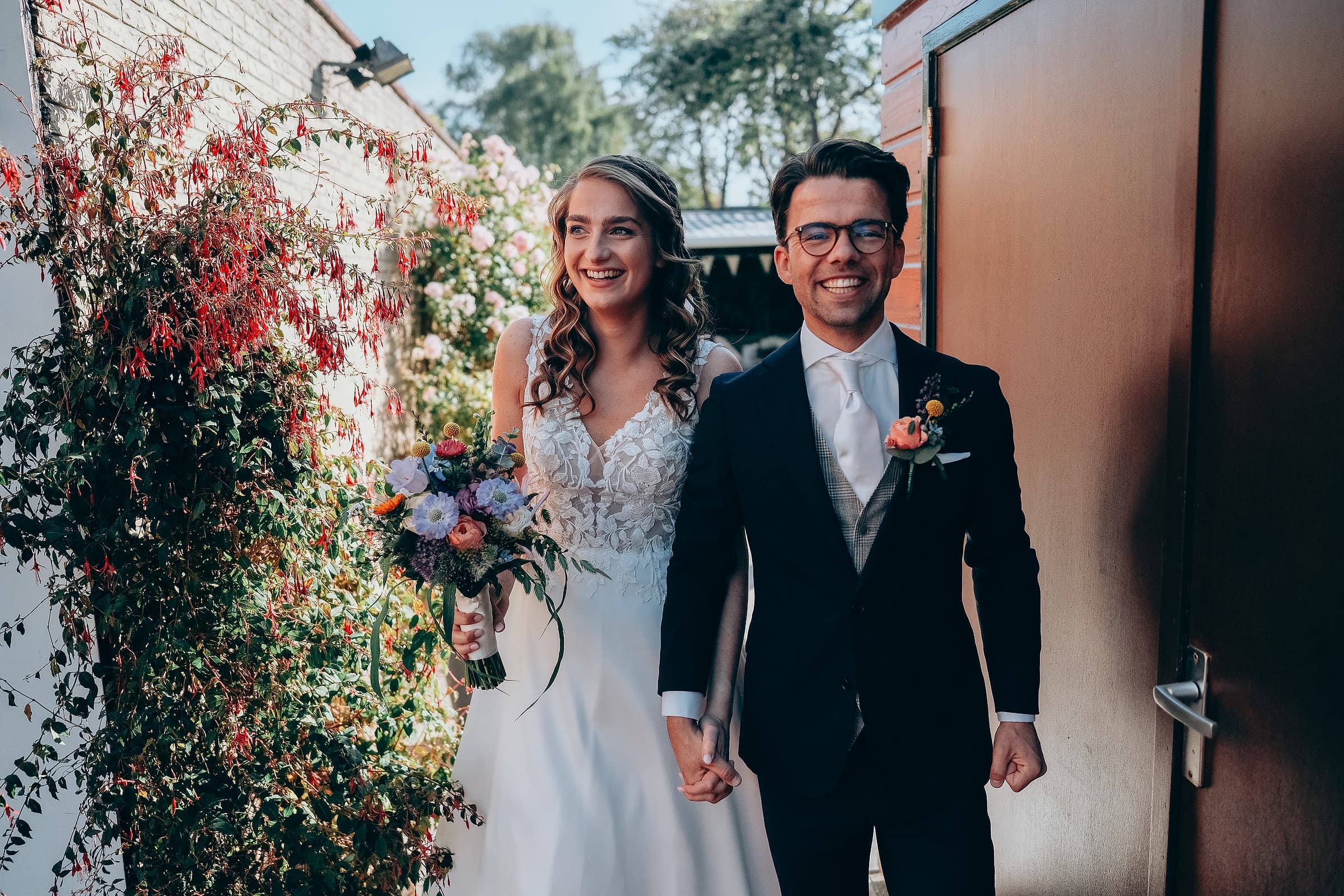
One gallery, two photographers, one seamless story
Combining two shooters' images into a coherent wedding story used to mean a long culling session and a lot of guessing about order. Build the day once in Revivre and every angle, both photographers' work included, lands in one sequence the couple actually watches start to finish.
The real return on hiring one
A second shooter costs money up front, but the coverage it buys shows up in how many photos you can confidently deliver and how complete the final story feels to the couple. A gallery that shows both getting-ready rooms, both reactions during the vows, and genuine guest candids from the reception reads as more thorough than one shot by a single photographer working alone, and couples notice the difference even when they cannot name exactly why.
Start with the weddings where the case is obvious: two getting-ready locations, a large guest list, a sprawling venue. Once you have a second shooter you trust and a clear way of directing them, expanding when it makes sense becomes an easy call instead of a gamble.