How to Price and Package Elopement Photography
Elopements are short days that ask a lot of you. Here is how to build elopement packages that cover the planning, the travel, and a delivery couples actually share.
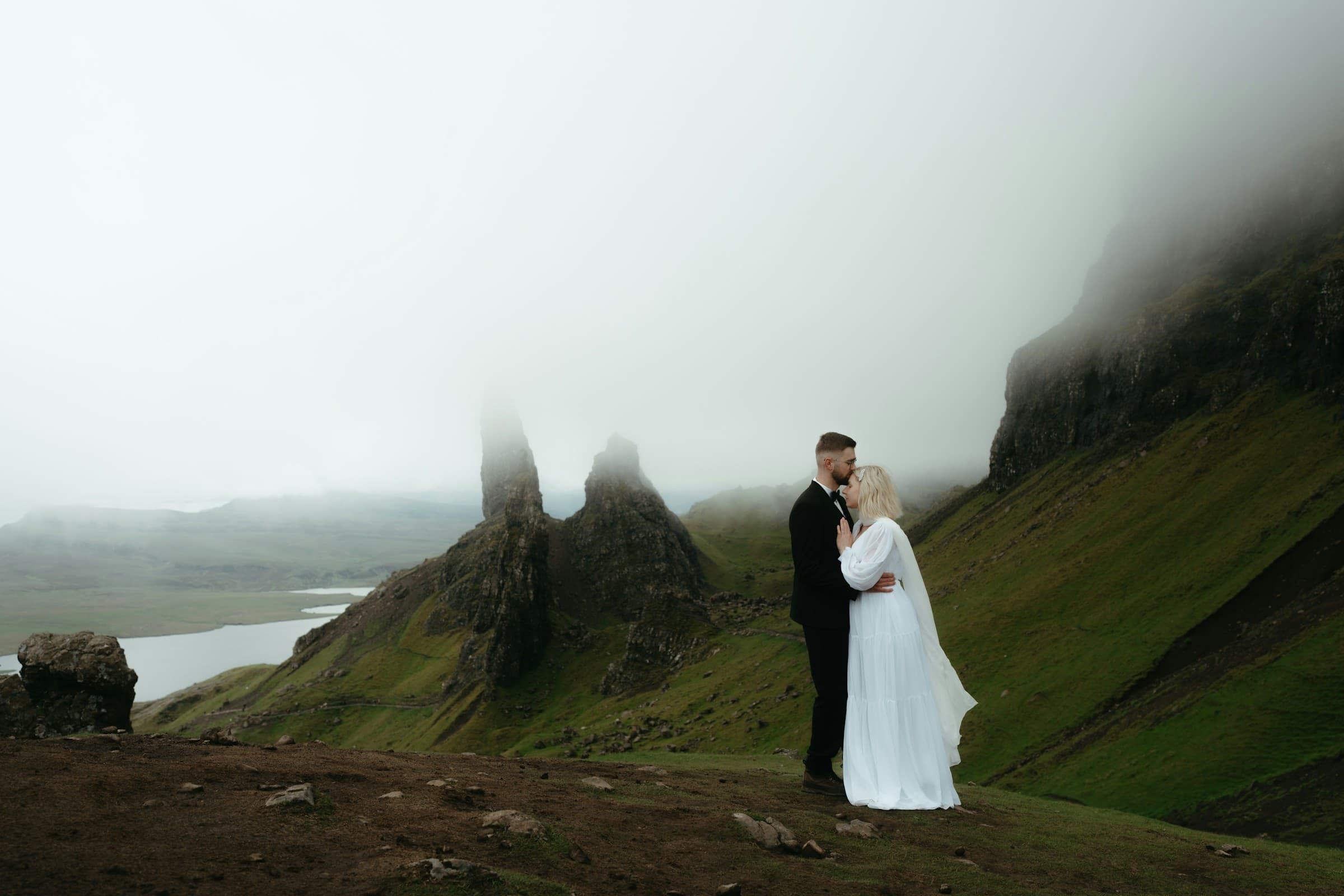
Elopement pricing goes wrong in the same place almost every time. A couple asks for "just two hours on a hilltop," you quote two hours, and then you spend three weeks helping them find the hilltop, checking the permit rules, driving four hours the night before, and hiking in the dark to be there for sunrise. The invoice covers a fraction of the work.
The fix is not charging more for the same package. It is building a package that matches what an elopement actually asks of you.
Why hourly pricing breaks down here
A full wedding day sells itself: eight to ten hours, a venue, a schedule somebody else wrote. Almost everything you do is inside the hours you charge for.
An elopement inverts that. The coverage is short, and most of your work happens outside it:
- Planning. You are often the closest thing the couple has to a planner. Where to stand, what time the light lands, which trail is passable in May, whether a ceremony there needs a permit.
- Travel. A remote ceremony means a drive or a flight, a night in a hotel, and a day you cannot book anything else.
- Risk. Weather, road closures, and altitude all sit on your side of the deal. The plan B is yours to have ready.
- Delivery. Nobody was there. No reception happens where sixty guests see the photos on a screen. What you hand over is the entire wedding for everyone who was not on that hillside.
Price the hours and you are billing for the smallest part of the job.
Count what the day really costs before you set a number
Before you write tiers, add up what one elopement takes out of your calendar and your bank account. Most photographers are surprised by the total.
- Days lost, not hours worked. A two hour ceremony four hours away costs you the travel day, the shoot day, and often the recovery day. That is a weekend you cannot sell twice.
- Direct costs. Fuel or flights, one or two nights of lodging, park or venue permits, and any gear you rent for the terrain.
- Planning time. Scouting calls, location research, timeline drafts. Track it once honestly and you will find it runs three to six hours per couple.
- Post time. Culling and editing take the same care they do at a wedding, just across fewer frames. Delivery and any album work sit on top.
- Your floor. The minimum you need a booked date to earn for the business to work. If an elopement lands below it, the package is wrong, not the couple.
Three packages that cover most elopements
Three tiers is enough. More than that turns a decision into homework, and couples planning an elopement are usually trying to make life simpler.
1. The half day
Two to four hours of coverage, local or within a short drive. Ceremony, portraits, and a short walk somewhere good. Best for courthouse mornings and couples eloping close to home.
Include: location guidance, a simple timeline, the gallery, and a short story link they can send to family the same week.
2. The full day
Six to eight hours: getting ready, the hike or the drive, the ceremony, the long golden hour session, dinner. This is the tier most adventure elopements land in, and the one to make your default.
Include: everything above, plus a planning call, a scouted plan A and plan B, and travel inside a set radius already priced in.
3. The multi day or destination elopement
Two or three days across a region, sometimes another country. A hike one day, a coastal ceremony the next, a slow morning in between.
Include: travel and lodging billed as one line, not itemised, plus a day by day plan agreed in advance. If they are flying you somewhere, the travel fee guide for destination weddings covers how to price that half cleanly.
Put the planning in the package, and say so
Elopement couples are not comparing you on shutter count. They are quietly worried they will pick the wrong spot, get the timing wrong, and end up with tourists in the background of their vows.
So make the planning visible on the page:
- Name it as a deliverable. "Location scouting and a sunrise or sunset timeline" tells a couple what they are buying. A vague line like "planning help included" reads as nothing.
- Show the trade-off. Sunrise means fewer people and softer light but a 4am alarm. Couples say yes to early starts far more often when you explain why. The golden hour guide is the logic to bring to that conversation.
- Set the weather rule before you need it. Say in writing that you shoot in rain and fog and that you will move locations rather than cancel. It removes the one fear that stalls bookings.
- Cap the radius. Free travel inside 100km, a flat fee beyond it. Vague travel policies invite negotiation on every enquiry.
The delivery is part of the price, not an afterthought
An elopement has no reception, no slideshow, no room of people reacting together. Every parent, sibling, and friend who was not there sees this wedding for the first time in whatever you send.
That makes delivery the moment the whole day gets shared, which is why it belongs in the pricing conversation. A folder of 400 files leaves the couple curating their own wedding before anyone can see it. A story that opens on a phone in the right order is something they can send to a group chat the same night, with no downloads and nothing to explain, and it is the version that gets forwarded to the next couple planning theirs. There is a longer case for this in why elopement photographers need a story, not a gallery, and a practical version in sharing an elopement with the family who missed it.
Give them something the family can open in one tap
Revivre turns an elopement into a scroll-through story with your name on it: one link, no logins, no downloads, and video clips from the vows sitting right where they happened. Upload the day, publish, and send.
How to say the number out loud
The quote itself is a short conversation if you lead with what the couple gets rather than what you do.
Try this shape:
"The full day is [price]. That covers the planning calls, scouting your ceremony spot with a backup for weather, eight hours with you on the day, and your story delivered within three weeks so you can send it to family the same evening. Travel inside 100km is included."
Three things are working there. The planning is named, the risk is handled, and the delivery has a date. None of it is defensive, and none of it invites a line by line negotiation about hours.
If your pricing page still leads with coverage times, the broader wedding photography pricing guide and the packages that sell piece are the two to read next.
What to change on your pricing page this week
Elopements ask far more of a photographer than the coverage hours suggest, and the pricing has to say so. Charge for the days a booking takes out of your calendar, including the travel and the planning. Put the scouting and the weather plan on the page where couples can see them. Then deliver something the family can open on a phone in another country, because for an elopement, that delivery is the whole reveal.