The Wedding Photography Welcome Guide Clients Actually Read
A welcome guide answers the questions every couple asks by email anyway. Here is what to put in it, and why a link works better than a PDF nobody reopens.
Every wedding photographer answers the same handful of questions, over and over, one couple at a time. When will the photos be ready. What should we wear for the engagement session. Can guests take their own pictures. Who do we send the shot list to. None of these are hard questions. They are just asked so often that answering them one email at a time quietly eats hours you could be spending on the parts of the job only you can do.
A welcome guide exists to answer all of it once, before anyone has to ask. Done well, it also does something a contract and a booking confirmation never manage on their own: it makes the couple feel like they are in good hands from the very first week, months before you pick up a camera.
What a welcome guide should actually cover
Keep it specific to your process, not generic advice. A useful welcome guide answers:
- The timeline, in plain terms. When they will hear from you next, when the engagement session happens, when the wedding gallery arrives, and what "arrives" actually looks like.
- What you need from them, and by when. The final details form, the shot list of must-have family combinations, song requests, and a deadline for each one, so it does not land as a surprise ask two weeks out.
- What to expect from you on the day. Roughly when you arrive, how you move through the day, and what "getting out of the way" looks like during the parts they want to just live in.
- The guest photo question, answered once. Whether you recommend an unplugged ceremony, how guests can see and share the eventual gallery, and what happens with any photos guests submit themselves.
Why a PDF is the wrong container for this
A welcome guide as a PDF attachment has a short life. It gets opened once, buried under twelve other emails within a day, and never reopened when the question it answered comes up again three months later. It is also awkward on a phone, impossible to update once it is sent, and it looks like every other photographer's PDF, because most PDF templates are the same template.
The content is right. The container is the problem.
Build it like a short story instead
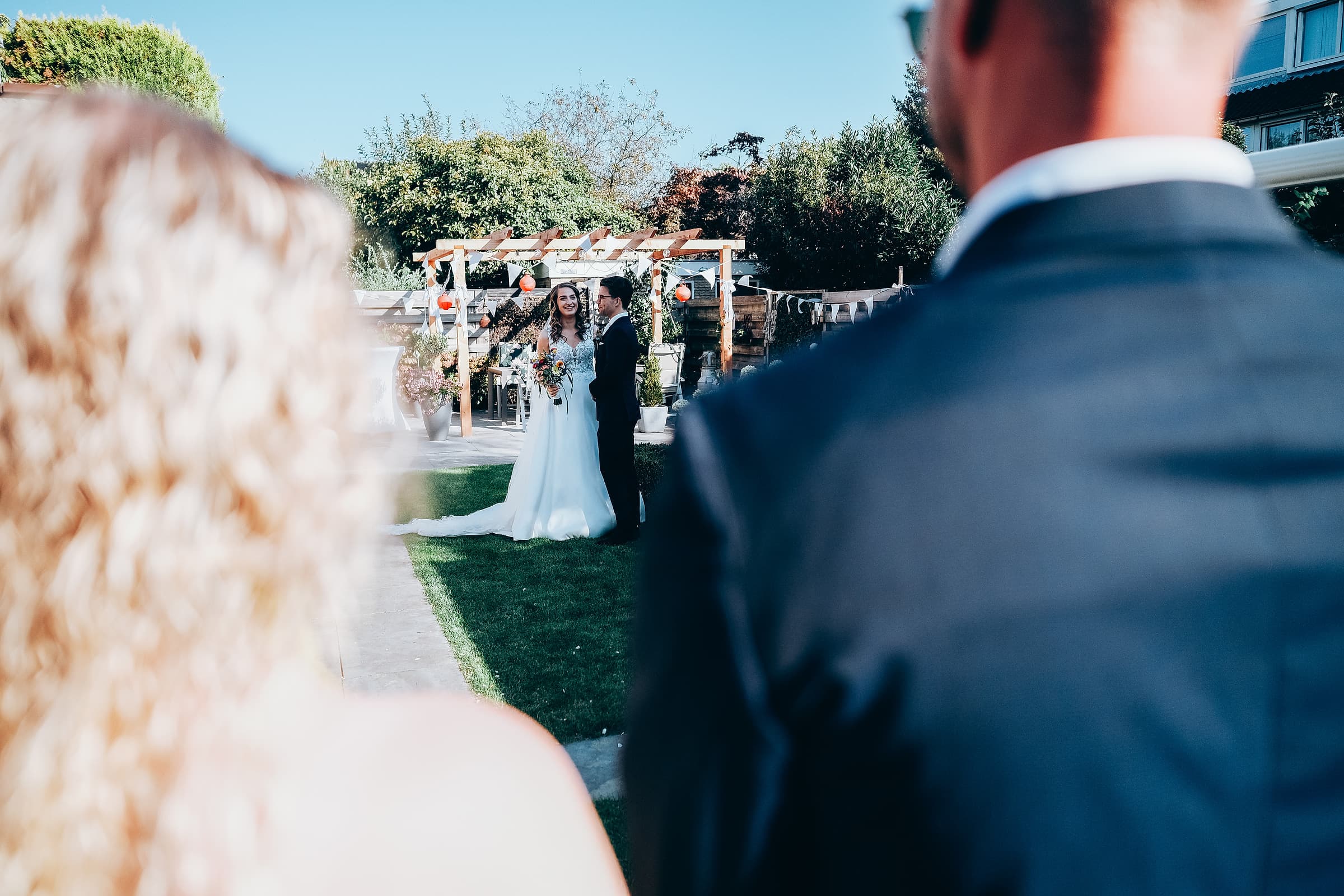
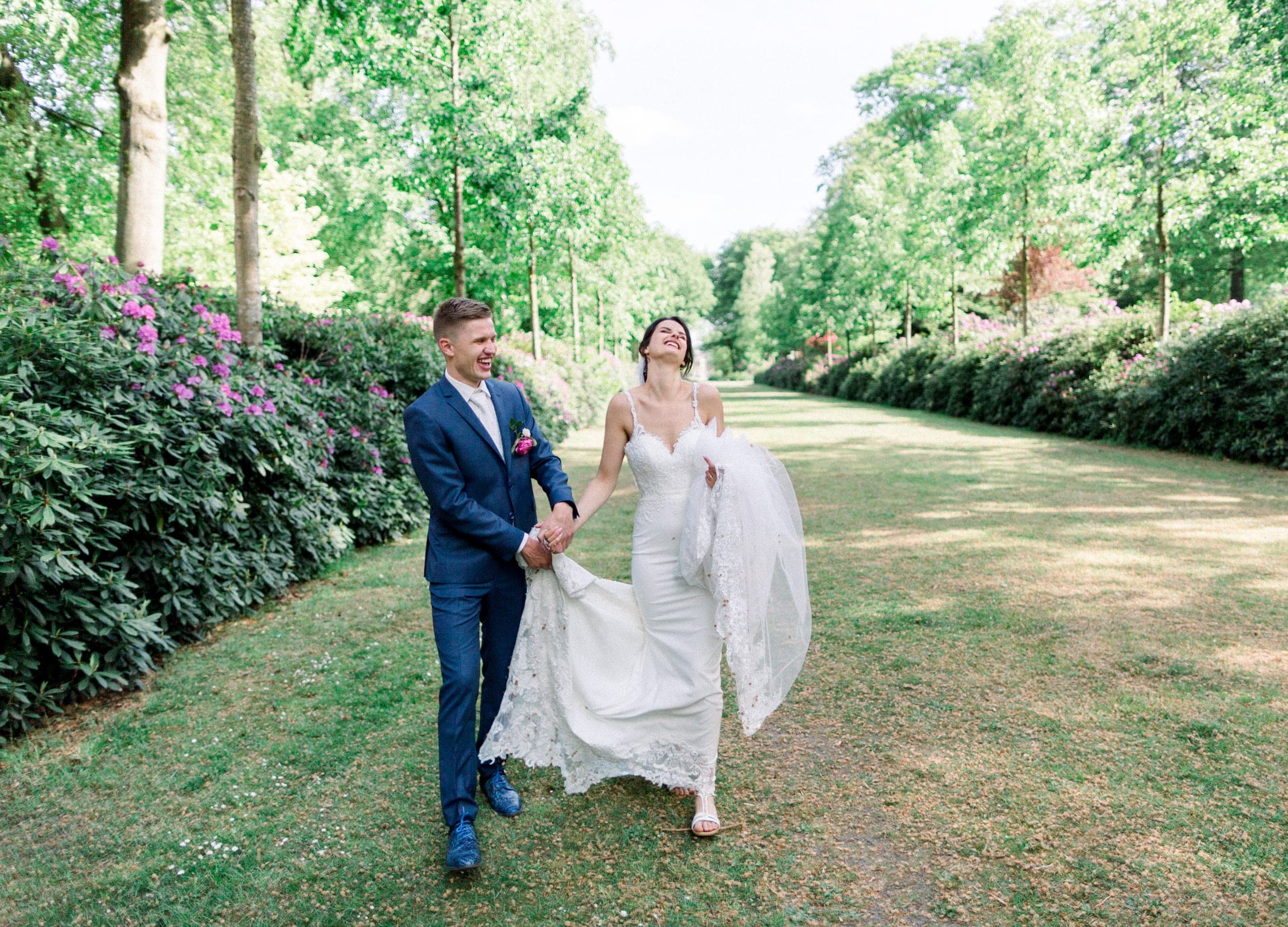
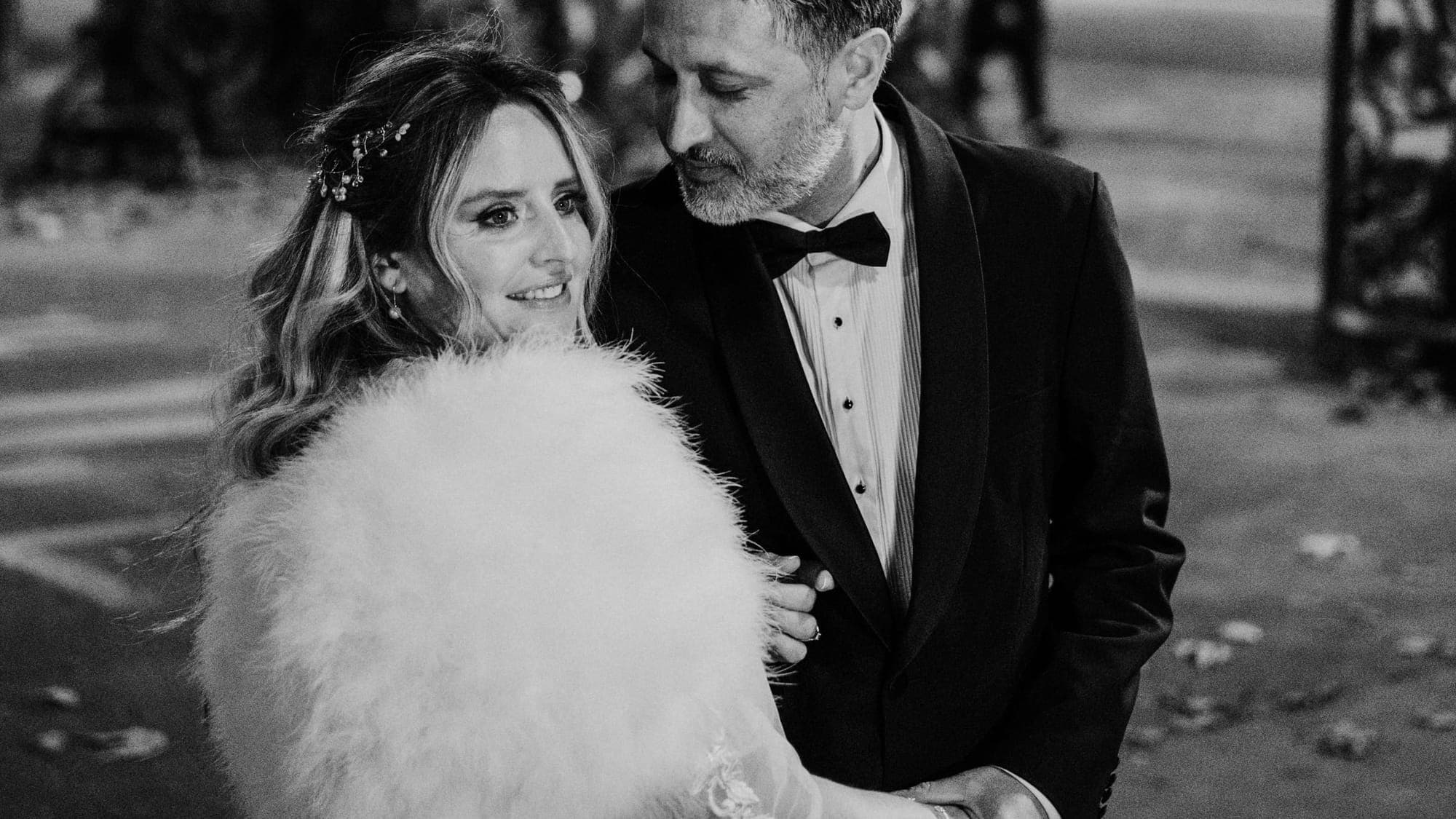
The same information holds up far better as a small, linkable page built around your own photos rather than a document. A few of your best portfolio images with one short answer between each one does the job a wall of text never quite manages, and it looks like your work from the first scroll.
- Open with a handful of images that set the tone, the same kind of shots the couple is booking you for. This does double duty as a taste of what their own gallery will eventually feel like.
- Answer one question per short section, timeline, what to expect, what you need from them, rather than one long paragraph trying to cover everything at once.
- End on the one action you actually need right now, whether that is the final details form or a date to lock in the engagement session, so the guide closes with something to do, not just something to read.
- Send the same link at each milestone, updating it as the wedding gets closer, instead of a new document every time something changes. One link the couple already knows how to find beats a fresh attachment every few weeks.

Send a welcome guide, not a chain of emails
Build it once with your own photos and a few short answers, then send one link that updates as the wedding gets closer. Your first story is free.
The part that pays you back later
A couple who felt organized and looked after from the first week is a couple who trusts your judgment on the wedding day, books the album without much convincing, and writes a review that mentions how easy the whole process was, not just how the photos turned out. How to build a wedding day timeline that actually works covers the next document most couples need, and how to get 5-star wedding photography reviews without the awkward ask picks up exactly where a smooth client experience leaves off. If a signed contract is still the first thing a new client sees, wedding photography contract essentials is worth pairing this with.
The questions were never going away. What changes is whether you answer each one individually, all season, or once, well, in a place the couple actually wants to reopen.