Boudoir Photo Delivery: Privacy That Wins Referrals
In boudoir, how you deliver the photos matters as much as how you shoot them. Here is a practical privacy setup, a consent conversation that works, and a delivery that gets talked about.
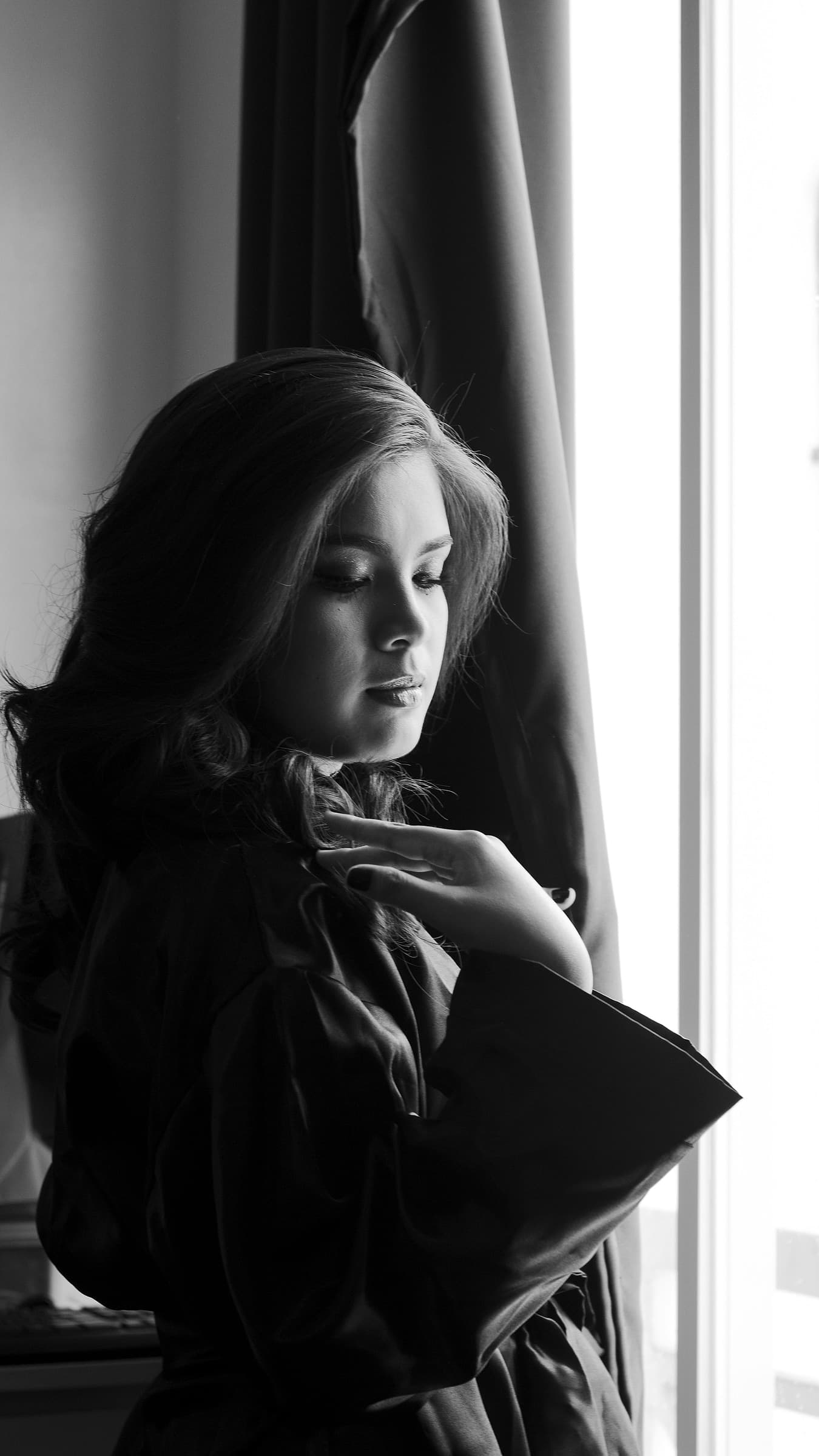
Boudoir is the one genre where the delivery is part of the product. A client books you because they trust you with something they would not hand to just anyone, and that trust either survives the moment they get their photos or it does not.
When it goes well, they show the link to their closest friends, which is how almost every boudoir studio actually grows. When it goes badly, a nervous client quietly downloads four images and never mentions you again.
Here is how to build the delivery side of a boudoir business so privacy is obvious, not something a client has to ask about.
Decide what "private" actually means before you promise it
Most photographers use the word private in their inquiry emails without ever defining it. Clients notice. Write down what you actually do, and make sure your gallery can back up every line of it.
A real privacy setup answers six questions:
- Who can open the link? A gallery sitting on a guessable URL is not private. A gallery behind a password your client picks is.
- Can search engines find it? Their name and their photos should never turn up in a Google result. Check that your delivery platform marks client pages as not indexable, then check it yourself by searching their name in quotes a week after delivery.
- How long does it stay online? Boudoir galleries should have an end date. Set one, say the date out loud, and offer to extend it on request.
- Who can download the files? Gating downloads behind a separate PIN is worth the friction here. It means a forwarded link cannot quietly become a folder of full resolution files on somebody else's laptop.
- What happens to your copies? Say where the raw files live, how long you keep them, and what you do when a client asks you to delete them.
- What are you allowed to show? This is the big one, and it deserves its own conversation below.
Make the consent conversation specific
"Can I share some of these?" asked at the end of a shoot puts a half dressed client on the spot, and most people will say yes and then regret it. Ask in writing, ask in advance, and break it into levels somebody can actually choose between.
- Level 0: nothing, anywhere. Not your website, not a private group, not the printed portfolio you show in consultations.
- Level 1: face not visible. Silhouettes, cropped frames, backs, hands. Plenty of clients who say no to everything will happily say yes to this.
- Level 2: face visible, no name, no tags. Website and portfolio only.
- Level 3: anything, including social with a tag. Rare, and worth a discount if you want to offer one.
Two rules make this hold up. Let clients choose per image rather than per shoot, once they have actually seen the gallery, and treat silence as level 0. Your contract should carry the same language, because a usage agreement that lives only in a text thread is not one you want to rely on.
The practical payoff is that you end up with a clearly permissioned set of images you can market with, instead of a hard drive full of work you are half afraid to post.
Deliver a sequence, not a folder of 300
The most common boudoir delivery is a grid of every usable frame, sorted by timestamp. It is the wrong shape for this genre for two reasons.
First, a grid asks somebody who is already nervous to evaluate themselves 300 times in a row. They will find the four frames they dislike and stop scrolling. Second, boudoir sessions have an arc built into them already: the robe by the window, the getting ready detail, the confident frames near the end. That arc is the thing they paid for, and a grid flattens it.
Deliver the session as a scroll, in the order you would tell it out loud:
- Open on a detail, not a full body frame. Hands, fabric, light on a shoulder. It lets the viewer arrive gently.
- Move in. Two or three frames of context, then the portraits you are proudest of.
- Give the best frame room. One image, full width, nothing beside it competing.
- End quiet. A soft, closed frame, so the last thing they feel is calm.
Thirty to fifty photos in a considered order will outperform three hundred in a grid every time. The sequencing guide covers the mechanics, and it applies here almost unchanged.

A private link they are proud to open
Build the session into a scroll through story on your own link, put a password on it, set an expiry date, and keep downloads behind their own PIN. Your client opens a piece of work, not a file dump.
Turn one session into a business, not a one off
Boudoir clients are usually shooting for a reason: a wedding, a birthday, a divorce, a year of hard work on themselves. That reason hands you an obvious next step, and almost nobody uses it.
- Sell one physical product, well. A small linen box of prints or a single discreet album beats a menu of twelve options. Have it on the table at the reveal. Print sales are where the margin lives, and the album upsell guide translates directly.
- Let them pick the images. A short list of "choose your twelve for the album" is far less pressure than a sales call, and it gets you a decision in days instead of months. There is a full walkthrough in how to get clients to choose album photos.
- Ask for the review the week the gallery lands. That is the peak. Give them a template they can adapt, and say that a first name and a city is plenty if they would rather stay anonymous. The reviews guide has the ask.
- Book the next one before they leave. An anniversary session, a pre wedding session, a "one year from now" session. A good share of boudoir clients come back when you invite them, and almost none come back when you never ask.
- Make referrals easy to send. Nobody is forwarding a whole boudoir gallery to a friend. They will forward a link holding the two cleared images they love, plus your booking page. Ask which two, then build them that link.
Say the privacy part out loud in your marketing
Every boudoir photographer in your city has "safe space" and "empowering" on their about page. Those phrases have been used so often that a reader goes straight past them. Specific details still land.
Put a short privacy section on your site that says exactly what happens: the gallery is password protected, it is not indexed by search engines, downloads need a second PIN, the link expires on a date the client picks, nothing is ever posted without written permission per image, and everything can be deleted on request at any time.
That paragraph will out convert three paragraphs of adjectives, because it answers the thing people are actually worried about. It is also good SEO: far more people search for "private boudoir photographer" and "discreet boudoir photos" than for "empowering".
What to change before your next session
Boudoir clients are buying two things at once: the photographs, and the feeling of being in safe hands from the first email to the day the gallery expires. Most photographers put all of their improvement effort into the shoot, then hand the result over in a way that quietly undoes some of it.
Set a password and an expiry on your next gallery. Write your consent levels into a form the client fills in themselves. Cut the delivery from three hundred frames to fifty in a deliberate order. Put one product on the table at the reveal. Four changes, none of which cost anything, all of which show up in next year's bookings.