South Asian Wedding Photography: A Business Guide
Three days, several hundred guests, and family on three continents waiting for photos. Here is how to price, staff, shoot, and deliver a South Asian wedding without losing money on it.
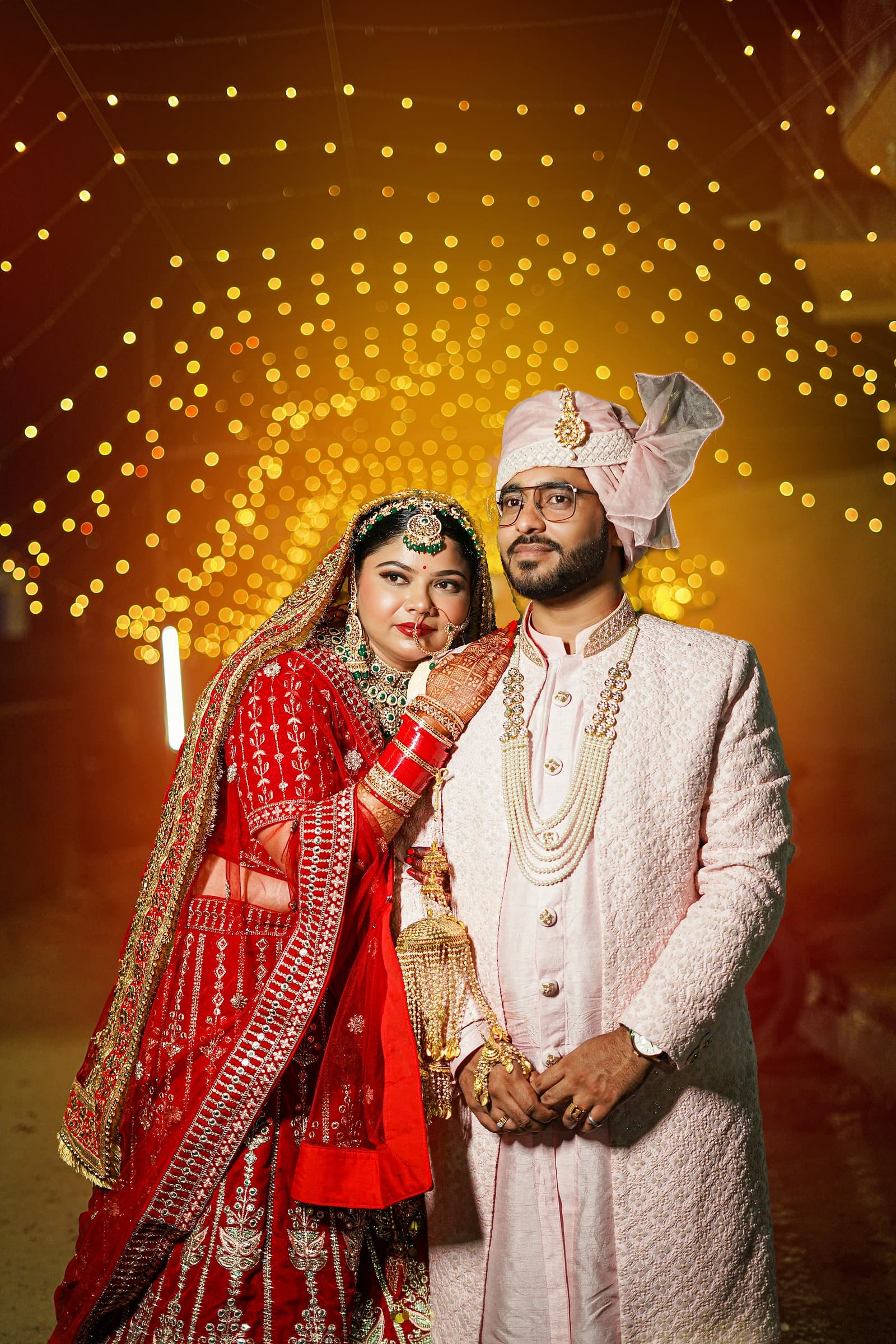
A South Asian wedding is not a longer version of the wedding you usually shoot. It is three to five separate events, often in different venues, with several hundred guests, families who have flown in from three continents, and a set of rituals where missing one moment is not a small mistake.
It is also some of the most photogenic work in this industry, and it pays well when you price and staff it properly. Most photographers who lose money on their first one lose it in the same three places: the quote, the team, and the delivery.
Price the event, not the day
The single most common mistake is quoting a multi day wedding as a day rate multiplied by the number of days. That undercounts almost everything that makes the job hard.
Build the quote from what the event actually needs:
- Count the events. Mehndi, haldi, sangeet, the ceremony, and the reception are five shoots. Two of them may fall on the same calendar day and still need separate coverage, separate lighting, and separate travel.
- Count the hours honestly. A ceremony day frequently runs from a 5am baraat preparation to a 1am reception exit. That is a sixteen hour day, and it needs a rotating team rather than one photographer with a very long lens and very sore feet.
- Count the frames. Five events at this scale produces somewhere between 6,000 and 15,000 frames. Culling and editing is usually the largest single cost in the job, and it is the one photographers forget to price. Work from your real culling speed, not from an optimistic one.
- Put second shooters in the quote as their own line. Two minimum for the ceremony, three for a large baraat and reception. Pay them properly and quote it through.
- Price the delivery. Sneak peeks after each event are effectively expected in this market. That is real editing work happening at midnight between shooting days, and it belongs in the number.
Know what each event demands
You do not need to be an expert in every tradition, and pretending to be is worse than asking. But turning up without knowing the shape of the day means photographing the back of somebody's head at the moment that matters.
The events below are the ones you will meet most often at Hindu and Punjabi weddings. A Sikh Anand Karaj, a Muslim nikah and walima, and a Sri Lankan Poruwa ceremony each run differently, so ask the family which events they are holding and in what order before you quote anything.
- Mehndi. Detailed, close, warm, usually indoors and often badly lit. Bring a fast prime and be ready to work at close range. The hands are the story.
- Haldi. Bright, chaotic, colourful, and messy. Turmeric gets on everything, including your camera. Bring a body you do not mind cleaning, a rain cover, and shoot wide enough to hold the whole crowd throwing it.
- Sangeet. Performances, choreography, low light, stage lighting that will fight your white balance. Ask for the running order in advance and know which performance is the couple's family so you are in the right position for it.
- Baraat. The groom's procession, outdoors, loud, moving, often with a horse or a drum line. Shoot from in front and keep walking backwards. This is where a second shooter earns their fee, covering the family waiting at the other end.
- The ceremony. Long, sometimes two hours or more, with specific ritual moments the family expects to see: at a Hindu wedding that is usually the garland exchange, the mangalsutra, and the seven steps. Ask the officiant before it starts which moments are coming and roughly when. They will tell you, and it is the most useful five minutes of your day.
- The reception. Formal portraits, a receiving line that can run for two hours, speeches, and dancing. Plan your battery and card changes around the receiving line, because you cannot leave it.
Ask the couple one question at the planning meeting: which three moments would your parents be upset not to see. The answer is different at every wedding and it tells you where to stand.
Staff it like a production
One photographer cannot cover a wedding of this size, and trying to is how people burn out of this niche after two seasons.
- Assign zones before the ceremony starts. One on the couple, one on the parents and the ritual details, one wide on the room. Agree it out loud before anyone sits down. The second shooter guide covers how to brief a team so you are not duplicating frames.
- One person owns the cards. Every card comes back to one bag, gets offloaded to two drives at the end of each event, and never goes back into a camera until both copies are verified. Across five events this is the difference between a wedding and a lawsuit. Set it up with a real backup system.
- Rotate meals and breaks deliberately. On a sixteen hour day, somebody eating is somebody still shooting well at 11pm.
- Have a written contingency. Monsoon season, a venue that changes the baraat route, a delayed flight for a family member. Write the plan down in advance, the way you would for any backup plan.
Send each event out the night it happens
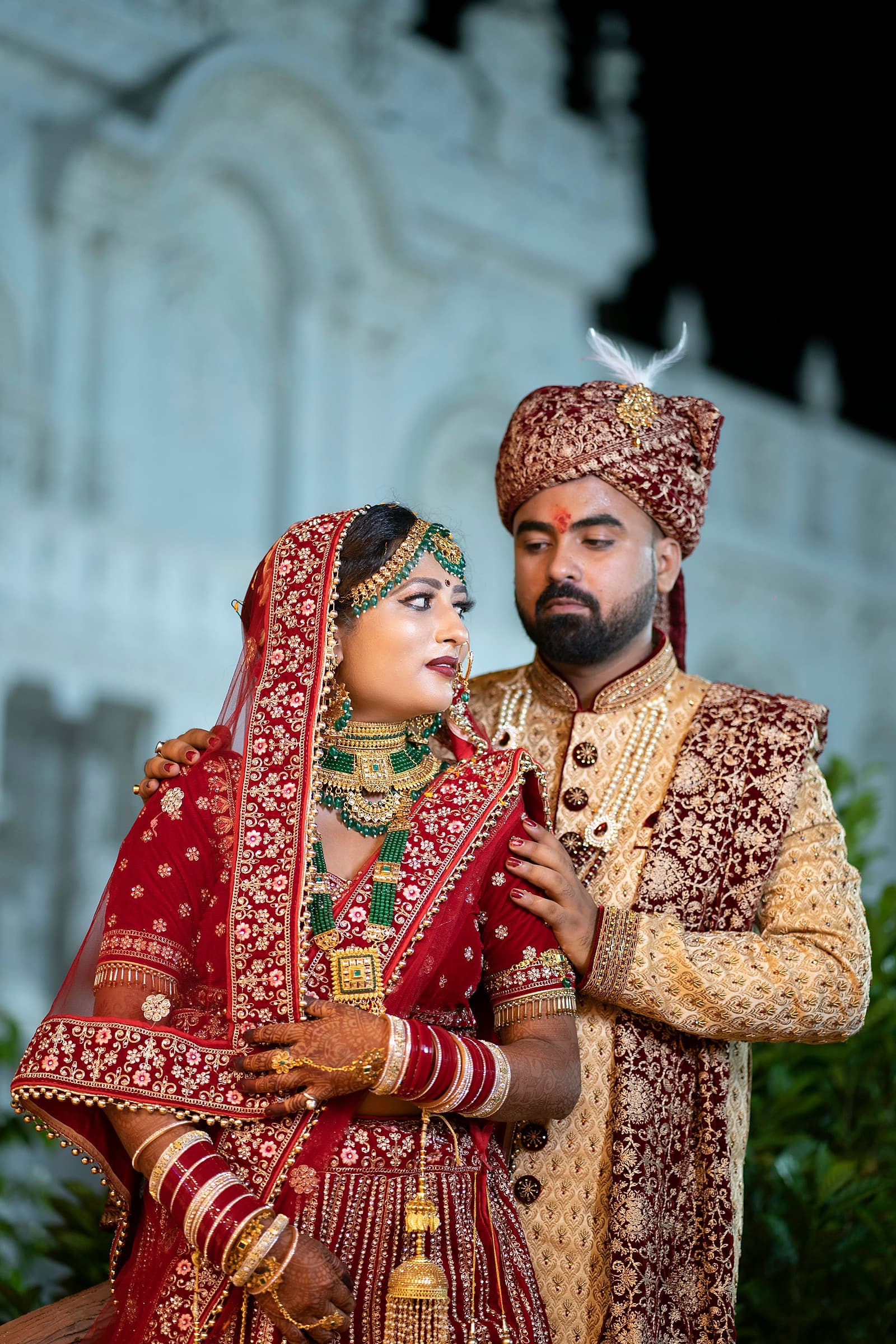
Publish a short scroll through story after every event, on one link that keeps growing. Family in Delhi, London, and Toronto open it on their phones the same evening, and every one of them sees your name.
Deliver at the speed the family expects
This is where the business case gets interesting, and where photographers coming from a western wedding background tend to underestimate the market.
At a South Asian wedding the audience for the photos runs to several hundred guests plus every relative who could not travel, and most of them are waiting that same night. A photographer who understands that is worth substantially more than one who delivers a folder in eight weeks.
Three things to build into your workflow:
- A sneak peek after every event, not just the wedding. Fifteen to twenty five frames, edited on the drive home or over breakfast, sent as a link. It costs you an hour and it is the most effective marketing you will do all year, because it lands in front of hundreds of guests while they are still talking about the wedding.
- One link that grows. Rather than five separate galleries, deliver one story per event under one wedding, so the family sends a single link and everything lives together. The full argument for this is in multi day wedding story delivery.
- Assume phones and assume slow connections. A grandmother in a village on a patchy connection is a real user of your gallery. If your delivery loads thousands of full resolution files, she gives up and the family concludes the photos never arrived. Serving properly sized images decides whether the work gets seen at all. The loading speed guide explains what to check.
Short video clips help more in this niche than almost any other, because so much of these events is movement and sound: the drums at the baraat, a choreographed sangeet number, the moment the garlands go on. A few clips mixed into the photo story cost you nothing extra to capture and change how the whole delivery feels. There is a practical guide in video clips in a wedding gallery.
Market to the community, not to the algorithm
South Asian weddings are booked overwhelmingly on recommendation, and the recommendation usually comes from a vendor or a relative rather than an Instagram ad.
- Build relationships with the planners and decorators who work these weddings in your city. They book years ahead and they refer constantly. The vendor referral guide is the playbook.
- Show complete weddings. A family evaluating you wants to see that you covered the mehndi properly, not five hero frames. A complete story from one wedding is worth more than fifty single images.
- Name the events on your website. People search "Punjabi wedding photographer Manchester" and "Tamil wedding photographer near me". If your site only says "wedding photographer", you are invisible for the searches that matter. The SEO guide covers how to structure those pages.
- Show the sneak peek turnaround as a feature. "Photos from every event the next morning" is a concrete promise, and it is the one families repeat to each other.
What to do differently on your next one
Quote per event and show the breakdown. Staff for a sixteen hour ceremony day rather than hoping. Ask the officiant and the couple what is coming and when. Send something out after every event while the wedding is still happening. Put it all on one link that loads on a phone in a village with two bars of signal.
Do that, and the wedding you were nervous about becomes the one that books your next three.