Family Mini Sessions That Actually Make Money
Mini sessions can be the best day of your year or an exhausting break even. Here is how to price them, schedule them, shoot them, and deliver them so the day pays properly.
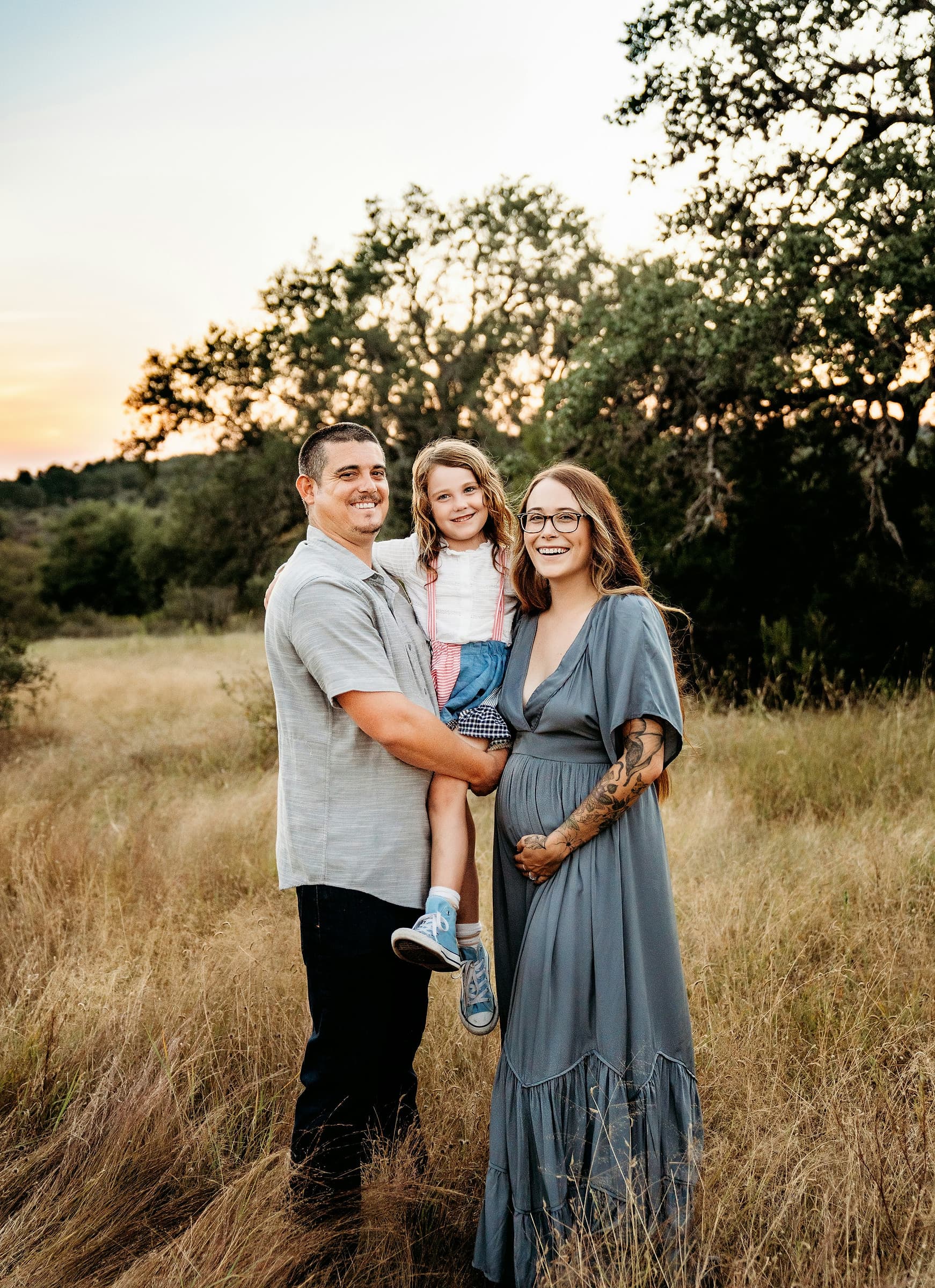
Mini sessions look like easy money. Ten families, twenty minutes each, one location, one afternoon. Then the day arrives, two families turn up late, the light goes an hour earlier than you planned, and you spend the next three weeks editing 900 photos for a fee that made sense when you wrote it down in March.
The idea is sound. Most photographers just price and schedule it as if the only cost were the twenty minutes at the camera. Here is the version that pays.
Do the maths before you pick a price
Take your planned day and write down every hour it will actually take.
- On location: slots plus buffers plus setup and pack down.
- Culling and editing: be honest. Twenty minutes of shooting at a normal frame rate is 150 to 250 frames per family.
- Admin: booking emails, reminders, wardrobe questions, the reschedule, the delivery, the follow up.
A ten family day at twenty minutes is rarely a four hour day. It is closer to eighteen hours once editing and admin are in. If you are charging 250 per slot, that day grosses 2500 and pays you about 140 an hour before costs. If you are charging 150, it pays 83, and you have just spent your only free weekend in October earning less than your assistant.
Three levers fix this, and you can pull all three:
- Raise the slot price and cut the slot count. Six families at 395 grosses almost the same as ten at 250, takes about four fewer hours, and produces better photos because you are not exhausted by slot seven.
- Cap the delivered images and mean it. Ten edited photos per family, chosen by you. Culling is where the day quietly eats your margin, so use a faster culling workflow and stop at ten.
- Sell the extras, do not include them. The full set as an add on, prints, a card design. Most of your profit on a mini session day comes after the shoot, not from the slot fee. The same logic that makes packages sell applies at this scale too.
Build a day that runs itself
Almost every bad mini session day is a scheduling problem, not a photography problem.
- One location, one light direction. Scout it at the exact hour you will shoot, not at lunchtime. You want a spot where the sun sets behind your subjects and a backup ten steps away for when the good patch fills with dog walkers.
- Twenty on, ten off. A ten minute buffer between slots absorbs the late family without collapsing the rest of the day. Nine families with buffers finishes on time; ten without them finishes in the dark.
- Schedule the day to end at sunset. Begin about two hours before, and run into golden hour, so the last two slots get the best light instead of no light. The golden hour guide has the timing detail.
- Send one email that answers everything. Where to park, exactly where to meet (a pin, not a description), what to wear, what happens if it rains, what time to arrive, and that being ten minutes late means a fifteen minute session. A clear welcome email removes most of the day's chaos before it starts.
- Take payment at booking. No exceptions. It ends no shows, and it lets you fill a cancelled slot from a waitlist without an awkward conversation.
Twenty minutes at the camera
You do not have time to warm anyone up, so build the warm up into the shooting.
A running order that reliably produces a full set:
- Minutes 0 to 3: the whole family, standing, close. Get the safe frame first. The one they will print is often shot before anyone has relaxed, and it means you are never chasing it at minute nineteen.
- Minutes 3 to 8: movement. Walk toward me, walk away, swing the youngest, all whisper the silliest word you know. Movement is what fixes a stiff family, and it is the only reliable way to get real expressions from small children.
- Minutes 8 to 13: pairs. Parents alone, each parent with each child, siblings together. These are the frames grandparents buy.
- Minutes 13 to 17: the kids alone. Individual portraits, one per child, same spot so the set matches on a wall.
- Minutes 17 to 20: one more of everyone, then stop. End slightly early and nobody feels processed.
Shoot the same set at the same spots every slot. Consistency is what turns twenty minutes into a deliverable and what makes editing ten families take one evening instead of one week.
Deliver the whole day in one afternoon
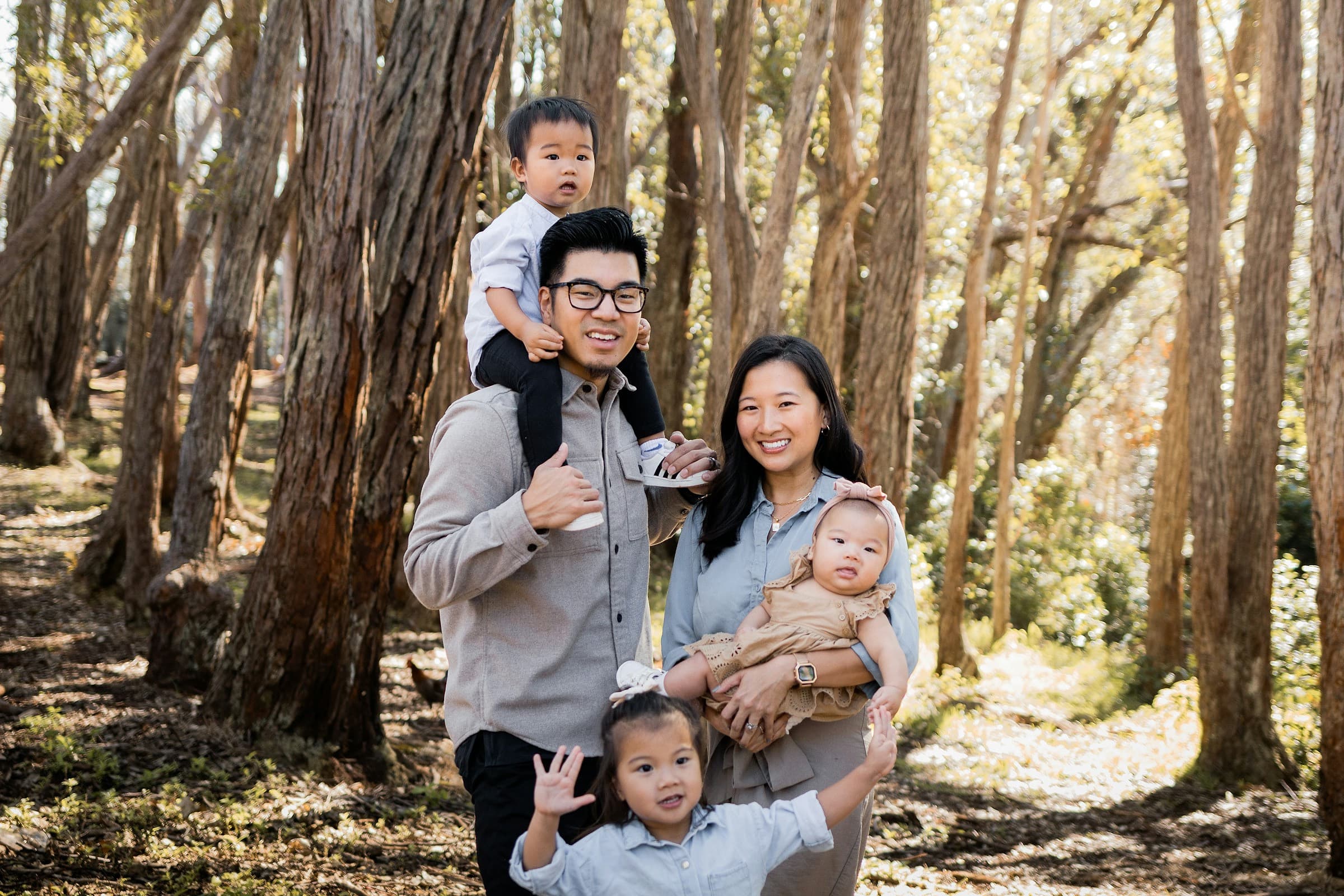
Give every family a short scroll through story on its own link instead of a zip file. They forward it to grandparents the same night, and every person who opens it sees your name.
Deliver in 48 hours and let the gallery sell
Speed is a competitive advantage in family work and almost nobody uses it. A family who booked a mini session for their Christmas card is genuinely on a deadline, and the photographer who delivers on Monday gets the print order that the photographer delivering in three weeks does not.
Two things make fast delivery pay:
- Send a story, not a folder. Ten photos in an order that reads like the afternoon, on a link that works on a phone. Parents forward links, and a grandparent in another country will never successfully open a zip file.
- Let them pick the prints themselves. Instead of a sales call, send a short list: choose your five for the card, choose your three to print. It gets a decision in days, and it turns "we will think about it" into an order. There is a full walkthrough in how to get clients to choose album photos.
If your gallery is slow on a phone, none of this works, because the family opens it on the school run and gives up. The gallery loading speed guide covers why that happens and what fixes it.
Turn one day into next year's calendar
A mini session day is worth far more than the slot fees, because you have just met six families who now know exactly what working with you feels like.
- Offer the full session at the reveal. "This was twenty minutes. A full session is ninety, and you get the golden hour to yourselves." A meaningful share of mini clients upgrade within a year if you ask while they are looking at their photos.
- Put next year's date in the email. Announce the next round to this year's list first, a week before anyone else sees it. Your mini session list is the most valuable marketing asset you own.
- Ask for one referral, specifically. Not "tell your friends". Try "if you know one other family who needs a card photo, forward them your gallery link".
- Post the work while it is warm. A set a week through the season keeps you visible right when other families start searching. Reuse the ideas in the social content guide.
What to change on your next mini session day
Mini sessions reward planning more than any other kind of shoot, because everything you fail to decide in advance gets decided badly at 4pm with a toddler crying.
Price the day rather than the slot, put a ten minute buffer between families, cap the delivery at ten photos in a deliberate order, get it out within 48 hours on a link that works on a phone, and ask every family one clear question about what comes next. The same day's work, with a considerably better number at the end of it.