Quinceañera Photography: Timeline, Pricing, Delivery
How to photograph a quinceañera and charge properly for it: the three shoots inside one booking, a timeline that holds, and the moments families look for.
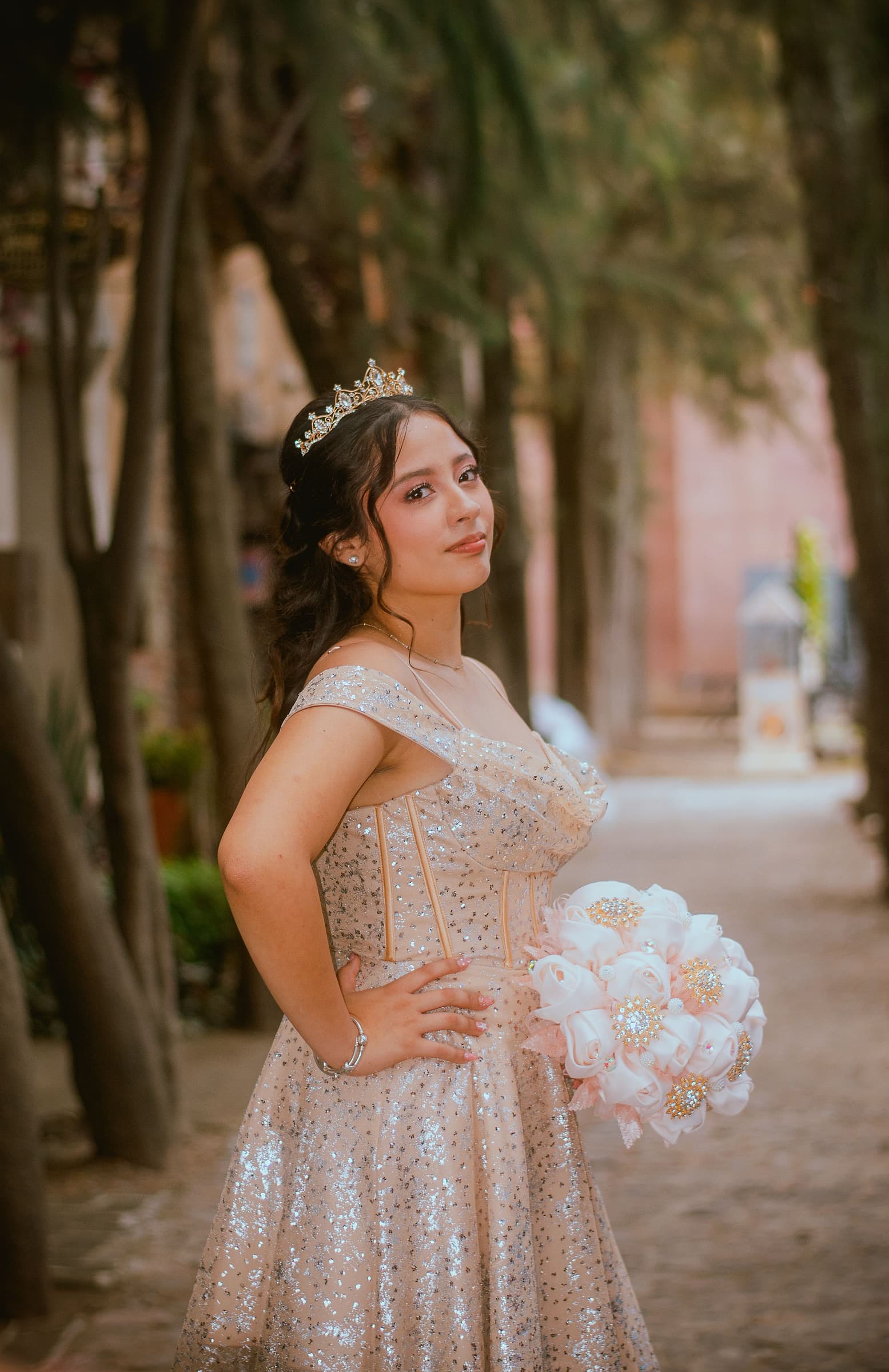
A quinceañera is a wedding sized day that most photographers quote like a portrait session. There is a mass, a formal portrait session, a grand entrance, a choreographed waltz, a full dinner, speeches, and a party that runs past midnight. Twelve hours of work, three changes of location, and a family who will look at these photos for the next fifty years.
Photographers who price it as an afternoon lose money and burn out. Photographers who understand the day sell three separate pieces of work to the same family and become the studio every cousin books.
Sell the three shoots inside one booking
Almost every quince contains three distinct jobs. Quote them as one package and you have hidden two thirds of the value.
- The portrait session, weeks before. The gown, the tiara, a location the family chooses, often two outfits. This is where the images for the invitations, the entrance video, and the reception display come from. It is also the session that sells the biggest prints.
- The church, on the day. The thanksgiving mass with the padrinos, the blessing, the family photographs on the steps afterwards. Quiet, formal, and heavily photographed by relatives, so you need to be decisive about your position.
- The reception, into the night. The entrance, the vals, the changing of the shoes, the toast, the surprise dance, and four hours of dancing.
Offer them as tiers. Portrait session only, portrait plus church, or the full day. Families who cannot afford the whole day will still book the portrait session, and a good portrait session sold in March very often becomes a full day booked in June. The tier structure in packages that sell transfers directly.
A timeline that holds when the day slides
Quinces run late. Build in the slack rather than pretending they will not, and put the version below in front of the family two weeks before, exactly as you would for a wedding day timeline.
- Two hours before the mass: hair and makeup, the dress on its hanger, the shoes, the tiara, the mother helping with the zip. Shoot the details while the room is still calm.
- 45 minutes before: the reveal to the parents. Clear the room of everyone else, because this is one take and it is usually the best frame of the morning.
- The mass: arrive early, agree your positions with the priest, and shoot from the side aisles. Long lens, no flash, and stay out of the aisle when the court processes in.
- After the mass: family groups on the steps. Have a written list. Twenty minutes maximum, because everyone is hungry and the venue is waiting.
- Golden hour, before the reception: 30 minutes of portraits with the court, then 15 minutes with the quinceañera alone. Protect this window in writing.
- The entrance and the vals: the choreographed waltz with the court and the father. Know the choreography beforehand and pick your corner. You cannot reposition mid dance without appearing in everyone's video.
- The rituals: the changing of the shoes, the last doll, the toast, the fifteen candles. Ask the family which ones they are doing, in what order.
- The surprise dance: the modern routine the teenagers have rehearsed in secret for months. Shoot it like a performance, wide first, then faces.
- The rest of the night: dance floor, grandparents at the tables, the cake, and the last frame before you leave.
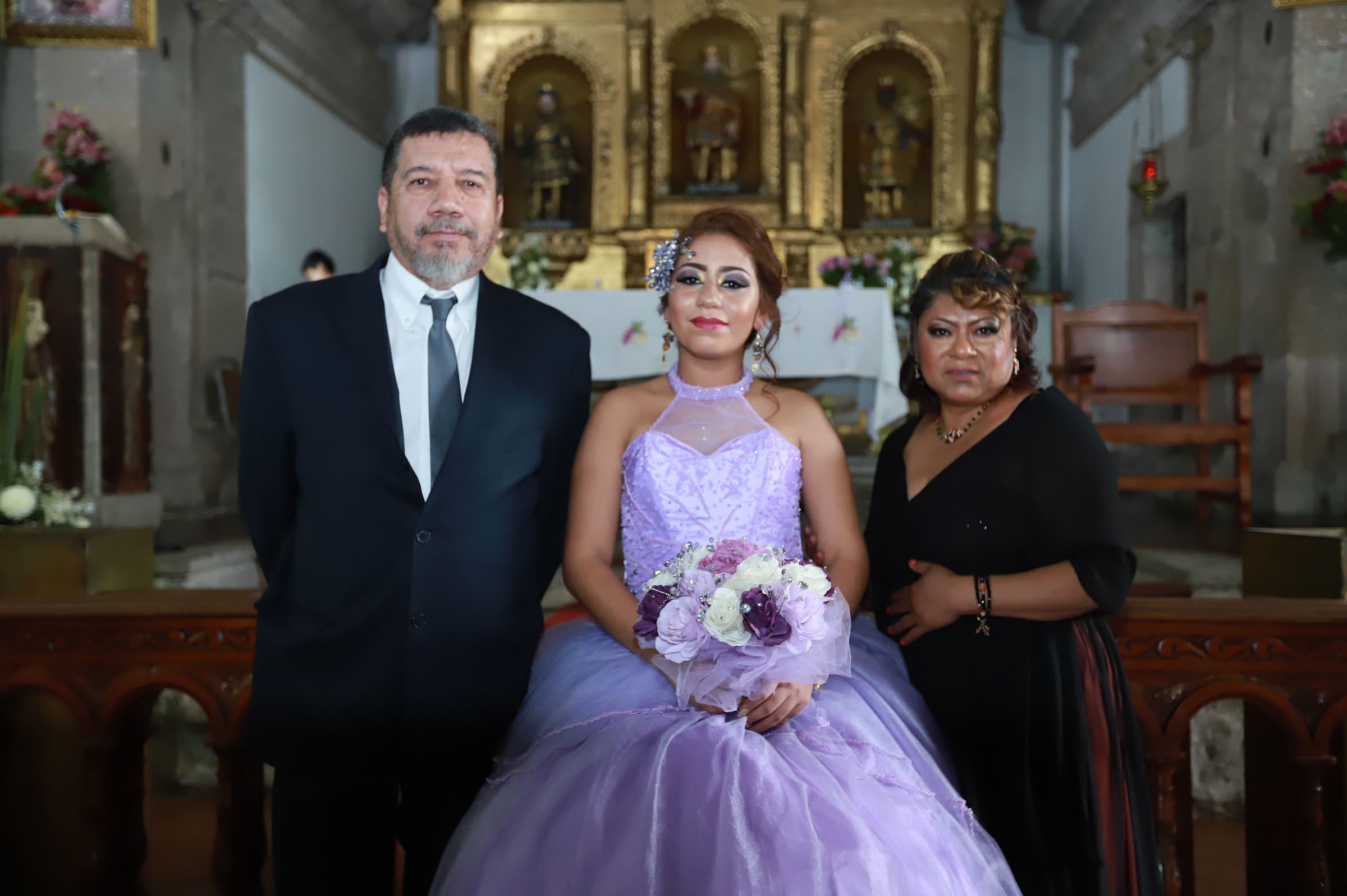
The moments the family will look for first
When the gallery opens, the family scrolls looking for a specific set of photographs. Miss one and the whole set feels incomplete, however beautiful the rest is.
- The reveal, when the parents see the gown for the first time.
- The entrance to the reception, from the front, with the room in the frame.
- The father daughter waltz, and specifically his face rather than hers.
- The changing of the shoes, low, at the level of the hands.
- The last doll, passed to a younger sister or cousin.
- The court, together and formal, then together and laughing.
- The toast, and the grandparents listening to it.
- The surprise dance, wide enough to show the choreography.
- Her, alone, in the gown, in good light, looking straight down the lens. This is the frame that gets printed and hung in the hallway.
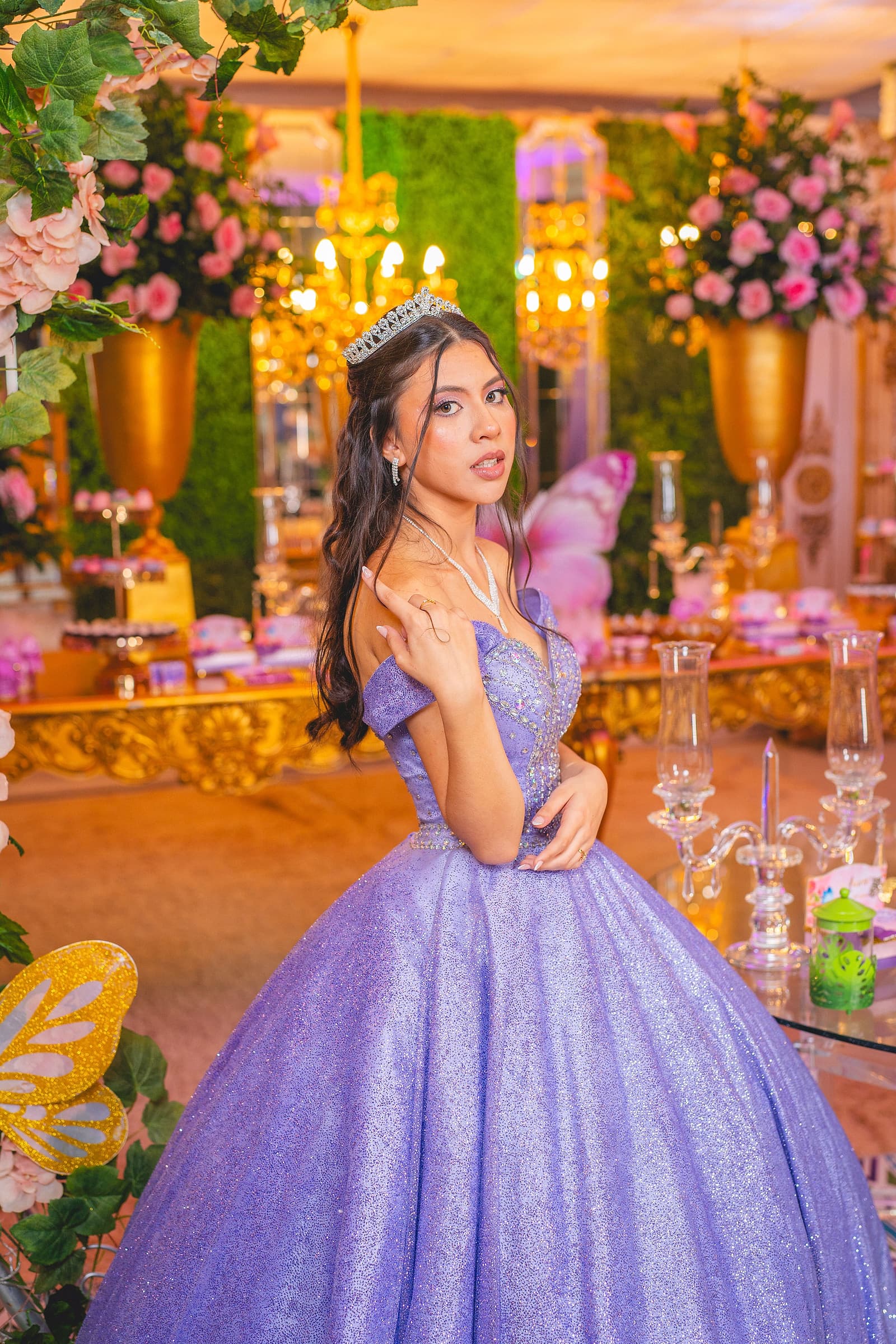
Price it like the day it is
A full quince is a twelve hour booking with two photographers, and it should be priced within range of a wedding in your market rather than at portrait session rates. Work it out honestly:
- The pre shoot: two to three hours, plus travel and a wardrobe change.
- The day: twelve hours, two shooters, one of whom stays for the dancing.
- Editing: 800 to 1,200 delivered frames across two sessions.
- The products: an album is close to universal in this market, and parents buy large prints of the formal portrait.
Three things that genuinely sell:
- The parents album, sold at the same time as the main one, at a lower price. Grandparents buy copies too.
- A framed portrait from the pre shoot, delivered before the party so it can stand at the entrance. It also advertises you to every guest who walks past it.
- A second shooter, priced as an upgrade with a clear reason: one camera cannot cover the waltz and the parents' faces at the same time.
Deliver so the whole family sees it, including the ones abroad
Quince guest lists cross borders. Aunts, cousins, and godparents who could not travel are waiting for these photographs, and they will be looking on a phone over a slow connection.
- Send five photos within 48 hours. The family will post something that week whatever you do. Better that it is your work.
- Deliver in the order the day happened, so somebody who was not there can follow it. A grid sorted by filename asks the viewer to reconstruct the evening themselves.
- Put a password on it if the family wants one. Some families share the link with two hundred people, and some want it kept close. Ask rather than assume, and see the guest photo privacy guide.
- Make the link fast on a phone. This matters more here than almost anywhere, because a large share of the audience is on mobile data. The gallery speed guide covers what actually slows a gallery down.
Give the family one link that tells the whole night
Lay the day out as a scroll that starts with the gown and ends on the dance floor, with the waltz playing as a clip in the middle. One link, sent to everyone who could not fly in, that works on a phone and shows your name at the end.
One quince books the next
This is the most referral driven work in photography, and most photographers do nothing to help it along.
- Photograph the court properly. A dozen or more teenagers and their parents watched you work all day. Several of those families have a quince of their own coming within two years.
- Ask the family for the venue's contact. Quince venues, DJs, and choreographers book the same weekends every year. Build the relationships the way the vendor referral network guide describes.
- Offer the sibling discount out loud, at delivery. Younger sisters are the most predictable booking in the calendar.
- Write for the search that families actually do. Quince timelines, what the padrinos pay for, how long the mass takes, what to look for in a photographer. Almost nobody in this market publishes useful pages, which is exactly the gap the SEO guide is about.
- Ask for the review in the week you deliver, while the night is fresh. Timing and wording are in the reviews guide.
The short version
Treat a quinceañera as the full day it is. Sell the portrait session, the mass, and the reception as three pieces of work, hold a timeline that expects to slide, and know the rituals well enough to be in the right corner before they start.
Then deliver quickly, in order, on a link that works for the relatives who watched from another country. The court alone is a decade of future bookings, and they were all watching how you worked.