Birth Photography: On-Call Work That Actually Pays
How birth photography works as a business: pricing the on-call window, sorting hospital access, shooting in the dark, and delivering the story privately.
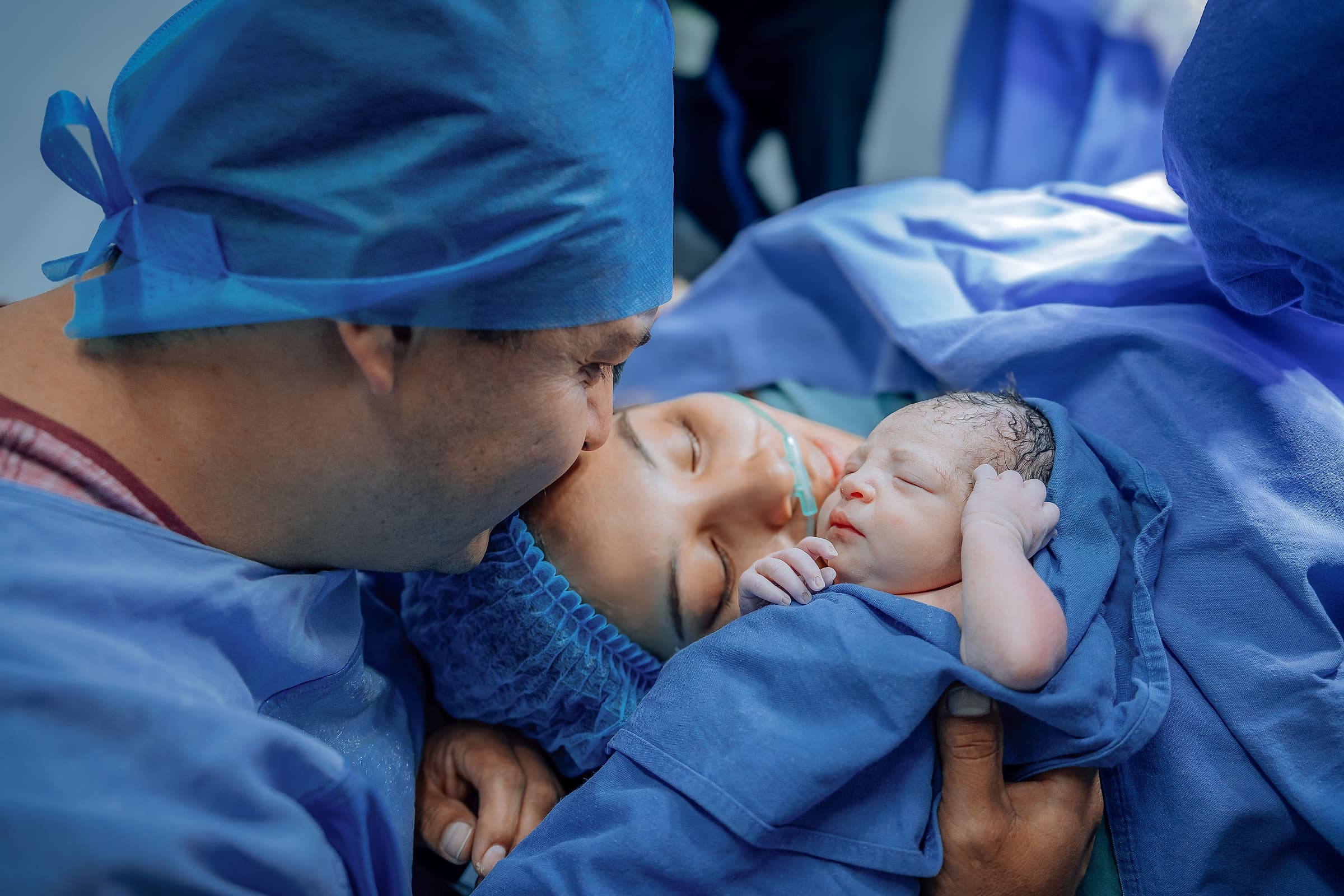
Birth photography is the only work where the client cannot tell you the date, the time, the length, or the location with any confidence. You are booked for a moment that might arrive at 3am on a Tuesday, three weeks from now, and might take forty minutes or two days.
That is not a scheduling inconvenience to work around. It is the product. What the family is buying is that you will drop everything and come, and the whole business needs to be built on that instead of on an hourly rate.
You are selling availability, and it should be priced that way
Most photographers who try birth work quote it like a portrait session, then quietly stop taking it because the money never matches the disruption. The fix is to charge for the window rather than the hours.
A structure that holds up:
- A booking fee at around 20 weeks, non refundable, which secures the date range and covers your planning call.
- An on call retainer covering weeks 38 to 42. During that window you do not drink, you do not travel further than a couple of hours, and you keep a bag by the door. That restriction is the thing being paid for.
- A delivery fee on attendance, which covers the session itself and the editing, however long the labour runs.
Three clauses to settle in writing before you need them, alongside the basics in the contract essentials guide:
- A caesarean or a complication. Many hospitals will not allow a photographer into theatre. Say plainly what happens then: you photograph the corridor, the wait, and the first hour afterwards, and the fee stands.
- A labour that is over before you arrive. It happens, especially with second babies. Offer a fresh 48 session at no extra charge rather than a refund argument at the worst possible moment.
- A backup photographer. Name one. Two clients due in the same week is normal, and so is your own family emergency. A birth photographer without a backup is one bad night away from a family with no photographs at all.
Sort the access long before you are needed
Nothing ruins a booking faster than a conversation about hospital policy at 4am in a corridor. Have it months earlier, in daylight.
- Ask the client to confirm the policy with their midwife, by name and in writing, and to put it in their notes. Policies differ between hospitals and sometimes between wards in the same building.
- Establish that you count as a support person. Most units allow two. If you are the second, the partner's mother is not coming in, and everybody needs to know that before the day.
- Meet the doula if there is one. Doulas refer more birth work than any other source, and a doula who has worked with you once will recommend you for years.
- Run a call at 34 weeks. Where to park at night, which entrance is open, who texts you and when, what the client wants photographed and what she does not, and whether she wants her face in frame at all.
- Two calls, not one. The person who wanted wide, documentary coverage at 20 weeks often wants something much closer and quieter by 38.
Shooting in a room with almost no light
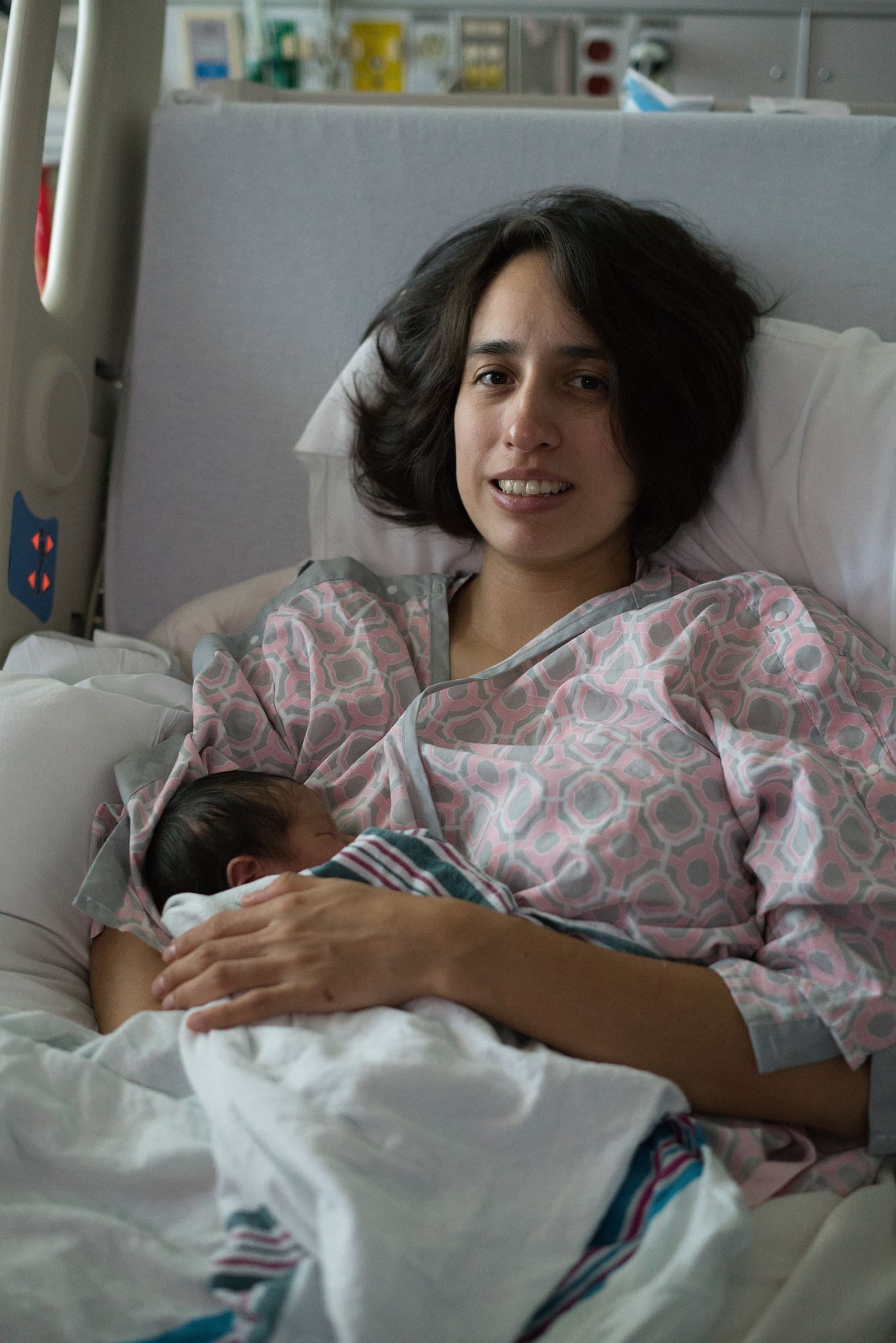
Delivery rooms are dark, small, cluttered with equipment, and lit by whatever fluorescent tube is closest. This is technically the hardest environment most photographers ever work in.
- Fast primes, no flash. A 35mm and a 50mm at f/1.4, one body, no bag rummaging. Flash in a birth room is intrusive and many midwives will ask you to stop.
- Accept the ISO. Shoot at 6400 and beyond, and expose for the faces. Nobody has ever complained about grain in a photograph of the minute their child arrived.
- Plan for black and white. Mixed hospital lighting turns skin green under one lamp and orange under another. Much of the strongest birth work is monochrome for exactly this reason.
- Two batteries, two cards, and record to both. There is no second take. The redundancy thinking in the backup system guide matters more here than at any wedding.
- Stay small and stay still. One corner, minimal movement, never between the midwife and the bed. You are a guest in a clinical space, and being easy to work around is what gets photographers invited back.
The frames that make it a story rather than a set
A birth gallery is chronological by nature, which makes it one of the easiest sets to sequence and one of the most powerful to look back on. The list families respond to most:
- The arrival. The bag in the hallway, the car door, the hospital sign at night.
- The waiting. Hands on the bed rail, the clock, the partner asleep in a chair.
- The support. The partner's hands on her back, the midwife's hands, the doula counting through a contraction.
- The moment itself, however the client asked you to frame it, and exactly as agreed months earlier.
- The first look. Her face, not the baby's. This is almost always the photograph the family prints.
- The details. The wristband, the weight on the scale, the time on the wall, the first hat.
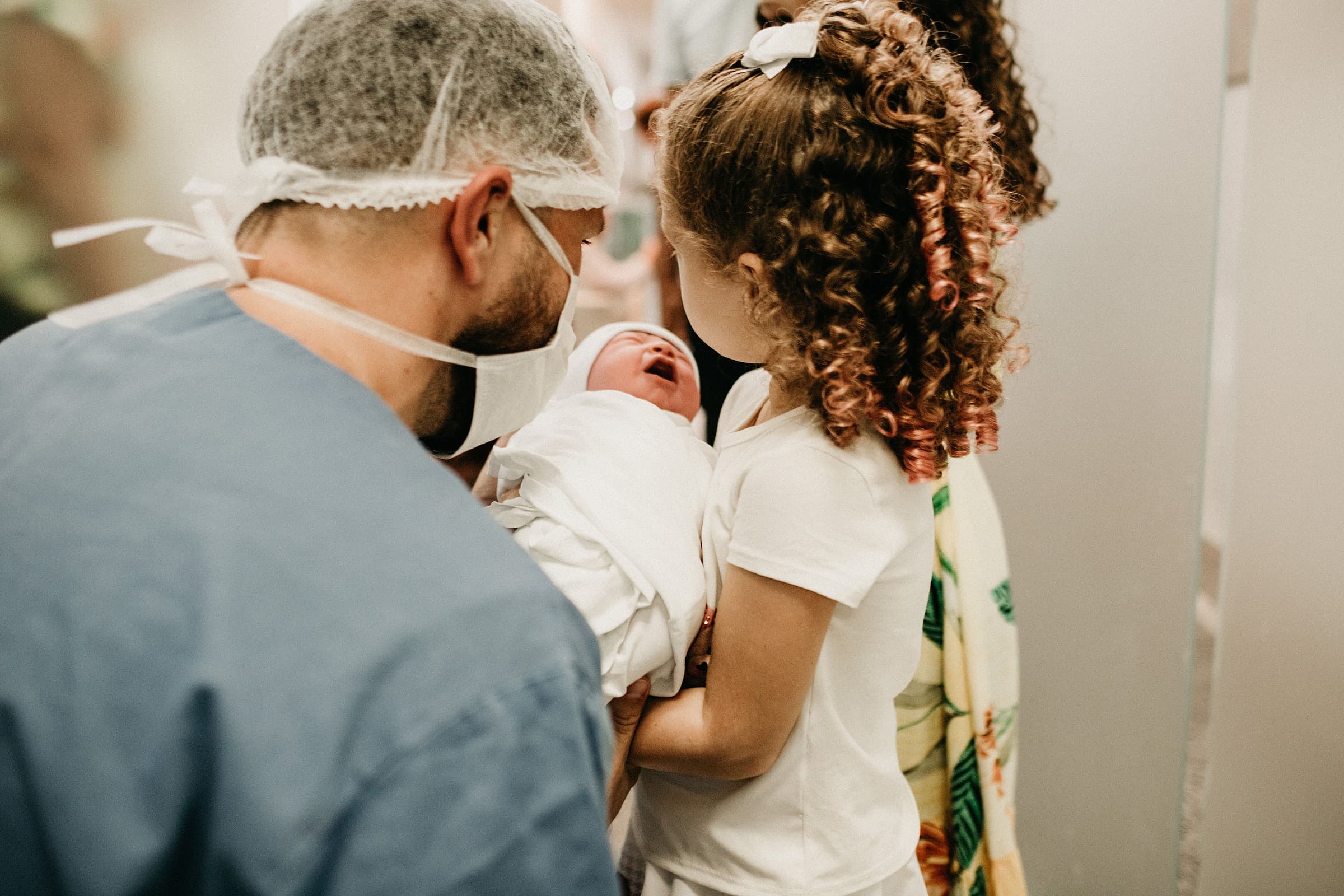
- The people who came in after. Grandparents, and a sibling meeting the baby for the first time.
- The leaving. The car seat, the doors, the drive home.
Consent and privacy are part of the product
These are the most private photographs you will ever take. Handle them as carefully as you take them, and say so during the sales conversation, because it is a real reason families choose one photographer over another.
- Get written permission for every use, separately from the shooting contract, and ask after delivery rather than before. Somebody at 36 weeks pregnant cannot really consent to how a photograph of her labour will feel to look at.
- Offer three levels: nothing shared, a set she chooses, or full permission. Most people pick the middle option, and they pick it happily when it is offered.
- Put a password on the gallery by default. A link forwarded around a family eventually reaches a group chat somebody screenshots.
- Keep faces out of your portfolio unless you have that in writing. A birth photo used without clear permission is the kind of mistake that ends a local reputation permanently. The guest photo privacy guide covers the same principle in a lighter setting.
Deliver the sequence, fast, and privately
- Send two or three photographs within 24 hours. The family is announcing the birth that day, and your photograph is the one that goes out.
- Deliver the full set in order, from the hallway to the drive home. A set sorted by filename asks the family to reassemble the night themselves, and it tends to get opened once. The same photographs in sequence get opened every year on a birthday.
- Include the black and white and the colour version of the key frames, and let the family choose.
- Then sell the next session while you are still in their life. A newborn session at ten days, described in the newborn session guide, and a first year plan after that.
Deliver the night as one private link
Put the birth on a password protected link that scrolls in the order it happened, from the drive in to the first morning. The family controls who sees it, and nothing is public unless they say so.
Where the bookings come from
Birth photography is almost entirely word of mouth, and the mouths belong to a small group of people who see every pregnant client in your city.
- Doulas and independent midwives first. Offer to photograph two births at cost for a doula you respect, in exchange for images she can use. That is a referral pipeline for years.
- Antenatal and hypnobirthing classes. Ask to leave cards, or offer a short talk on what a birth photographer actually does in the room.
- Maternity clients are your warmest leads. Anyone who booked a maternity session is already planning the next few months and is easy to talk to about it.
- Publish the answers people search for at 2am. Whether hospitals allow photographers, what happens with a caesarean, what it costs, what the photos look like when a birth does not go to plan. Very few studios write any of it, which is exactly the opening the SEO guide describes.
The short version
Birth photography works as a business when you charge for the window rather than the hours, settle the hospital and backup questions months in advance, and shoot in a way that survives a dark room with no second take.
Deliver in sequence, keep it private by default, and let the family decide what the world sees. Do that well and the doulas, the midwives, and the family themselves will bring you the next booking before you have finished editing this one.