Newborn Photography Sessions: Price, Shoot, Deliver
A working guide to newborn photography as a business: how to book around a due date, price the on-call window, run the session, and deliver fast enough to sell.
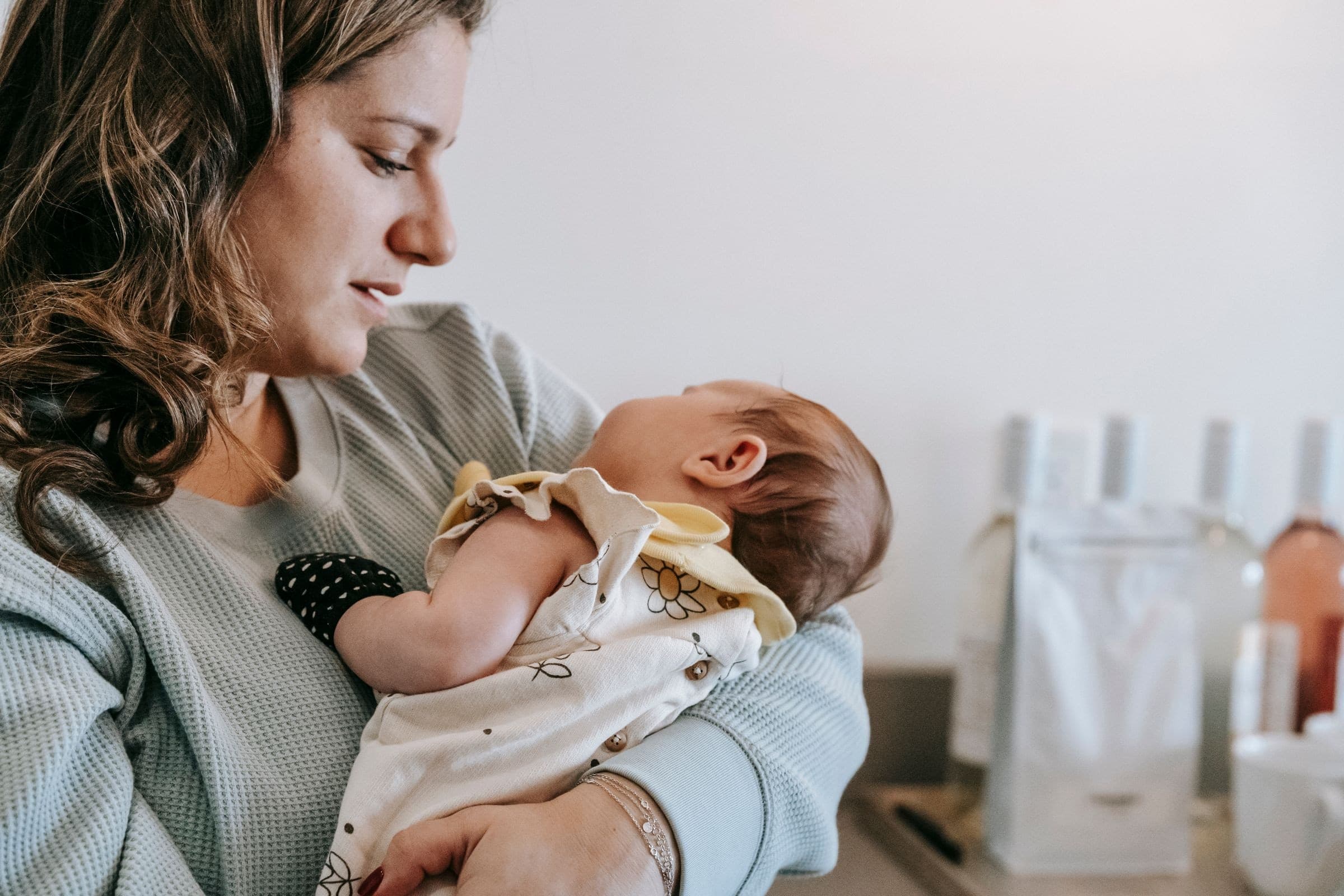
Newborn photography is the only portrait work where the client cannot tell you when the session is. A due date is a guess with a two week error bar, and the photos only work in a window that opens the day the baby comes home and closes about two weeks later.
That one fact should shape everything: how you book, what you charge, how you run the morning, and how quickly you send the photos. Most newborn businesses that feel chaotic are running a wedding booking process on a schedule that refuses to hold still.
Book the window, not the date
Take the deposit at around 28 weeks and put a two week window in the calendar instead of a fixed day.
- Hold the window, not a slot. "Your session will be in the ten days after you come home. I will keep those mornings clear and confirm within 24 hours of your text."
- Get told at the birth, not at the discharge. One line in your booking email: "Text me the day the baby arrives, even at 3am. I will reply when I am awake."
- Book at 5 to 12 days old for posed work. Sleepy, curled, still folded from the womb. Lifestyle sessions are more forgiving and can run to three or four weeks.
- Never book two windows that overlap. Two babies in the same fortnight means one family gets a session at 19 days that they will politely never book again.
- Keep one buffer morning a week. Early arrivals, jaundice readmissions, and a mother who needs another three days are normal, not exceptions.
Price the fortnight you are holding open
Newborn pricing looks expensive per hour and is not, because the product you sell is availability. Two weeks blocked out for one family is the real cost.
Add up an honest session:
- The session itself: two to three hours, because feeding and settling cannot be rushed and the good frames come after the second feed.
- Editing: newborn retouching is slow work. Skin, redness, flaking hands, composite safety shots.
- The hold: the mornings you kept clear and could not sell.
- Travel and setup for in-home sessions, plus the heater, the wraps, the laundry.
A session that pays properly is usually priced like a half day, not like a one hour portrait. If your number feels high, the fix is not a discount, it is being specific about what is included: how many edited photos, how they arrive, how long they stay online, and what a print or album costs. The same logic in the pricing guide applies here, and the packages that sell piece covers how to structure the tiers.
Three add-ons newborn clients genuinely want, in the order they usually sell:
- Maternity session before, at a bundle price. Sold at booking, shot at 32 weeks.
- The first year plan. Newborn, sitting up, first birthday. Paid monthly, booked the day they see their newborn photos.
- A print or album. Newborn photos are printed more often than almost any other session you shoot. Do not leave them as files.
Run the session so the baby sets the pace
The parents will be tired, the room will be warm, and nothing will happen on schedule. Build a running order that works when everything slides.
- Arrive and do nothing for ten minutes. Boil the kettle, turn the heating up to about 24C, put the phone away. A rushed start produces an unsettled baby and two hours of chasing.
- Shoot the parents first while the baby feeds. Hands, the wedding ring against the blanket, the older sibling on the bed. You are collecting the quiet frames the family did not know to ask for.
- Then the baby, warm and fed. Wrapped first, unwrapped second. Change one thing at a time: same light, new pose, new angle, new detail.
- Siblings early or not at all. A three year old has about eight useful minutes. Get the whole family frame while everyone is still willing.
- Finish with the detail set. Feet, eyelashes, the hospital tag, the knitted hat from a grandmother. These are the frames that end up framed.
Two safety rules that also sell the work: a parent stays within arm's reach for anything raised, and every "impossible" pose is a composite of two safe frames. Say it out loud during the session. Parents notice, and they tell other parents.

Deliver in days, while the photos still feel urgent
New parents live in a strange, sleepless fortnight where everyone in their life wants a photo. If you deliver in three weeks, the family has already sent seventeen phone snaps to the group chat and your photos arrive after the story has been told.
What works:
- Send a preview within 48 hours. Five photos, no watermark, on a link. It buys you three weeks of goodwill and it gets shared immediately.
- Deliver the full set in an order that reads like the day. Coming home, the quiet feed, the hands, the sibling, the whole family, the last frame of the baby asleep. A folder of 60 files sorted by filename is not a story, and it is the reason so many newborn galleries get opened once.
- Make the link work on a phone in one hand. Grandparents open galleries on old tablets over hotel wifi. The gallery speed guide covers what actually makes a gallery slow.
- Ask for print choices instead of a sales call. "Choose your five for the album, choose your three for the wall." New parents cannot schedule a call, but they can tick five photos at 4am. There is a walkthrough in how to get clients to choose album photos.
Send the first fortnight as a story they can forward
Put the session on its own private link that scrolls like a short film, with a password if the family wants one. Parents forward the link the same night, and every relative who opens it sees who photographed it.
One newborn is three years of bookings
The family you photograph this month will need photos again in six months, twelve months, and at every birthday after that. Almost nobody asks.
- Offer the milestone plan at the reveal, while they are looking at the photos and feeling it. Not in an email two months later.
- Diarise the six month check-in yourself. A single message in March: "Your baby will be sitting up around now, want the next one?" beats any newsletter.
- Ask for one specific referral. Not "tell your friends", but "if anyone in your antenatal group is due soon, forward them your link".
- Get the review while the emotion is fresh, within a week of delivery. The reviews guide has the timing and the exact ask.
- Post the work with permission and a caption that answers a question new parents search for: when to book, what to wear, what the room needs to be like. That is how newborn photographers get found without paying for ads, and it works the same way described in the SEO guide.
The short version
Newborn work rewards planning that happens before the baby exists. Book a window rather than a date, price the fortnight you hold open, run a session that lets the baby set the pace, and get the photos out in days rather than weeks, in an order that tells the family what their first week actually looked like.
Do that and the same clients come back at six months, at a year, and with a second baby, which is a much better business than finding a new family every time.