Brand Photography Sessions: Plan, Shoot, Price
Brand photography fills the weekdays weddings leave empty. How to scope a session, build the shot list, license the images properly, and deliver so clients rebook.
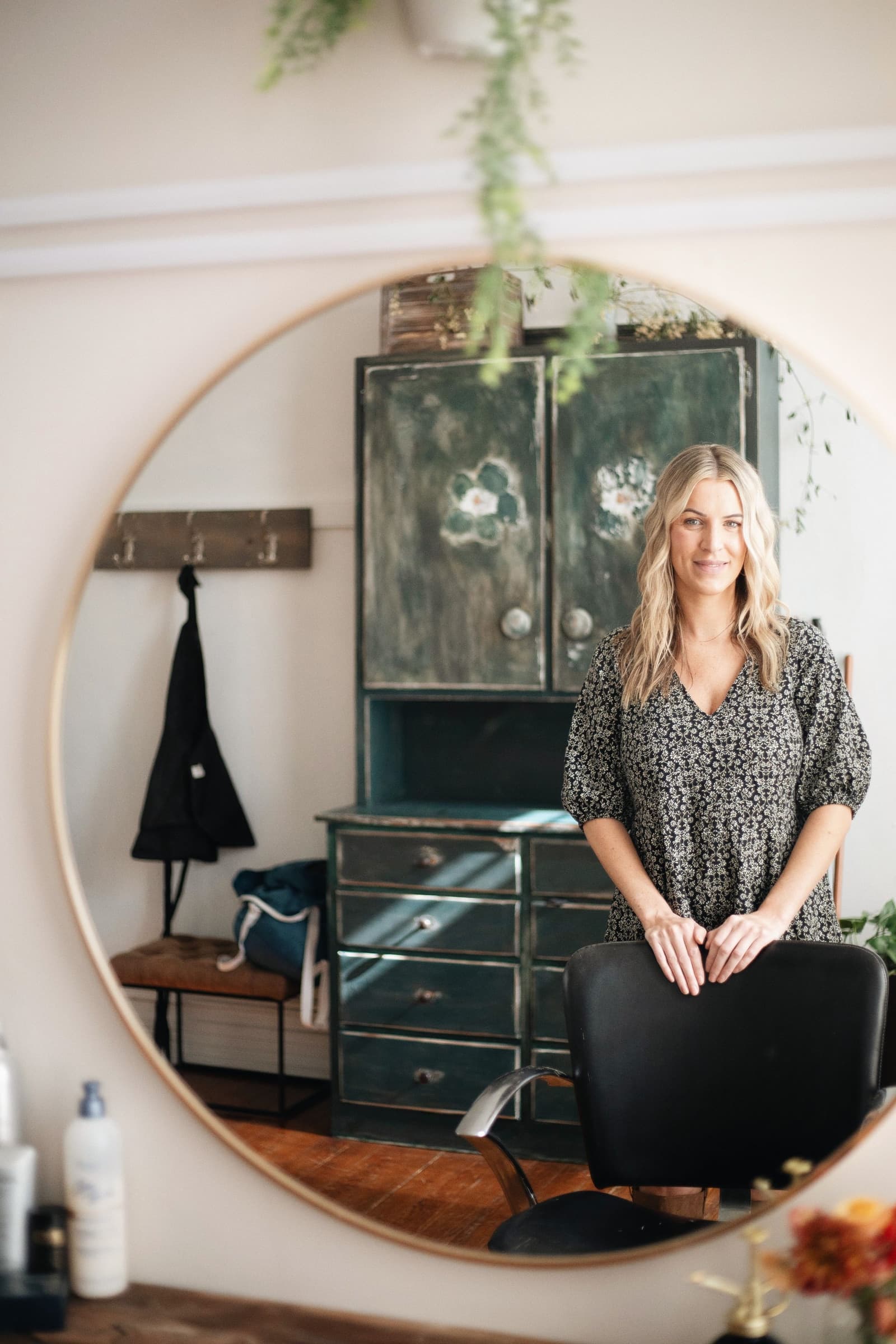
Wedding work happens on Saturdays, in a season, for clients who hire you once. Brand photography happens on a Tuesday, all year, for clients who need new images every quarter and pay from a marketing budget.
It is the most natural second income for a portrait or wedding photographer, because the skills transfer almost completely. What does not transfer is the brief. A business is buying images that still have to be doing a job in nine months, in places you have to design for before you pick up a camera.
Work out what they are actually buying
Nobody books a brand session because they want portraits. They book because something they are trying to sell looks empty without images: a new website, a rebrand, a launch, a hiring push, a stall at a trade fair.
Ask three questions on the call and the whole shoot designs itself:
- Where will these live? Website header, Instagram grid, LinkedIn, an email footer, a print flyer, a stand at a fair. Every answer is a different crop.
- What are you selling in the next six months? The images should support that, not last year's offer.
- What do you currently use, and what is wrong with it? Often you are replacing one selfie and a photo taken by a friend in 2019.
Then write the brief back to them in their words, because a business owner who sees their own launch described in your proposal stops comparing you on price.
Build the shot list from the buckets, not the poses
Brand clients panic when you ask "what do you want?" Give them a structure instead. Four buckets covers almost every business.
- The face. Two or three usable portraits, one warm and open, one calmer and more serious, one with something in the hands. This is the profile photo and the press shot.
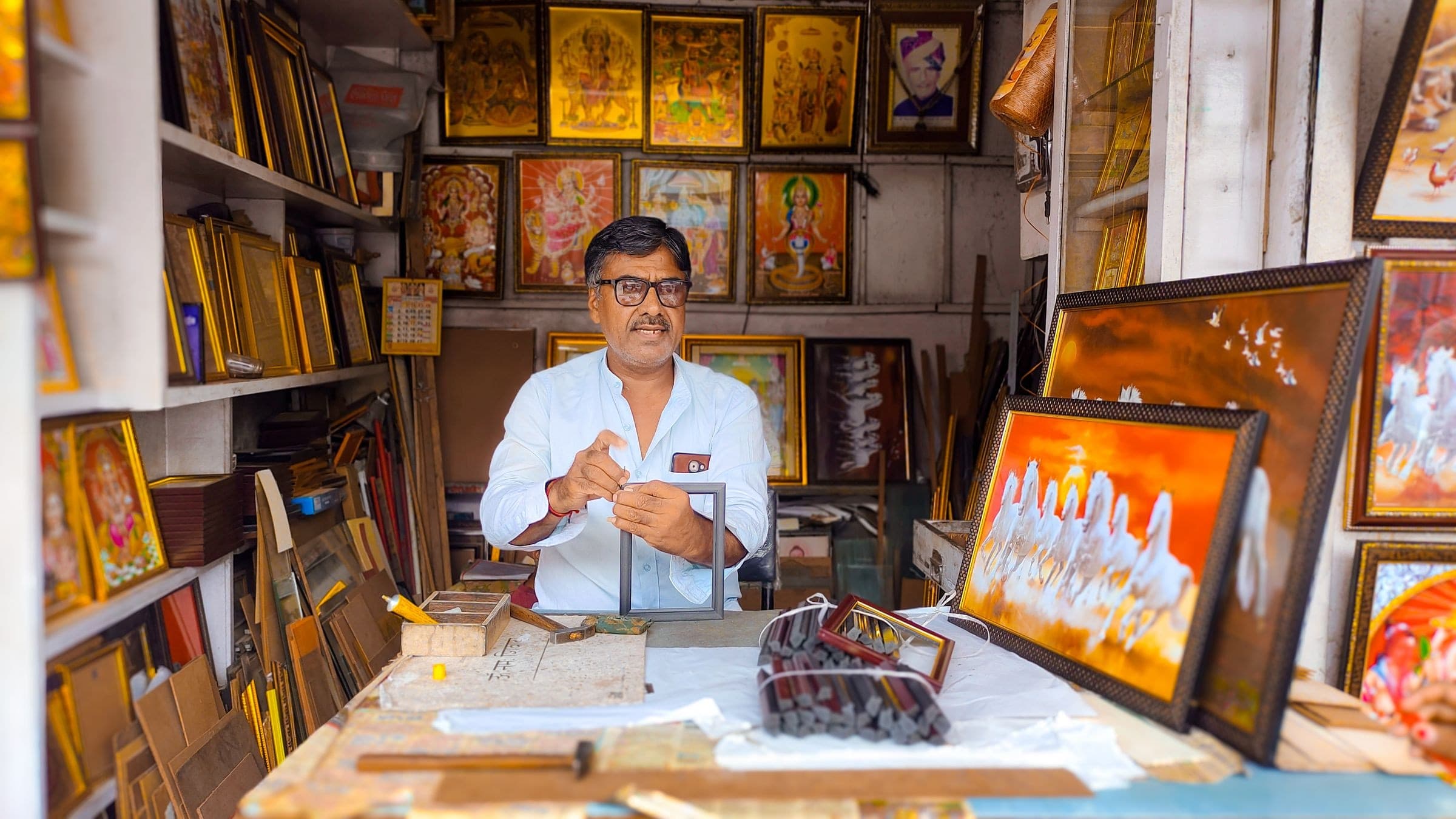
- At work. Hands doing the actual thing: mixing, typing, cutting, packing, teaching. These are the images that get used the most and they are the ones most brand sets are missing.
- The place. The studio, the shopfront, the bench, the shelves. Wide enough to set a scene, tidy enough to publish.
- The details and the products. Close, clean, simple backgrounds. Easy to drop into a post with text over the top.
Ask for three outfit changes and treat each one as a new set. Twelve usable images per look, four looks, and you have delivered a library that keeps a small business posting for a season.
Run the day on a schedule the client can see
A business owner is giving up half a day of trading to be photographed. Show them a timetable and they relax.
A half day that works:
- First 20 minutes: nothing but talking. Walk the space, find the light, agree what gets moved. Almost nobody is comfortable in front of a camera, and the first twenty minutes are what buy you real expressions later.
- Look one, working shots. Start with hands and tasks. It gives them something to do, which is the fastest way past the stiffness.
- Look one, portraits. Now that they have forgotten about the camera.
- Reset, look two, repeat. New corner, new light direction, same structure.
- Last 30 minutes: details and the space. Shoot these while they take a call or serve a customer. You do not need them in the frame.
Bring one small light and know how to use it. Offices and shops are full of mixed colour and low ceilings, and the ability to make a beige meeting room look intentional is most of what separates a brand photographer from a portrait photographer working indoors.
License the work, and put it in writing
This is the part photographers coming from weddings get wrong, and it is worth real money.
A wedding client gets personal use. A business is using your images to sell things, which is commercial use, and it is normally licensed rather than handed over.
- Define the term. Two years is a common default for a small business set. Renewal is a short email and an invoice, not a new shoot.
- Define the territory and the media. Their own website and social channels is a narrow, cheap licence. Paid advertising, billboards, packaging and third party press are wider and cost more.
- Say what is not included. Resale to another company, use by a franchisee, or handing the files to a brand they are partnering with.
- Keep your right to show the work. One line letting you publish the images in your portfolio, with an option for them to ask you to hold off until a launch.
None of this needs to be intimidating. Two clear paragraphs in your contract do the job, in the same spirit as the contract essentials for wedding work. Pricing then has two dials instead of one: the time you spend, and the scale of the use. A national campaign and a local bakery are not the same job even when the shoot is identical.
For the money side, work from a day rate plus licence, not from a per photo price. Per photo pricing rewards you for delivering less, which is the opposite of what a brand client wants. The method in the pricing guide transfers directly: cost of doing business, hours actually worked, then the licence on top.
Deliver something a marketing team can use
Brand clients rarely open a gallery alone. The owner opens it, then forwards it to whoever runs the website, and often to an agency. Your delivery has to survive being passed around.
- Send a link, not a transfer. File transfers expire, and the person who actually needs the images is usually the third person to receive them. Hosting that stays up is the whole argument in gallery hosting photographers can trust.
- Lead with a short story page. Twenty images in a considered order, scrolling like a page from their own website, so the client can see the set as a whole before they start picking. It sells the value of the shoot better than a grid of 200 thumbnails.
- Then the full library, organised. Group by look or by bucket. Label the vertical crops. A marketing person looking for "something tall for stories" should find it in ten seconds.
- Ask them to choose the hero images. Send a short list: pick your six for the website, pick your ten for social. It gets you a decision, and it tells you exactly what to shoot more of next time. The mechanics are the same as getting clients to choose album photos.
Deliver a brand set the whole team can open
Give every brand client a private link that scrolls through the shoot, with the full library behind it and a shortlist they can tick. It gets forwarded to the agency with your name on it.
Find the clients without cold emailing strangers
Brand photography sells on proximity and proof.
- Start with the businesses you already photograph around. Florists, venues, planners, caterers, salons and bakeries all need images and all know you. The vendor referral network you built for weddings is a brand photography client list.
- Publish one case study, properly. What the business needed, what you shot, what they used it for, with the images. One real case study out-performs a page of adjectives, and it is what makes a portfolio site actually book work.
- Offer a small recurring package. A half day every quarter at a set price. Small businesses hate the big irregular invoice and like the predictable one, and it turns a single booking into a retainer.
- Fill the quiet months on purpose. January and February are dead for weddings and busy for businesses planning their year. That is the same play as the off season marketing guide, aimed at a client who is at their desk.
The short version
Scope the session from where the images will be used, shoot in four buckets with a wide and a tall version of everything that matters, license the use rather than handing over the files, and deliver on a link that survives being forwarded to someone you have never met.
Get that right and brand work does something wedding work never can: it puts paid days in the middle of your week, and it gives you clients who come back before the year is out.