Proposal Photography: How to Shoot It and Sell It
Surprise proposal shoots are short, unrepeatable and the best lead into a wedding booking. Here is how to plan one, shoot the four minutes, price it, and deliver same day.
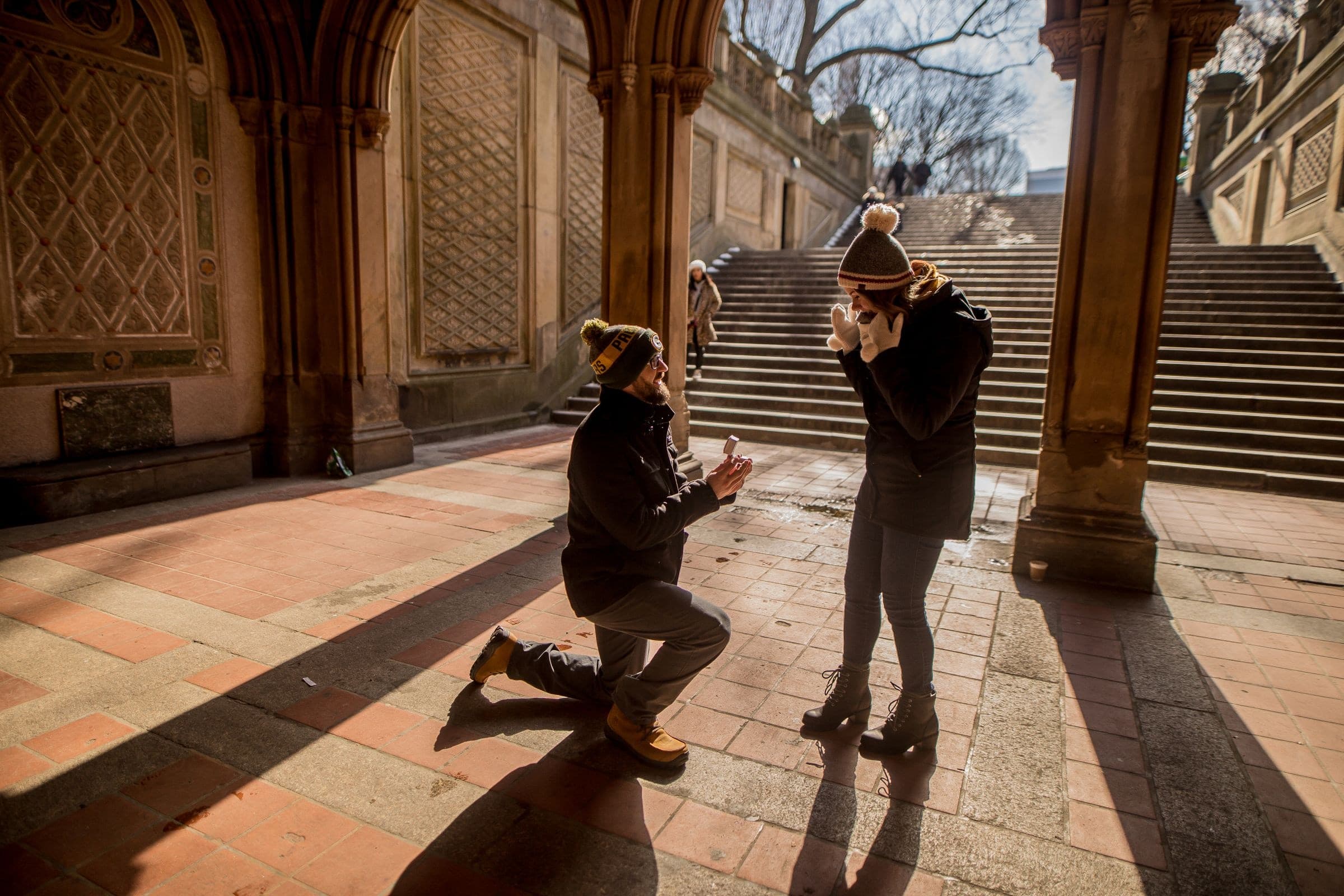
A proposal shoot lasts about four minutes and cannot be redone. There is no second take, no "can we try that again facing the light", and one person in the frame does not know you exist until it is over.
It is also the cheapest lead into a wedding booking you will ever buy. You meet a couple at the exact moment they decide to get married, you are already the photographer whose photos they are sending to everyone they know, and the engagement session and the wedding are the obvious next two conversations.
Here is how to run one properly.
Plan it like a small operation
Everything that makes a proposal shoot work happens before the day. You are planning around one person who has never done this and is extremely nervous.
Get on the phone once. Fifteen minutes with the person proposing is worth twenty emails. Ask what they have planned, then fix the parts that will not photograph: a restaurant table with no light, a rooftop at 10pm, a beach at midday.
Agree the five things that decide the photos:
- Exact spot. Not "in the park". A pin, plus a description of where they will be standing and which way they will face. Send them a photo of the spot.
- Time. Sunset or the hour before it, and check the actual sunset time for that date rather than the one you remember from last month. The golden hour guide explains how far the light moves in a fortnight.
- The signal. Something small and impossible to miss: hand in the left pocket, hat off, phone raised as if to check the time. Never a wave.
- Where you will be. Show them on the map where you will stand so they do not scan the treeline looking for you and give it away.
- The direction they walk in. You want them arriving toward your light, not away from it. This one detail is the difference between a portfolio frame and a silhouette of two backs.
Write the plan down and send it back. One short page: meet time, your spot, their spot, the signal, your phone number, what happens if it rains, and what happens if the plan collapses. Nervous people forget everything, and a page they can reread on the train is worth more than any conversation. The same principle behind a good client welcome guide applies to a shoot with one anxious client.
Shoot the four minutes
Be in position twenty minutes early. Long lens, wide open, quiet mode, second body over the shoulder with something wider on it. Look like a tourist photographing the building.
A running order that reliably produces a full set:
- The approach. Two or three frames of them walking in. It sets the scene and it proves the surprise was real.
- The kneel. Burst it. This is the frame that gets printed and it lasts under two seconds.
- The reaction, not the ring. Turn your attention to the person being proposed to. Hands over the mouth, tears, laughing, the hug that follows. That face is the photo they will use.
- The ring going on. Get close enough to see the hands. Move now, quietly, while they are looking at each other.
- The first minute after. They will hold each other and say nothing. Keep shooting. These are usually the best frames of the day.
- Then introduce yourself and give them a moment to call their parents. Do not rush this. Photograph it from a distance, because a phone call to a mother thirty seconds after a proposal is a photo they will keep.
- Twenty minutes of portraits. They are the easiest subjects you will ever have. Everything you would do in an engagement session works here, at double the emotion.
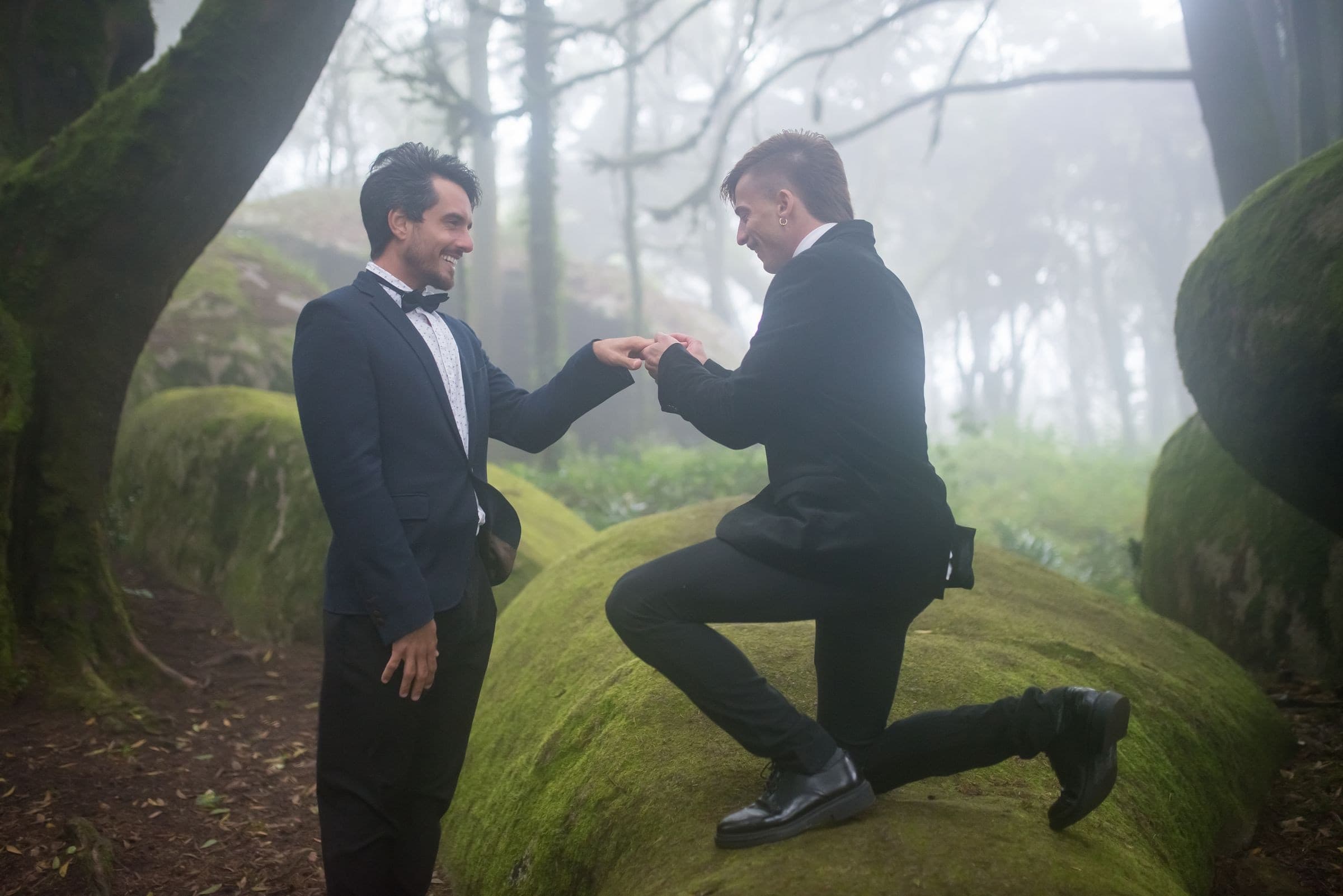
Two technical notes that cost people the shot: set exposure and focus on the empty spot before they arrive, and do not shoot from directly behind the person kneeling. Slightly off to the side, so you get one profile and one full face.
Deliver the same night
This is the part almost nobody does, and it is where the business is.
A couple who just got engaged will tell everyone they know within about three hours. They are going to post something that night. The only question is whether they post a phone photo taken by a stranger or your photo of the moment itself.
- Send five edited frames within a few hours. Before dinner if you can. It costs you thirty minutes and it puts your work in front of every person they know, at the exact moment those people are paying attention.
- Send the full set as a link that scrolls in order, not a folder. The approach, the kneel, the reaction, the phone call, the portraits after. Told in sequence it takes ninety seconds to watch and people watch it all the way through, which is the whole argument in why scrolling stories hold attention.
- Keep it private until they say so. Some couples need to tell a grandparent, or a child, or an ex-spouse, before it goes public. A link with a password, or one that stays unpublished for a day, is the difference between a thoughtful photographer and a very awkward phone call. The same care applies as in the guest photo privacy guide.
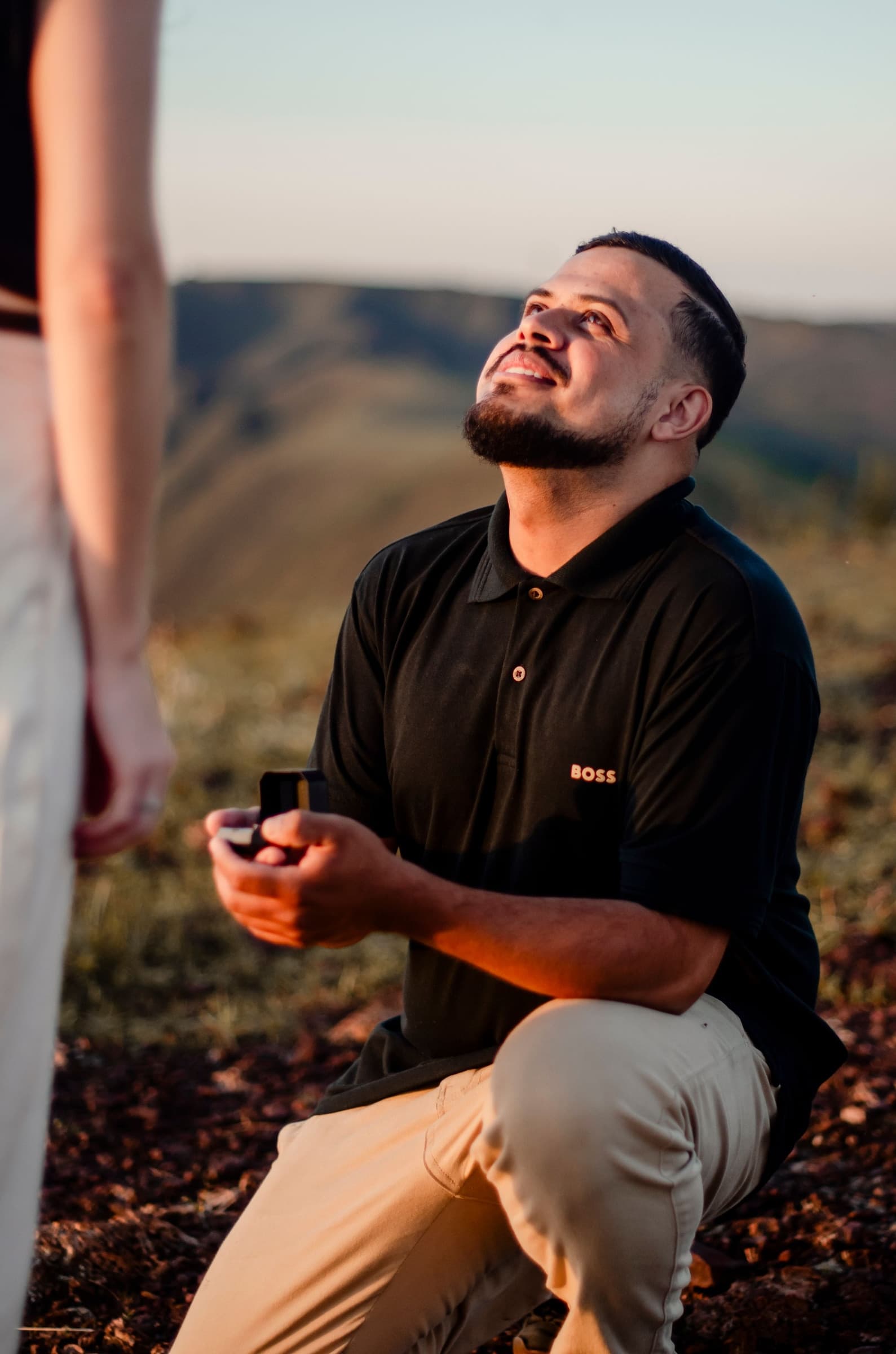
Have the story ready before they finish dinner
Build the proposal as a short scroll through story on its own link, password it if they are not announcing yet, and publish the moment they say go. Every relative who opens it sees your name at the end.
Price it as the start of something
A proposal shoot is thirty to sixty minutes of shooting and a few hours of work around it. Priced by the hour it looks cheap. Priced as what it is, a job with one chance at it, plus a scouting trip, a planning call and a same day edit, it holds a proper minimum.
Three things worth building into the offer:
- A minimum that reflects the risk. You are holding an evening, travelling, and guaranteeing a result that cannot be reshot.
- The extension. "Thirty minutes of portraits straight after" turns a proposal into a proposal and engagement session for a small step up in price, and it is an easy yes when someone is already elated.
- A credit toward the wedding. Offer the proposal fee, or part of it, against wedding coverage booked within a set window. It costs you nothing if they book and it makes the conversation about you rather than about price. The sales call script covers how to raise it without sounding like a discount.
Where the enquiries come from, in rough order of how well they work:
- Local search. People search "proposal photographer" plus a city name and book from the first page. A page on your site for that exact phrase, with real proposals on it, is the highest return marketing a proposal photographer can do. The SEO guide has the structure.
- The couples themselves. Every proposal you shoot becomes a shared link with your name on it, seen by dozens of people who are around the same age and the same life stage.
- Venue and vendor referrals. Restaurants with a good terrace, hotels, boat operators and rooftop bars all get asked "do you know a photographer?" and most have no answer. Build that list the way the vendor referral guide suggests.
Before your next proposal shoot
Confirm the spot with a photo, not a name. Agree a signal that cannot be mistaken for a wave. Get in position twenty minutes early and set exposure on an empty patch of ground. Shoot the reaction rather than the ring. Send five photos the same evening, and the full story on a private link they control.
Do those six things and a four minute job turns into an engagement session, a wedding booking, and a link that circulates through a few hundred people who have never heard of you.