Pet Photography: Book, Shoot and Deliver It Properly
A working guide to pet photography as a business: who actually pays, how to price a session, how to run 45 minutes with a dog, and how to deliver.
Pet photography has the shortest sales conversation in the industry. Nobody needs convincing that their dog is worth photographing, and nobody asks for a discount on a photo of a dog they will lose in six years.
What stops most pet photographers is everything around the session: charging like a portrait photographer when the product is wall art, running an hour that the dog cannot cope with, and sending a folder of 80 files that the owner opens once. Fix those three and this becomes one of the most repeatable businesses in photography.
Know which of the three clients you are talking to
They all book "a photo of my dog" and they are buying completely different things. Read the enquiry before you quote.
- The devoted owner. Wants a portrait for the wall, usually of one animal, often after a birthday or an adoption. Books once, prints big, comes back for the next dog.
- The senior or end of life session. The most emotional work you will ever do, booked in a hurry, often within a week. This client will spend the most and remember you the longest. Keep two slots a month you can move fast on.
- The business. Breeders, groomers, trainers, vets, and pet brands who need usable images for a website and social feeds. This is licensing work, priced by use, and it pays year round while private sessions dip in winter. The brand photography guide covers how to scope and license that properly.
Writing three different replies is worth doing once. Save them as templates alongside the ones in the inquiry email guide, then answer within the hour, because a senior dog enquiry that waits two days often goes to whoever replied first.
Price the wall, not the hour
An hour with a dog is not the product. A 60cm print above the sofa is, and so is the small album a family keeps after the dog is gone. Price the session low enough that people say yes, then make the products excellent and easy to buy.
Add up an honest session before you set a number:
- Scouting and travel to a location where the dog can be off lead safely.
- The session itself, 45 to 60 minutes, plus the 15 minutes of settling that happens before you take a real frame.
- Culling and editing. Pet work is heavy on selection, because you shoot fast and keep few. Budget two to three hours.
- Retouching for print. Eye detail, lead removal, a stray branch across a paw.
- The unpaid session. Weather, an anxious dog, or a puppy that will not settle means a reshoot roughly one time in ten. Price it in rather than absorbing it.
A structure that works: a session fee that covers your time, a small number of digital files included, and a print range that starts at a framed 30cm and goes up to a statement piece. Two thirds of your revenue should come after the shutter, not before it. The same tier logic as packages that sell applies here, and the arithmetic in how to price photography is worth running with your own numbers.
Run 45 minutes the dog can actually handle
A dog gives you three good windows of about ten minutes each. Everything after that is a tired animal and a frustrated owner. Build the session around that fact instead of fighting it.
- Let them arrive. Five minutes of sniffing, no camera. Get down on the ground early so you are not a stranger standing over them.
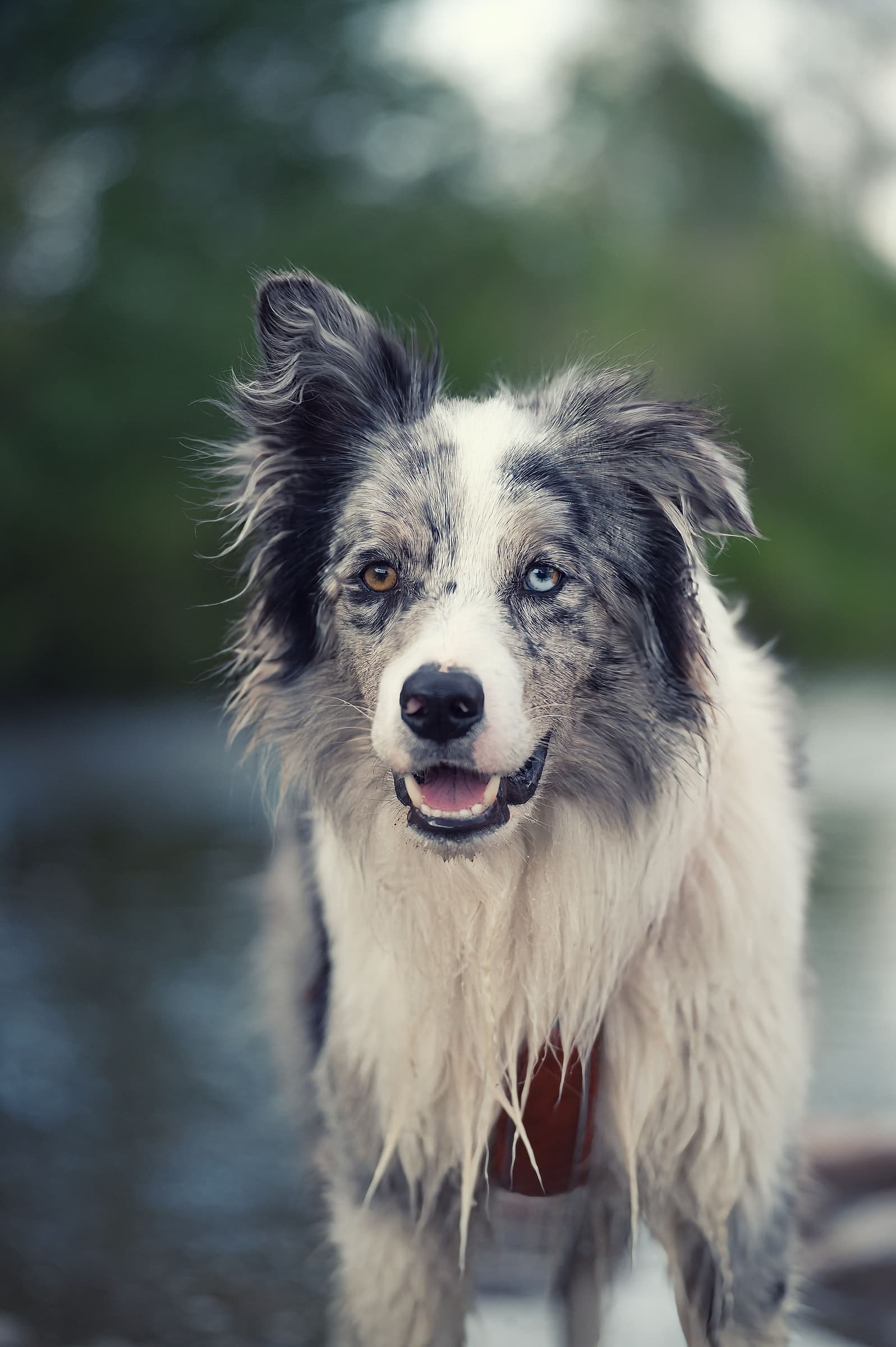
- Shoot the calm portraits first, while the dog is fresh and still. Eye level, 85mm or longer, wide open, and one focus point on the near eye.
- Then movement. Recall toward you, a ball, a run through long grass. 1/1000s and burst, and accept a low keeper rate. Two frames from a hundred is normal.
- Then the owner. Hands in fur, a forehead touch, the walk away together. These are the frames people cry at, and they are the ones most photographers skip.
- Finish with the details. Grey muzzle, paws, the worn collar, the favourite toy. For a senior dog, shoot these like a wedding detail set, because they will matter enormously later.
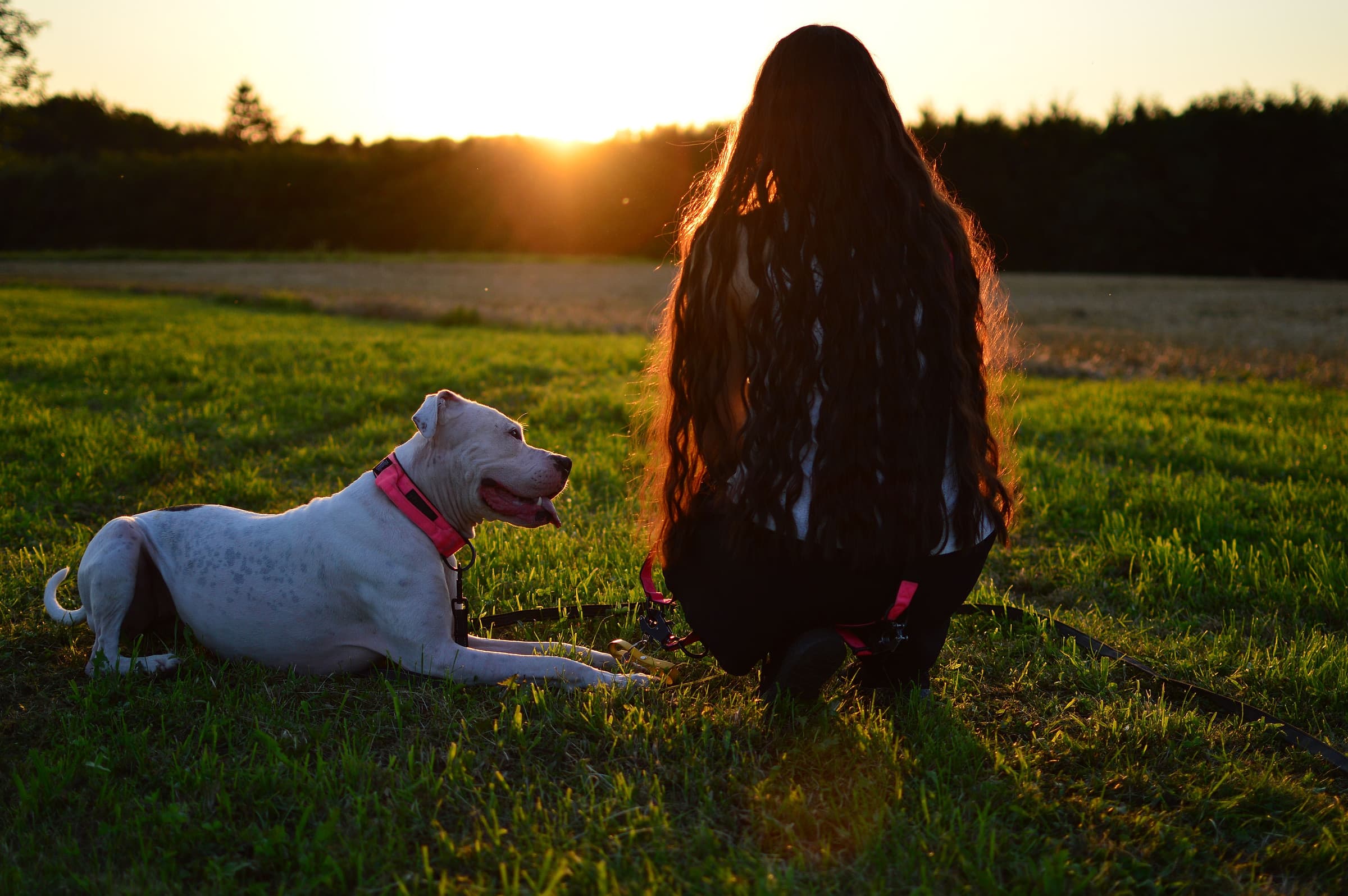
Practical things that make the difference: bring high value treats and a squeaky toy the owner has never used, ask the owner to stand directly behind you rather than beside you, shoot with the light behind the dog so the fur rims, and keep one hand free at all times. For black dogs, expose for the fur and not the scene, because shadow detail you did not record cannot be recovered.
Deliver in days, in an order that reads like the session
Pet photos have a short window of excitement. The owner told everyone about the shoot on the day, so a gallery that lands three weeks later arrives after the conversation has moved on.
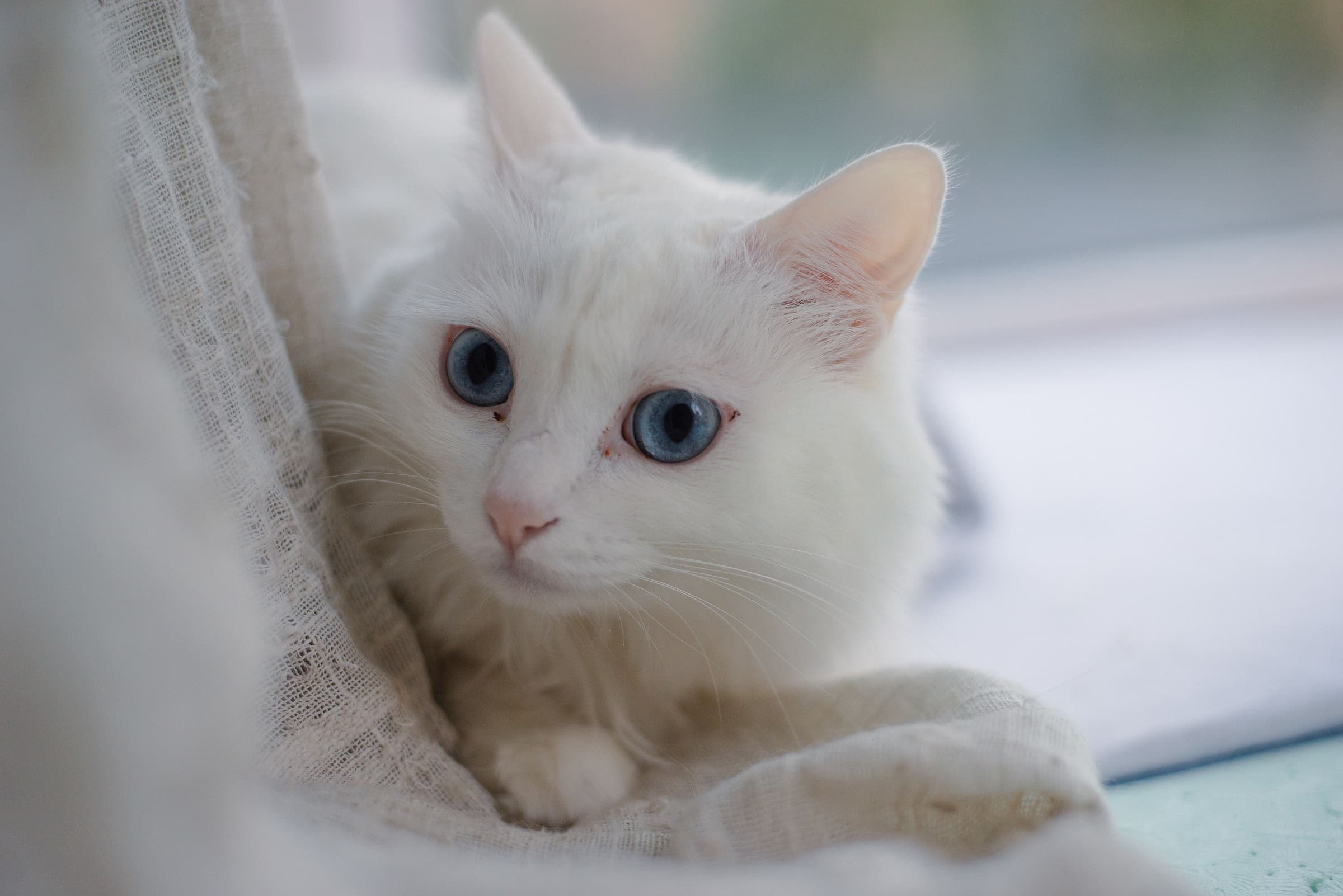
- Send three photos within 24 hours. No watermark, ready to post. This single habit produces more referrals than any advert, because it lands while their friends are still asking how it went.
- Deliver the full set in sequence, not sorted by filename. Arrival, the calm portraits, the run, the owner, the quiet last frame. There is a longer walkthrough in the photo sequencing guide.
- Make the link open properly on a phone. Most pet galleries are opened on a phone, on the sofa, and forwarded to family within the hour. The gallery speed guide covers what actually makes a gallery slow.
- Ask for print choices instead of a sales call. "Pick your three for the wall and your ten for the album" is a request people answer at 10pm. Chasing a call is not. The method is in how to get clients to choose album photos.
Send the session as a scroll, not a folder
Put the session on its own private link that scrolls in the order you shot it, with your favourite frames big and the rest in a gallery underneath. Owners forward the link the same evening, and everyone who opens it sees who photographed it.
One dog is ten years of bookings
Nearly every pet photographer treats a session as a one off. The owner does not. They will have this animal for a decade, and they will get another one after that.
- Offer the yearly session at delivery, while they are looking at the photos. "Same week next year, same price" gets said yes to far more often than an email in eleven months.
- Diarise the senior check in. For a dog over eight, a quiet message once a year is a kindness and it is also the session that sells the most prints.
- Partner with two or three local businesses. A groomer, a trainer, and a vet. Photograph their premises properly in exchange for a stack of your cards and a link on their site. Build it the same way as a vendor referral network.
- Get the review the week you deliver, while the feeling is fresh. The timing and the exact wording are in the reviews guide.
- Post work that answers a question people search for. What to bring to a dog photoshoot, the best time of day, whether an anxious dog can be photographed. That is how pet photographers get found without paying for ads, and it works the way the SEO guide describes.
The short version
Pet photography pays when you stop selling an hour and start selling something that goes on a wall. Work out which of the three clients you are talking to, price the products rather than the time, run a session in ten minute windows because that is all the animal has, and deliver within days in the order you shot it.
Do that and the same owner books you every year, tells the dog park about you, and calls you first when the next puppy arrives.