Restaurant Food Photography: How to Price and Shoot It
Restaurant food photography as a business: who pays, pricing by usage instead of by hour, a shoot plan for one service, and delivery that gets used.
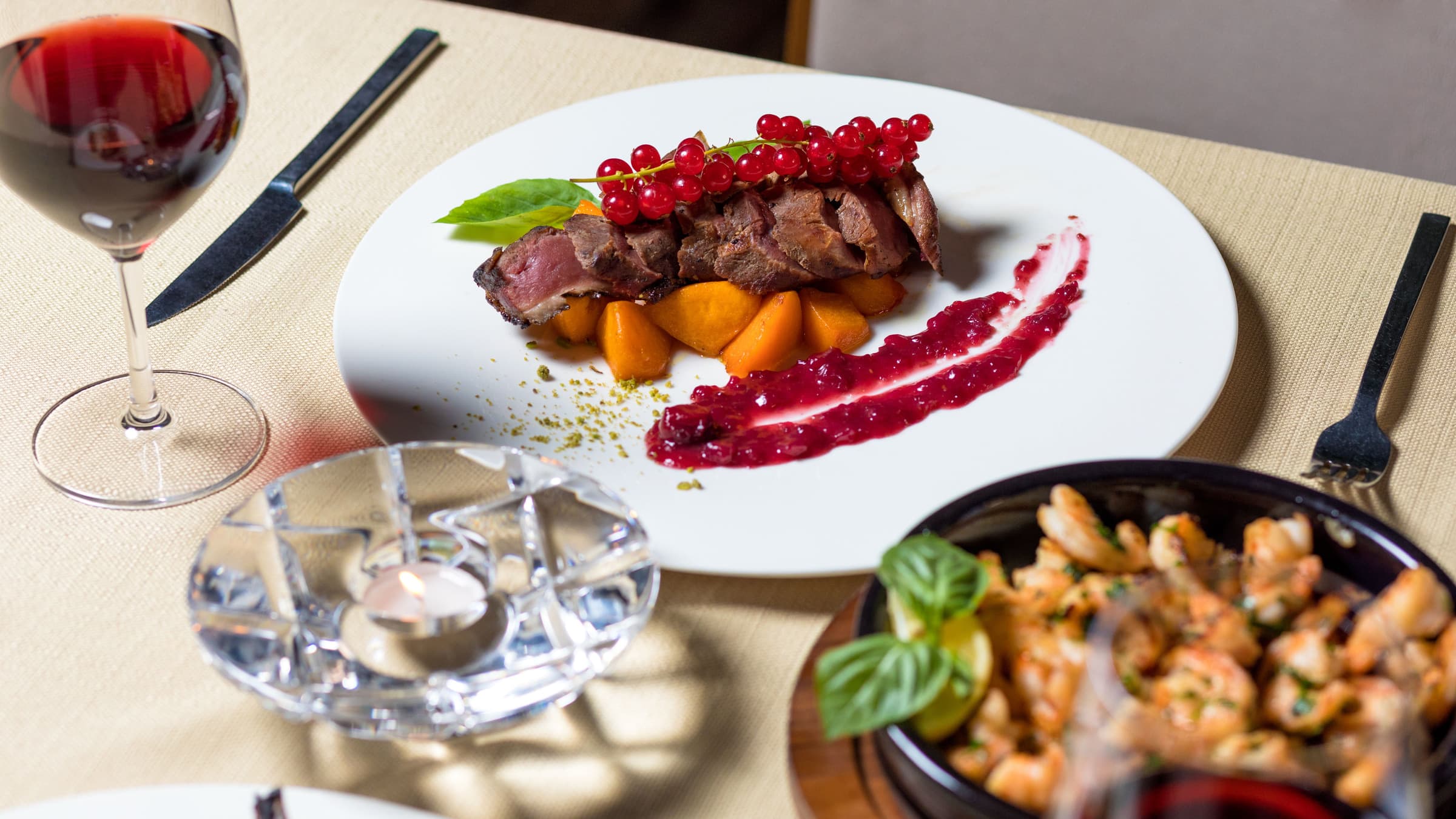
Every restaurant within a mile of you needs photographs, knows it, and is currently using something a friend shot on a phone two menus ago. That is the whole opportunity. It is also why the work has a reputation for paying badly: the client cannot tell you what they need, so they ask for "some photos of the food" and you end up shooting eleven dishes for a flat fee that assumed four.
The photographers who do well here run it like commercial work, because that is what it is. Scope the deliverable, price the usage, shoot to a plan the chef agreed to, and come back every time the menu changes.
Four clients, four completely different jobs
- The independent restaurant or café. Needs a working set for the website, the menu, the delivery apps and a month of social posts. One or two shoots a year, local, decides in a day.
- The food brand. Packaged products, recipe images, seasonal campaigns. Slower process, art direction from a marketing team, and licensing that genuinely matters.
- The PR or design agency. Books on behalf of the restaurant, briefs properly, pays reliably, and expects you to hit a shot list without hand holding. The best repeat client in this niche.
- The hotel or venue group. Restaurant, bar, breakfast, private dining and the room itself, usually in one long day. Scope this carefully or it grows.
Price the usage, not the hour
Commercial photography is priced as a fee for your time plus a licence for the use. Merge them into one hourly figure and you either lose the job or lose the value, because the client who wants the images everywhere pays the same as the one who wants a menu.
Write every quote with the same four lines:
- The shoot fee. Half day or full day, and what "full day" means in dishes. Ten to twelve plated dishes in a day is realistic with a kitchen that is ready. Twenty is not.
- The deliverable. Number of final images, retouched, plus the crops. Say it as a number so nobody assumes every frame you took is theirs.
- The licence. Media, territory and term. "Web, social and printed menus, worldwide, three years" is a sentence any restaurant understands.
- The extras. Additional dishes at a per dish rate, a second shooter for a service, props, a food stylist, travel.
Two rules save most of the arguments. Extra dishes are the most common scope creep in food work, so put the per dish rate in the quote where they can see it. And keep your raw files, always. You license finished images, and your backup system is what makes the reshoot conversation easy two years later.
Plan the shoot with the chef a week before
The single biggest difference between a smooth food shoot and a bad one is a conversation that happens days earlier. Send a short document and get it agreed.
- The dish list, in shooting order. Cold and composed first, then anything with ice cream, then hot plates last. Food dies on the plate in minutes.
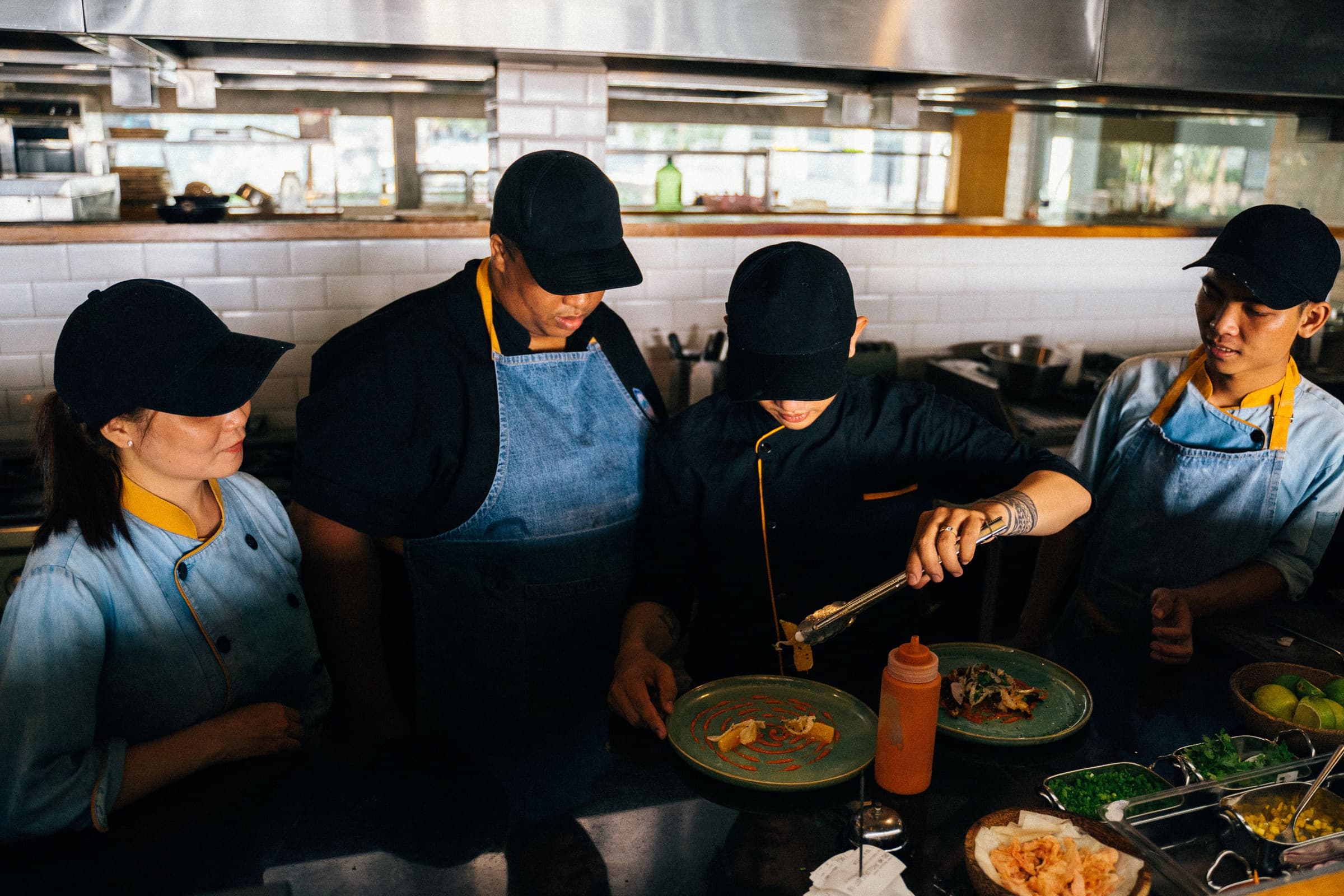
- Who plates. The chef plates, always. You art direct. A photographer arranging somebody's food is how you get a picture the kitchen does not recognise.
- Doubles of the hero dishes. One to test the light, one to shoot. Ask for it up front so it is prepped rather than improvised.
- Where you can work. A window seat before service, a corner of the pass, or a table by the door. Kitchens are hot, cramped and lit like a car park.
- Timing. Between service is the only sane window. Morning prep for a lunch place, mid afternoon for a dinner place.
- Props and surfaces. Their plates, their linen, their table. If you bring boards and cloths, agree it first so the images still look like their room.
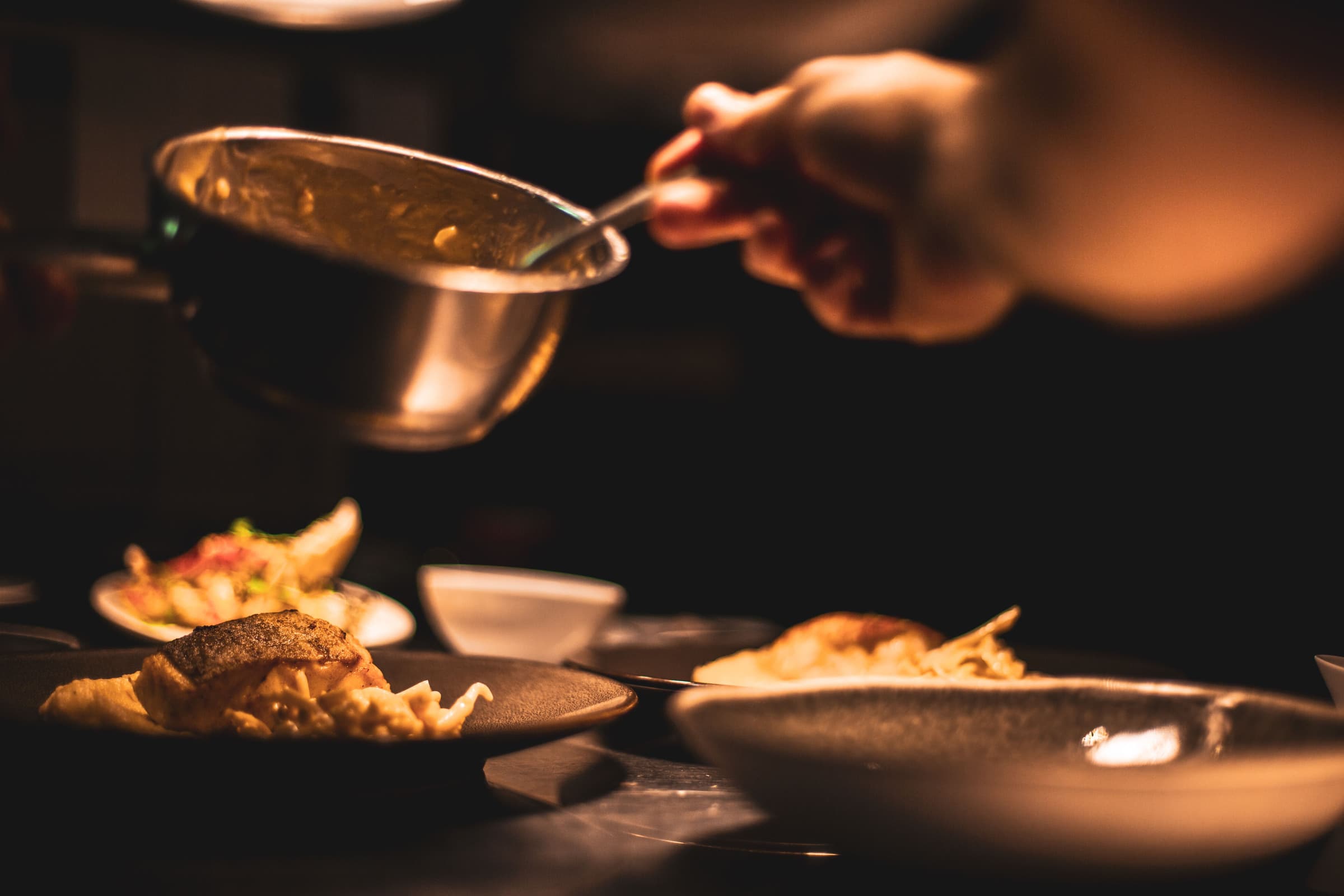
Light one dish the way you will light all of them
Consistency matters more than any single frame. A menu where twelve dishes are lit twelve different ways looks like twelve different restaurants.
- One window, one reflector is enough for most of this work. Put the light behind or to the side of the dish so sauces and glazes catch a highlight. Light from the front flattens food into a photograph of a plate.
- A flash through a small softbox saves you when the room is dark or the window faces the wrong way. Match it to the room's colour temperature so the background does not turn green.
- Two angles per dish, and only two. Straight down for anything flat, and 30 to 45 degrees for anything with height. Shoot both, deliver whichever the dish suits.
- Lock the settings, move the plate. Same light, same distance, same exposure for the whole run. It looks like a set instead of a scrapbook, and it halves the editing.
- Shoot the room and the people too. Empty at 4pm and full at 8pm, hands finishing a plate, the chef looking up. A restaurant sells atmosphere as much as food, and these are the frames they use most.
Deliver a set they can actually use
A folder of 60 files named IMG_4417 is how a shoot gets forgotten. The restaurant's marketing is often one person doing it after close, on a phone, and what they need is to find the right image in ten seconds.
- Group it the way they think: starters, mains, desserts, drinks, the room, the team. Sections make a set browsable instead of long.
- Give them the crops. A square for the delivery apps, a 4:5 for social, a tall 9:16 for stories, plus the full frame. Nobody at the restaurant is going to crop well, and a badly cropped dish is your work on their feed.
- Two resolutions, print and web. Menus go to a printer, everything else goes online, and a 12MB file on a website will make their page crawl. The gallery speed guide explains why that matters more than most people think.
- Put the licence in the delivery, not just in the contract. One line at the top of the link saying what they may do with these images prevents a year of awkward conversations.
- Let the owner pick. Send the set, then send a short list to tick: the eight for the menu, the twelve for the site. That is exactly what photo selections do, and it turns a week of "which ones do you want" into an afternoon.
Give them a page, not just a gallery
Restaurants keep asking for the same thing without knowing the words for it: a place to send people that shows what an evening there is actually like.
Take the same upload and lay it out as a scroll. The room before service, the kitchen at full tilt, three dishes in the order they arrive, a clip of the pass, the room full at nine. It reads like a visit. They can link it from an opening announcement, a press email, a supplier pitch or a booking page, and it works on a phone, which is where nearly all of that traffic lands.
For you it is the difference between selling files and selling something the client cannot make themselves. It also gets forwarded, with your name on the end, to exactly the sort of person who books food photographers.
Hand the restaurant a link, not a folder
Deliver the shoot in sections they can browse, with print and web sizes and the licence stated at the top. Then publish the same upload as a scroll through a service that they can send to press, suppliers and anyone deciding where to eat.
Turn one shoot into a retainer
The money in food photography is not in the first booking. It is in being the person they call every time something changes.
- Menus change with the seasons. Four shoots a year, booked in advance, at a lower per shoot rate for the commitment. Say it out loud at delivery, while they are looking at images they like.
- Shoot the new dish, not the whole menu. A short monthly session for two or three new plates keeps their feed alive and keeps you in the calendar.
- Cover the events. Supplier dinners, launches, chef collaborations. The event photography guide covers running those without over promising.
- Ask for the introduction. Chefs move, and they take suppliers, PR contacts and friends in other kitchens with them. One relationship in a small city becomes five within two years.
- Publish your own work properly. Restaurant owners search for a "food photographer" plus their city and then judge you on the first page they land on. The SEO guide and a portfolio site that loads fast are most of that job.
The short version
Scope the deliverable, price the licence separately from your time, and put the per dish rate in the quote so extra plates stop being free. Agree the dish list and the plating with the chef a week early, light every dish the same way, and shoot the room and the team while you are there.
Then deliver in sections with the crops they need and a line saying what they may do with them, and give them a page they can send to press. Do that four times a year for one restaurant, and word of it reaches every kitchen in town.