Headshot Photography: Price It, Shoot It, Deliver It
Headshot photography as a business: booking teams and individuals, pricing per person, one repeatable studio setup, and delivering so clients pick fast.
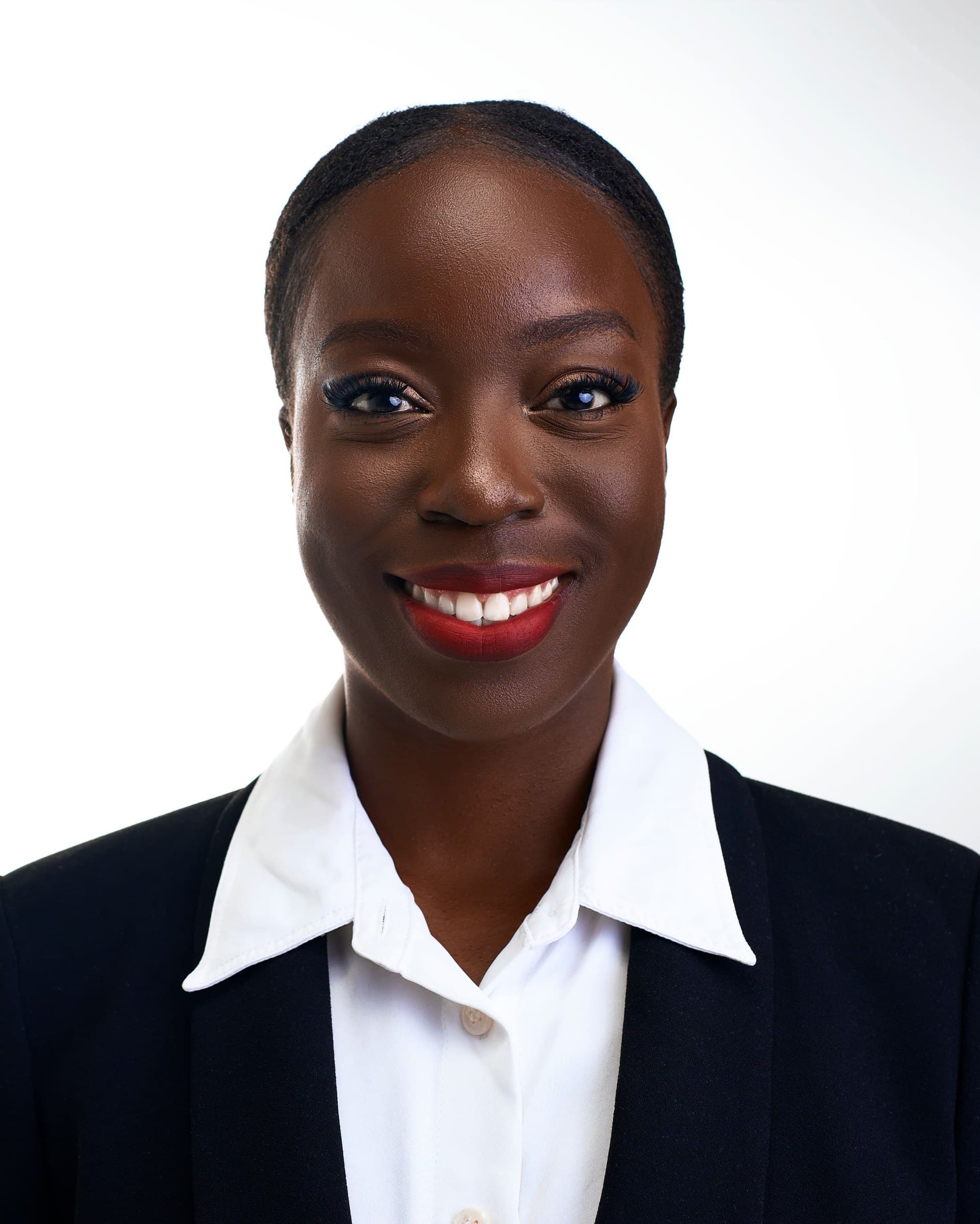
Headshots are the most repeatable portrait business there is. A wedding client books you once. A company hires someone new every month, refreshes the whole team every couple of years, and needs everyone matching. Land one office and you have a client that calls you back on a schedule for as long as they are growing.
Most photographers still treat headshots like a favour between real jobs: no fixed price, a different look every time, and a folder of hundred proofs emailed to someone who just wanted to pick one. Fix those three and this becomes the steady, year-round income that carries you through the quiet months.
Know which of the three clients is booking
They all ask for "a headshot" and they are buying different things. Read the enquiry before you quote.
- The individual. An actor, a founder, a consultant, someone up for a promotion. Wants to look like the best version of themselves and usually needs it this week. Books once or twice a year, and refers you to everyone in their network if you get it right.
- The team. A company that needs everyone on the About page to match. This is the bread and butter: one booking, one setup, twenty faces, one invoice. Cares about consistency and turnaround far more than about art.
- The recurring account. An agency, a talent roster, a fast-growing firm that needs new starters shot every quarter. This is the one to build a business on, because it is a calendar rather than a booking. Keep a couple of slots a month held for them.
Price per person, never per hour
An hour in front of a backdrop is not the product. A portrait that makes someone look capable and approachable is, and that portrait takes the same lighting and the same editing whether the session ran ten minutes or thirty. Price the outcome.
- Individuals: a session fee plus a small number of final images. The fee covers your time and the look; the images are what they pay to keep. Offer extra retouched finals as a clear add-on rather than haggling.
- Teams: a day rate or a firm per-person price. Twenty people at a set price each is simple to approve and simple to run. State whether it includes one retouched final per person, because retouching forty faces is most of the job.
- Recurring accounts: a standing per-person rate. A number they can put in a budget without asking, so a new starter is a booking rather than a negotiation.
The arithmetic in the pricing guide is worth running with your own numbers, and the tier logic in packages that sell applies almost unchanged: a base that gets a yes, and add-ons that grow the order.
Build one setup you can repeat in your sleep
Consistency is the entire product for a headshot photographer. A team's portraits have to look like they were taken by the same person on the same day, even when they were not. That only happens when your setup is a system, not a fresh idea every time.
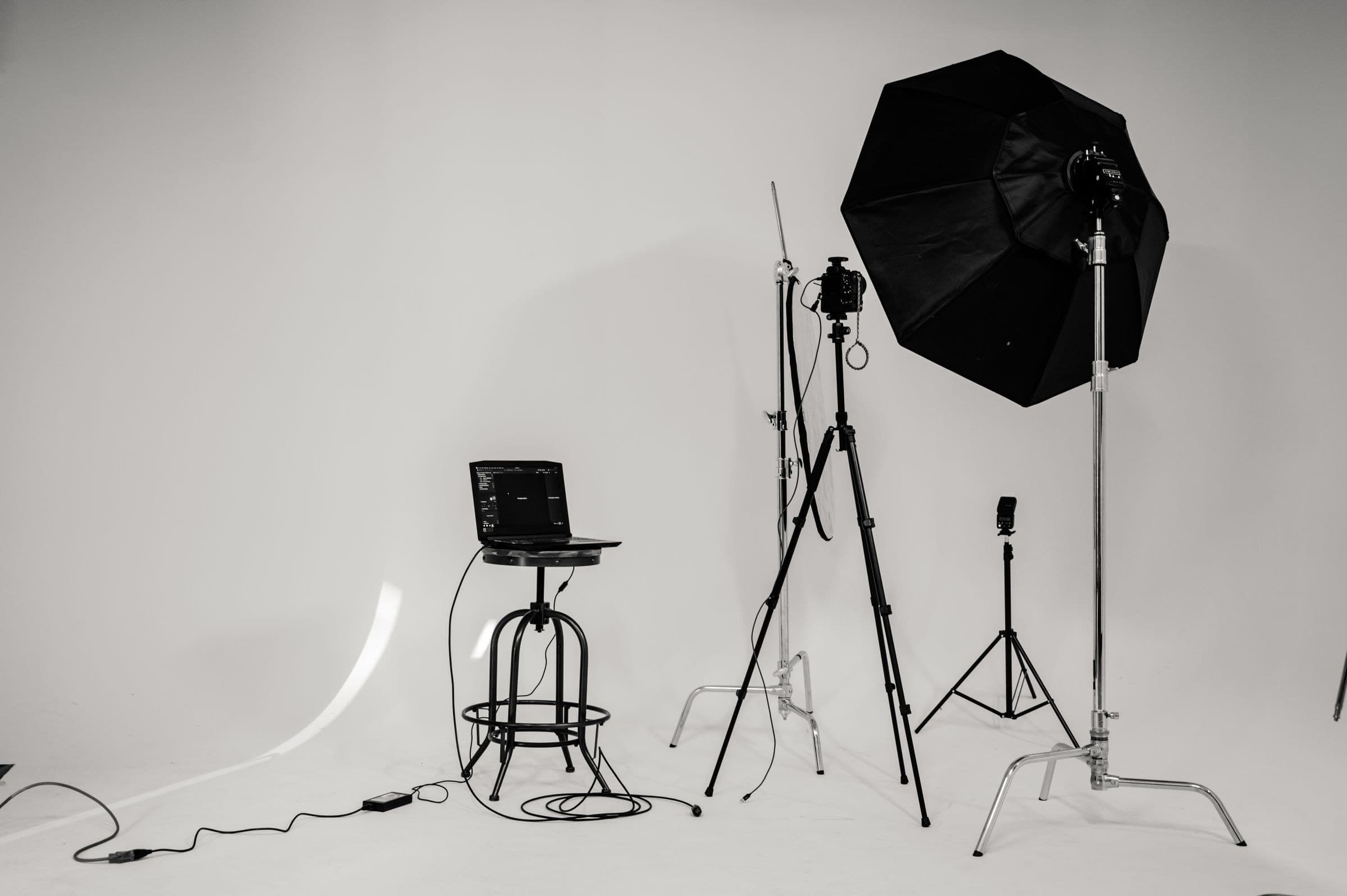
- One light you trust. A big softbox or an octabox close to the subject, one fill or a reflector, and a clean separation from the background. Learn it cold so you are not chasing light while a nervous client waits.
- A background you can match again. Grey, white, or a real environment for a personal brand. Whatever you pick, write down the settings so the next new starter matches the first forty.
- Tether to a screen. Shooting into a laptop lets the client see themselves big and lets you nail focus on the eye every frame. It also turns a session into a collaboration, which is what settles people down.
- Mark the floor. Same distance, same height, same crop. When the setup does not move, every face slots into the same frame and your editing halves.
Run the session so nobody freezes
Most people hate being photographed and arrive braced for it. Your real skill is not the lighting, it is getting a real expression out of someone in the ninety seconds before they stiffen up.
- Talk first, shoot second. Thirty seconds of ordinary conversation drops the shoulders faster than any direction. Ask what the photo is for.
- Give the body a job. "Turn your shoulders to the window, chin slightly down and forward." People relax when they are following a clear instruction rather than being told to relax.
- Show them the back of the camera early. One good frame on the screen and the fear turns into confidence. From there you get the real smile.
- Shoot in short bursts, chat between them. Ten frames, a quick look, a joke, ten more. Nobody holds a genuine expression for two minutes, so do not ask them to.
- Get the two versions. A warm smile and a calm, serious look. Different roles need different faces, and offering both makes the choice feel considered.
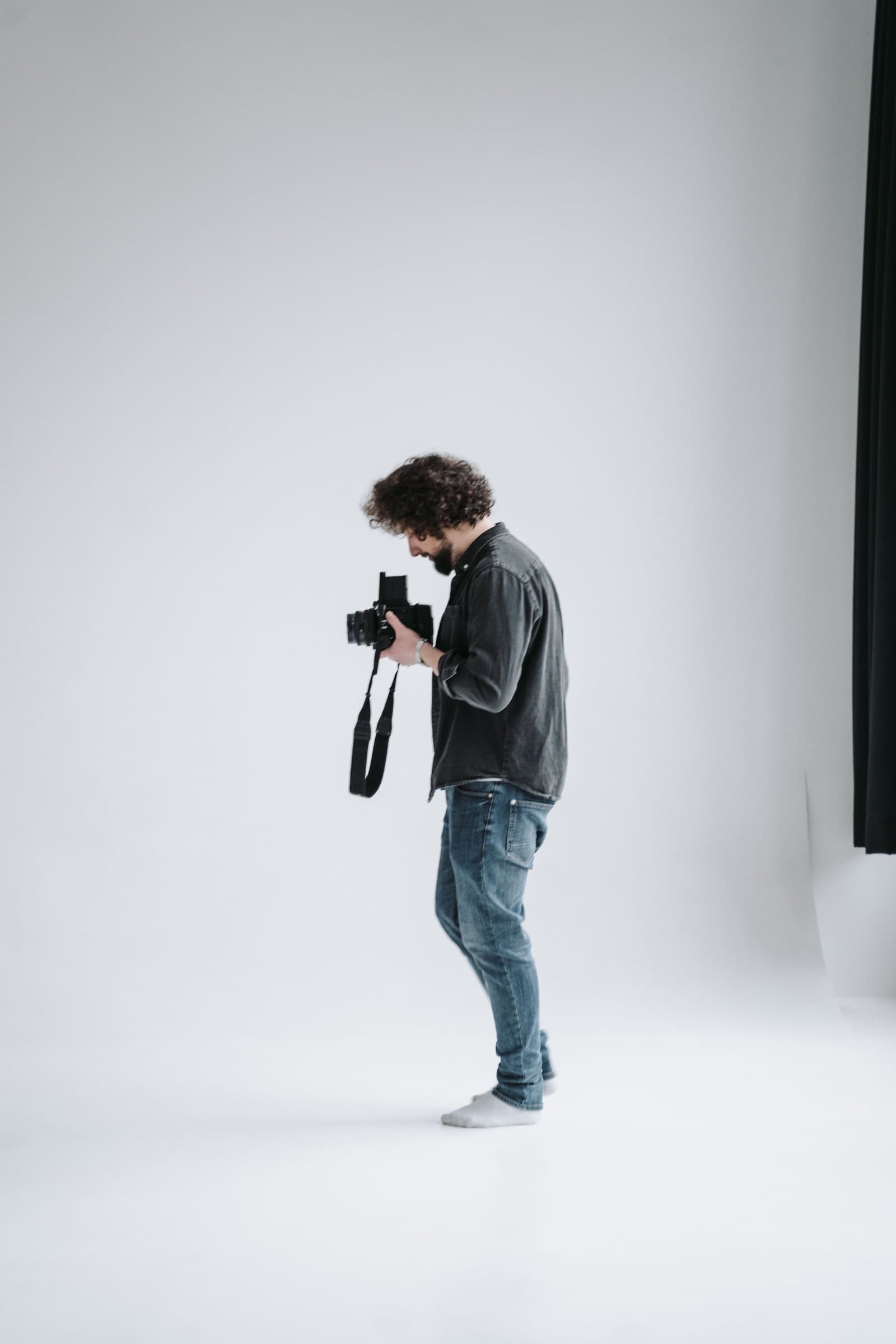
Deliver so they can pick in one sitting
The moment a headshot session ends, a very human problem starts: choosing. Email someone eighty proofs and you have handed them a chore they will put off for two weeks, and your invoice waits behind it.
- Send a proofing gallery, not an inbox full of files. One private link they open on a phone, with your best frames first. The gallery guide covers delivering it so it loads and gets forwarded to whoever signs off.
- Ask for a decision, not a browse. "Pick your one favourite for retouching, or your top two." A clear ask gets answered the same evening. Vague delivery gets ignored. The method is the same one in how to get clients to choose photos.
- For a team, let each person choose their own. A list where forty people each tick the frame they want retouched, with a deadline, means you retouch the right face once instead of guessing or chasing HR. That is exactly what photo selections are built for.
- Deliver the finals sized for the job. A square crop for social profiles, a wider crop for a website, full resolution for print. Label them so nobody uploads the wrong one.
Let the whole team pick in an evening
Send one private link where every person ticks the frame they want retouched, against a deadline. You retouch the right face once, the office manager stops chasing, and the invoice does not wait on a folder nobody opened.
Turn one headshot into a contract
The single portrait is where most headshot photographers stop. The client does not. They have a team that changes, a website that dates, and a network full of people who need the same thing.
- Offer the team rate at the individual session. When a founder loves their portrait, "I can do the whole team on one day" is an easy yes in the room and a hard sell over email later.
- Diarise the refresh. Company photos date in about two years. A quiet message at eighteen months, before they notice, wins the rebooking without a pitch.
- Become the new-starter default. Offer a standing rate and a fast turnaround so onboarding a hire means booking you. That is the account that pays every quarter.
- Rank for your town. "Headshot photographer" plus a place name is a search with obvious buying intent and less competition than weddings. The SEO guide covers the pages worth writing, and your portfolio site is where a hiring manager decides.
- Get the review the week you deliver. A LinkedIn recommendation from a founder reaches exactly the people who book headshots. The timing and wording are in the reviews guide.
The short version
Work out whether you are shooting one person, a team or a recurring account, because that decides everything else. Price per person so a new starter is a booking rather than a negotiation. Build one repeatable setup so forty faces match, and run the session so people relax before they stiffen.
Then deliver a link that asks for a decision rather than a browse, let each person pick their own frame to retouch, and offer the refresh before they notice they need it. Do that and one headshot becomes a client that calls you every quarter.