Youth Sports Photography: Run a Season Like a Business
Youth sports photography as a business: the two things parents buy, pricing a season, shooting in bad light, and delivery that helps parents find their child.
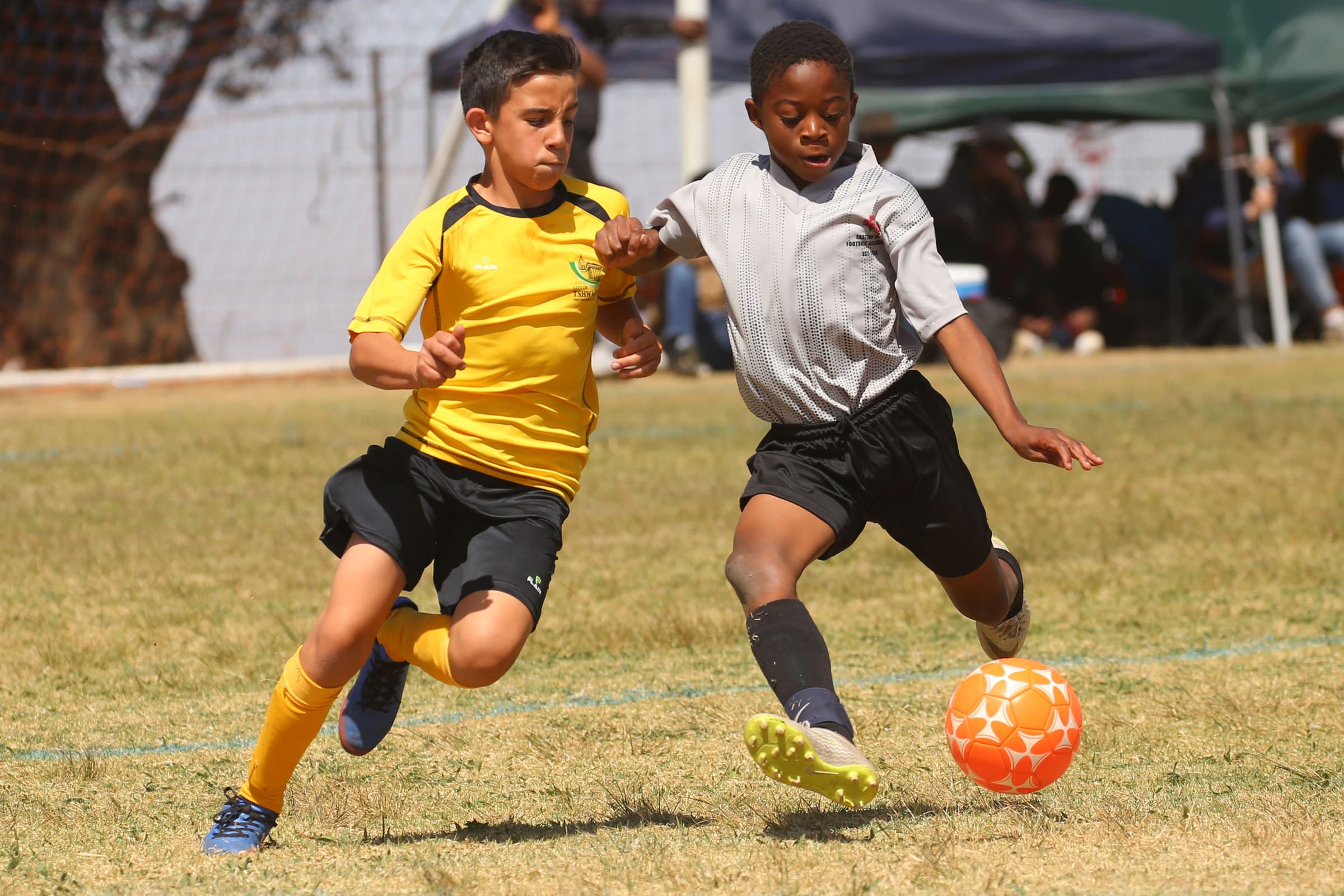
Youth sports is one of the few photography niches with a guaranteed audience. Every child on that pitch has at least two adults who want a good photograph of them, and a season runs for months whether anyone books you or not.
It is also the niche where most photographers work hardest for the least. The shooting is the easy part. The business is in the club agreement, the volume workflow, and whether a parent can find their own child in a gallery of two thousand photographs without giving up.
You are selling two different products
Treat them separately, because they are shot differently, sold differently and priced differently.
- Game day action. You shoot a fixture, deliver a gallery, and families buy what they want. Repeatable through the season, low commitment for the club, and the revenue depends entirely on how easy you make it to find a child.
- Team and individual day. One scheduled session, every child photographed, usually with a pre order. Higher revenue per day, more logistics, and it is the one the club actually plans around.
The photographers who make a living here run both. Team day pays for the equipment and the diary certainty; game days keep families buying all season and fill the weekends between.
Get the club agreement before you get the parents
Turning up at a public pitch with a long lens and a business card is how photographers get asked to leave. Go through the club.
- Get it in writing. Who is allowed to photograph, where you may stand, how you are introduced to families, and what the club gets. The contract essentials guide has the shape, and the same clauses carry over.
- Agree the club's cut honestly. Many clubs expect a percentage or a fixed donation per season. Price with that included instead of discovering it later.
- Ask to be announced. One message from the club secretary in the team group outsells anything you can post yourself, because it arrives with the club's authority behind it.
- Confirm consent handling. The club knows which children may not be photographed or published. Get that list before the first fixture, not after a complaint.
Price the season, not the afternoon
Parents do not compare your hourly rate to anything. They compare a photograph of their child to the price of a takeaway, and they decide in about four seconds.
- Keep the entry price low and obvious. A single digital image at an easy price gets a parent through the checkout once. The second purchase is far more likely than the first.
- Sell bundles by athlete, not by fixture. All images of number 14 from the whole season is a product a parent understands and a spreadsheet cannot compete with.
- Put prints and gifts in front of them. Team posters, a magnet or a mug for a grandparent, a framed action shot. The order value doubles when there is something to hang.
- Set a deadline, once. Orders close two weeks after the gallery opens. Nothing moves a parent like a date, and it saves you from processing a trickle of orders in June for a match in October.
- Charge the club for the record set. Team photos for the clubhouse, the website and the annual dinner are a separate deliverable with a separate price.

Settings that survive a Saturday
You cannot chimp your way through a match. Set the camera up so that keeping the child sharp is the only thing you have to think about.
- Shutter speed 1/1000 or faster for running sport. 1/640 is enough for younger age groups and slower games, and nothing below that is safe.
- Continuous autofocus with tracking, single point or a small zone. Put the point on the chest, not the face, and let the camera hold it through the run.
- Auto ISO with a ceiling. Set the ceiling as high as your camera is usable, then stop worrying about it. A sharp noisy frame sells; a clean blurred one does not.
- Sun behind you, crowd in front of you. Shoot from the side where the light is behind your shoulder and the background is trees or an empty stand rather than a car park.
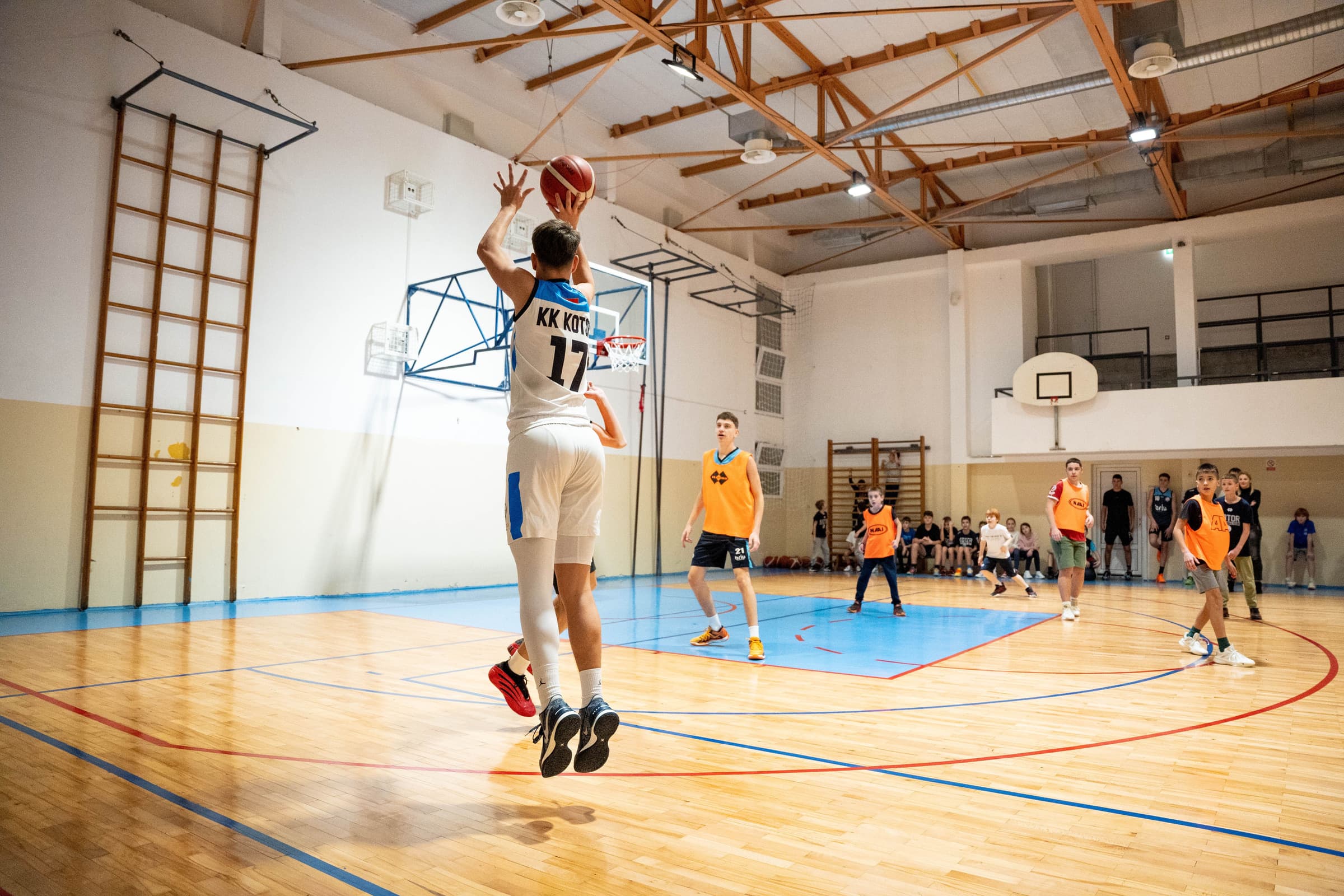
- Indoors, open up and accept the ISO. School halls are lit at levels that look fine to an eye and terrible to a sensor. Widest aperture, 1/500, ISO wherever it lands, and stand where the ceiling lights fall on faces rather than behind them.
- Get low. Crouching puts the camera at a child's eye level and drops the parked cars out of the frame. It is the fastest quality upgrade in this entire niche.
Shoot the moments either side of the action too. The team huddle, the substitute waiting, the coach at the whistle, the parents on the touchline. Those are the frames that make a season gallery feel like a season rather than a contact sheet.
A volume workflow, or you will drown
Two thousand frames a weekend breaks any process built for portraits.
- Name by jersey number as you cull. A quick keyword pass while the game is fresh in your head saves hours later and makes per athlete bundles possible at all.
- Cull to the keepers only. Three to six frames per child per fixture. More than that and parents stop looking, which is the opposite of what you want. The culling workflow guide is built for exactly this volume.
- Batch edit, do not retouch. One profile per pitch and per lighting condition, applied across the set. Individual edits are for the images someone has bought.
- Publish within 48 hours. Interest in a fixture collapses after the following weekend. Fast and good beats slow and perfect, every time.
- Back it up before you deliver. A season's archive on one drive is a season's income on one drive. The backup guide covers the minimum sane setup.
Every parent has to find their own child in thirty seconds
This is where most youth sports photography quietly fails. The photographs are good and the gallery is a wall of two thousand thumbnails, so a parent scrolls for four minutes, finds a blurry glimpse of the back of a head, and closes the tab. Nothing gets bought, and the club hears that the photos were "hard to look at".
Fix it at delivery:
- Split the gallery into sections by team and by fixture, so nobody is scrolling through the under 9s to reach the under 14s.
- Let them search or filter. A parent who can type a shirt number is a parent who buys something.
- Give each family a favourites list, so what they picked is still there when the other parent looks in the evening.
- Protect it with a password, shared by the club, and keep the gallery out of search results. This is not optional with children.
- Make it work on a phone. Nearly every parent opens this on mobile data, standing in a kitchen. The delivery guide covers the habits that make a link feel fast.
That is what a proper client gallery is for: sections, search, favourites, a password and a link that opens quickly on a phone.
Finish the season with something they will keep
Individual action shots sell all year. The thing families remember is the end of the season, and almost nobody delivers it.
Take the season's best frames and lay them out as a scroll: the first training session in the cold, the mid season run, the cup match, the last whistle, the team on the grass at the end. Add a clip of the winning goal and the coach's speech. Give the club one link to send to every family in the squad.
It costs you an evening from images you already have. The club shares it with a hundred families, every one of them sees your name at the end of it, and it arrives the week parents are deciding whether to sign up for next season. That is the best marketing available to you, and it is made of work you have already done.
Send the club one link for the whole season
Deliver each fixture in sections parents can search, behind a password and out of search results. Then turn the season's best frames into a scroll the club sends to every family, video clips included.
Grow it into a year round calendar
One club is a season. Four clubs is a business.
- Photograph every age group. Younger squads have the longest future with you, and their parents buy the most.
- Go where the club goes. Tournaments, presentation evenings, promotion nights and the annual dinner are all bookable days on top of the fixtures.
- Ask for the review the week you deliver, while a parent is still looking at a photograph they love. The wording is in the reviews guide.
- Talk to the school as well as the club. Sports days, teams and yearbook work run on the same equipment and the same workflow.
- Turn the best frames into your marketing. With permission, a strong action set is the most shareable work in photography. The repurposing guide covers making a season's images last all year.
The short version
Sign an agreement with the club, price a season instead of an afternoon, and set the camera so sharpness is the only thing you have to think about. Cull to the keepers, name by shirt number, and publish within two days while anyone still cares about the result.
Then make sure a parent finds their own child in half a minute, behind a password and off search engines. Close the season with one link the club sends to every family, and next season books itself.