Product Photography: Price It, Shoot It, Deliver It
Product photography as a business: who actually pays, pricing per image not per hour, an on-white plus styled shot list, and delivering files a brand can use.
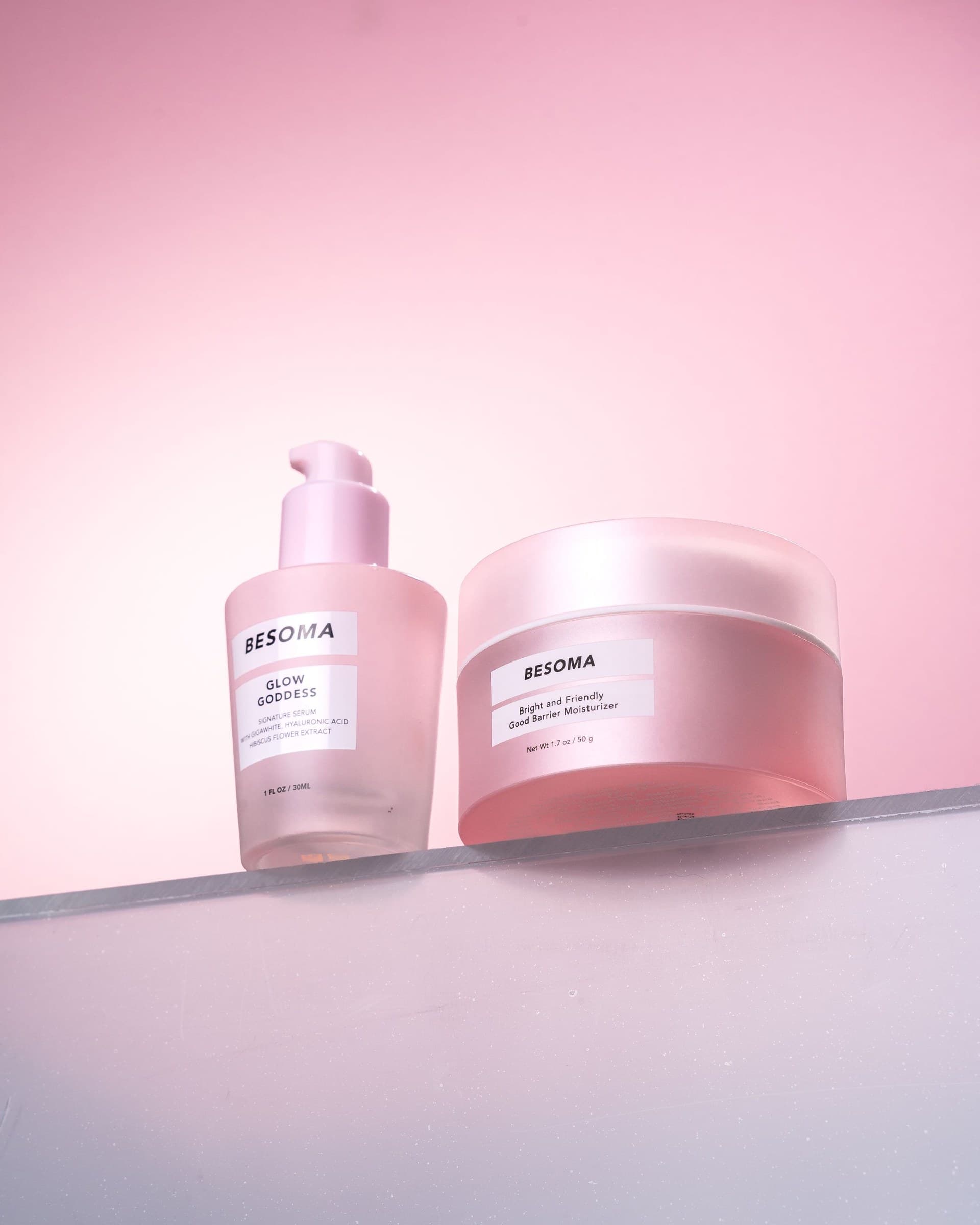
Product photography is real estate for objects: the most repeatable commercial work you can build a studio around. A brand launches a range, refreshes a catalog every season, and reshoots whenever the packaging changes. Once a brand trusts you with its look, it stops sending its products anywhere else.
Most photographers leave money on the table here for the same three reasons every time: they quote by the hour, they treat every product like a portfolio piece, and they deliver files a brand cannot actually drop into a store. Fix those and this becomes income that does not care what season it is or whether anyone is getting married.
Know which of the four clients is calling
They all ask for "photos of my product" and they are buying four different things. Work out which one you have before you quote.
- The e-commerce brand. Needs clean, consistent images that sell on a product page and match across a whole catalog. Cares about consistency and turnaround, reshoots often, and is the client that becomes a retainer.
- The marketing team or agency. Wants styled, on-brand images for campaigns, ads and social. Bigger brief, better rate, and the images have to carry a mood, not just show the object.
- The maker or small business. One product line, and the photos are their entire shopfront. They feel the link between good images and sales directly, so they invest more than their size suggests.
- The marketplace seller. Needs volume shot fast and cheap to a fixed spec. Lower rate per image, but the work is steady and simple once your system is set.
Price per image, never per hour
An hour on set is not the product. A photograph that makes someone add to cart is, and a small item takes the same lighting, the same tethering and the same editing as a large one. Price the deliverable and stop quoting from scratch every time.
Build the price from three things:
- Image count and type, stated in writing. On-white pack shots and styled lifestyle images are priced differently because they cost you differently.
- Usage, folded into the number. Images for a store listing are one thing; the same images licensed for a national ad campaign are another. Charge for where they run, not just for the shutter.
- Editing, which for product work is most of the job. Cleaning dust, cutting out backgrounds, matching colour to the real object and building a consistent set takes longer than the shoot did.
Then sell add-ons instead of discounting the base:
| Add-on | Why they buy it |
|---|---|
| Extra angles | A store listing converts better with front, back, detail and in-use |
| Cut-out on pure white | Marketplaces demand it, and it drops straight into a template |
| Styled lifestyle shot | The frame that carries the ad and the social feed |
| 360 or short clip | Keeps a shopper on the page and cuts returns |
| Rush delivery | A launch date is a real deadline, priced as a service |
The arithmetic in the pricing guide is worth running with your own numbers, and the tier logic in packages that sell applies here almost unchanged.
Agree the shot list before anything is switched on
The fastest way to lose a day is to start shooting without a list. Product clients have a spreadsheet in their head: this many products, these angles, this look. Get it out of their head and onto a page before the shoot.
- Confirm the exact products and how many. A range of twelve at four angles is forty-eight frames, not "some photos," and knowing that sets the day.
- Pin down the look with references. Two or three images they love settles more than an hour of describing. Match the light, the surface and the crop.
- Split on-white from styled up front. They are two different setups and two different prices. Decide which products get which before the shoot, not during.
- Ask who signs off, and by when. A launch date is the real deadline. Knowing it now is how you make it later.
Shoot on-white and styled the same repeatable way
Consistency sells a catalog. Every image in a store has to look like it belongs to the same brand, which means your setup is a system you repeat, not a fresh idea per product.
- One light, shaped and kept. A large softbox for soft, even light, with fill and flags to control the shadow. Write the setup down so product twelve matches product one.
- Tether to a screen. Product work lives or dies on focus and dust, and both are invisible on a camera's back screen. Shoot into a laptop so you catch them on set instead of in editing.
- Lock the camera down. A tripod, the same height and distance, the same crop. A repeatable frame is what makes a grid of products look like one clean set.
- Get the workhorse angle first, then the rest. Front-on on white is the frame every listing needs, so nail it before you play. Then shoot the detail and the in-use angles that upsell.

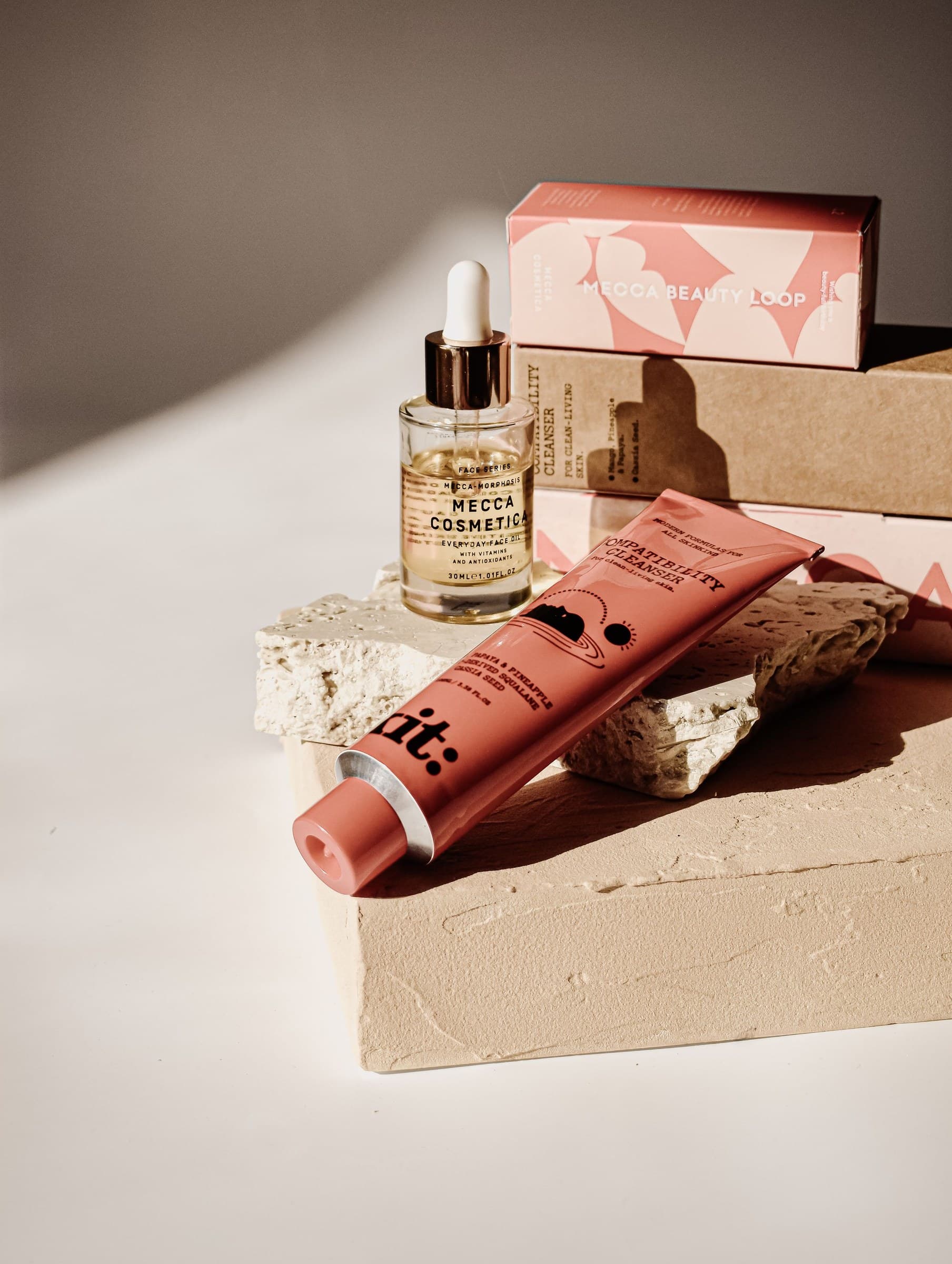
Then earn the rest of the invoice with the styled frames, where the object gets a surface, a prop and a bit of hard light. This is the image that carries an ad and stops a scroll, and it is the one a marketing team pays a real rate for.
Deliver files a brand can actually use
A folder of raw exports is not a delivery, it is homework you have handed the client. The brand wants images that drop straight into a store and a feed, in the sizes those places demand.
- Send one link, sorted by product. Not a zip and not an email attachment that strips the files. A private gallery the whole marketing team can open and forward. The gallery guide covers delivering it so it loads fast.
- Deliver the right crops and sizes. Square for the listing, wider for the banner, cut-outs on transparent where the store needs them. Label everything so nobody uploads a print file to a web page.
- Let the brand pick the hero shots. For a launch, the team needs to choose the three images that go on the product page and the one that leads the campaign. Send a list they tick, with a deadline, instead of trading twenty emails. That is what photo selections are for, and the same mechanics that stop couples stalling on albums work on a busy marketing team.
- Keep a naming system. Product code, angle, size. A brand that can find a file in ten seconds is a brand that reorders from you.
Deliver the catalog as one link they can pick from
Upload the shoot once. Send a fast gallery sorted by product, with the crops and sizes a store needs, and a short list the brand ticks to choose the hero shots for each page, no email thread required.
Turn one order into a retainer
Product work compounds faster than almost any niche, because your clients reshoot by nature. A catalog is never finished.
- Aim for a handful of brands, not a hundred one-offs. A few brands that reshoot every season is a calendar that refills itself, the same way five estate agents are in the real estate guide.
- Be boringly consistent. Same light, same crop, same turnaround, so a brand can add a new product to the range next year and it still matches. Predictable is what wins the retainer.
- Sell the seasonal reshoot before they ask. New packaging, a holiday range, a refreshed line. A quiet message ahead of their launch calendar books the work.
- Rank for the search that has intent. "Product photographer" or "e-commerce photography" plus a place name is a search a brand runs with a budget in hand. The SEO guide covers the pages worth writing, and your portfolio site is where they land and decide.
- Use it as off-season income. Products do not care that it is February. If your portrait or wedding calendar empties in winter, this is the work that fills it, alongside the ideas in the off-season marketing guide.
The short version
Find out which of the four clients you have, then price per image and per usage so you stop quoting from scratch. Agree the shot list and the references before the shoot, and split on-white from styled up front. Shoot both on a locked-down, repeatable setup so a whole catalog matches.
Then deliver a link sorted by product in the sizes a store needs, and let the brand tick the hero shots rather than trade emails about them. A few brands that trust all of that is a business, and it keeps running in the months when nobody is booking anything else.