Real Estate Photography: Pricing, Shooting and Delivery
Real estate photography as a business: who actually pays, how to price per property, the shot list that sells a listing, and next morning delivery.
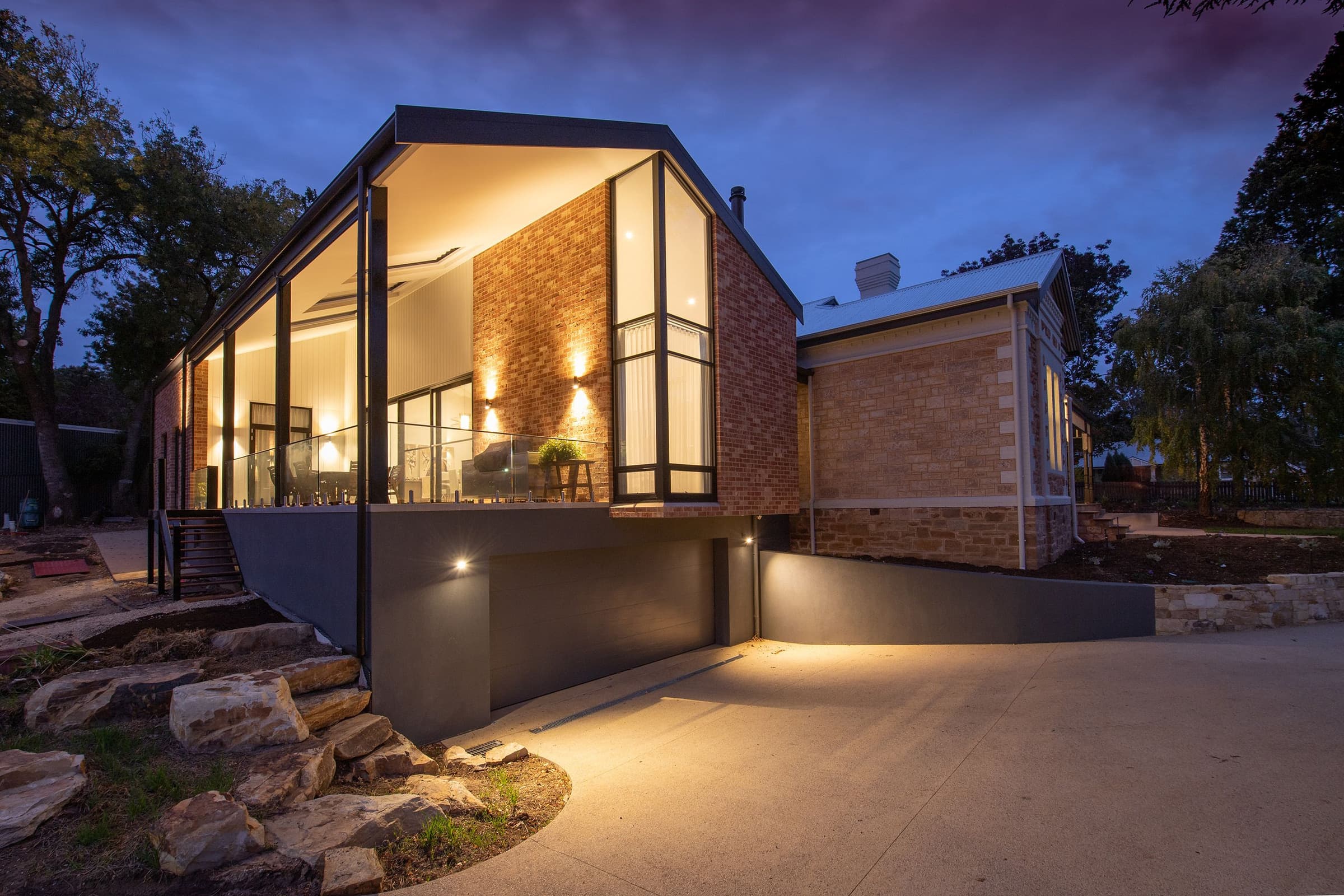
Real estate is the most repeatable work in photography. A wedding client books you once in a lifetime. An estate agent lists a property every few weeks, and once they trust you they stop calling anyone else. Five agents who each list twice a month is a full calendar that refills itself.
Most photographers still lose money on it, for three reasons: they quote by the hour, they shoot a property like a portfolio piece, and they deliver on Tuesday for a listing that went live on Friday. Fix those and this becomes the steadiest income you have, including through the winter when portrait work goes quiet.
Know which of the four clients is calling
They all ask for "photos of a property" and they are buying four different things. Work out which one you have before you quote.
- The estate agent. Wants speed, consistency and a price they can put in a listing budget without thinking. Books constantly, cares about turnaround more than about art, and will leave you over one late delivery.
- The developer or builder. Needs a whole scheme covered, usually before it is finished, for brochures, hoardings and a launch campaign. Longer licence, bigger scope, better rate, slower to pay.
- The short let host. One property, and the photographs are their entire shopfront. They understand the link between good images and a full calendar, so they buy more than the agent will.
- The architect or interior designer. Wants the design read correctly, not just the room shown. The most demanding brief, the best rates, and portfolio work that brings in the other three.
Price per property, never per hour
An hour on site is not the product. A set of images that makes somebody book a viewing is, and a small flat has the same drive, the same setup and the same editing as a large one. Price in bands and stop negotiating from scratch every time.
Build the bands from four inputs:
- Property size, as a rough band rather than an exact figure. Under 90 square metres, 90 to 180, 180 to 300, above that by quote.
- Image count, stated in writing. Twelve, twenty, thirty. Agents ask "how many do I get" first, so answer it before they ask.
- Travel, folded into the band for your normal radius and charged beyond it. Two hours of driving is half a day whatever the property looks like.
- Editing, which for property work is most of the job. Blending brackets, straightening verticals and colour correcting a room lit by three different bulbs takes longer than the shoot did.
Then sell add-ons rather than discounting the base:
| Add-on | Why they buy it |
|---|---|
| Twilight exterior | The frame buyers stop scrolling on, and the one agents ask for by name |
| Drone or high angle shot | Shows the plot, the roof and how close the neighbours are |
| Floor plan | Buyers filter for them, and a listing without one gets skipped |
| Video walkthrough | Keeps a remote buyer on the page and cuts wasted viewings |
| Rush delivery | Same evening, priced as a service and not as a favour |
The arithmetic in the pricing guide is worth running with your own numbers, and the tier logic in packages that sell applies here almost unchanged.
Shoot the list, in order, every time
Consistency is the product. An agent needs to know that every property you shoot comes back looking like it belongs to the same agency.
- Front elevation, straight on, from as far back as the street allows.
- The hero room, from the corner that shows the most floor and the most light.
- The kitchen, from two opposite corners, worktops clear.
- Living space to dining space, one frame that shows how the rooms connect.
- The main bedroom, then the other bedrooms, all with the same bed styling.
- Bathrooms, tight, mirror checked for your reflection, seat down.
- The outside space, from the house looking out and from the garden looking back.
- The view, if there is one worth selling.
- Two details, a fireplace, original tiles, a good handle. These fill a brochure.
- Twilight exterior, last, in the twenty minutes after the sky goes blue.
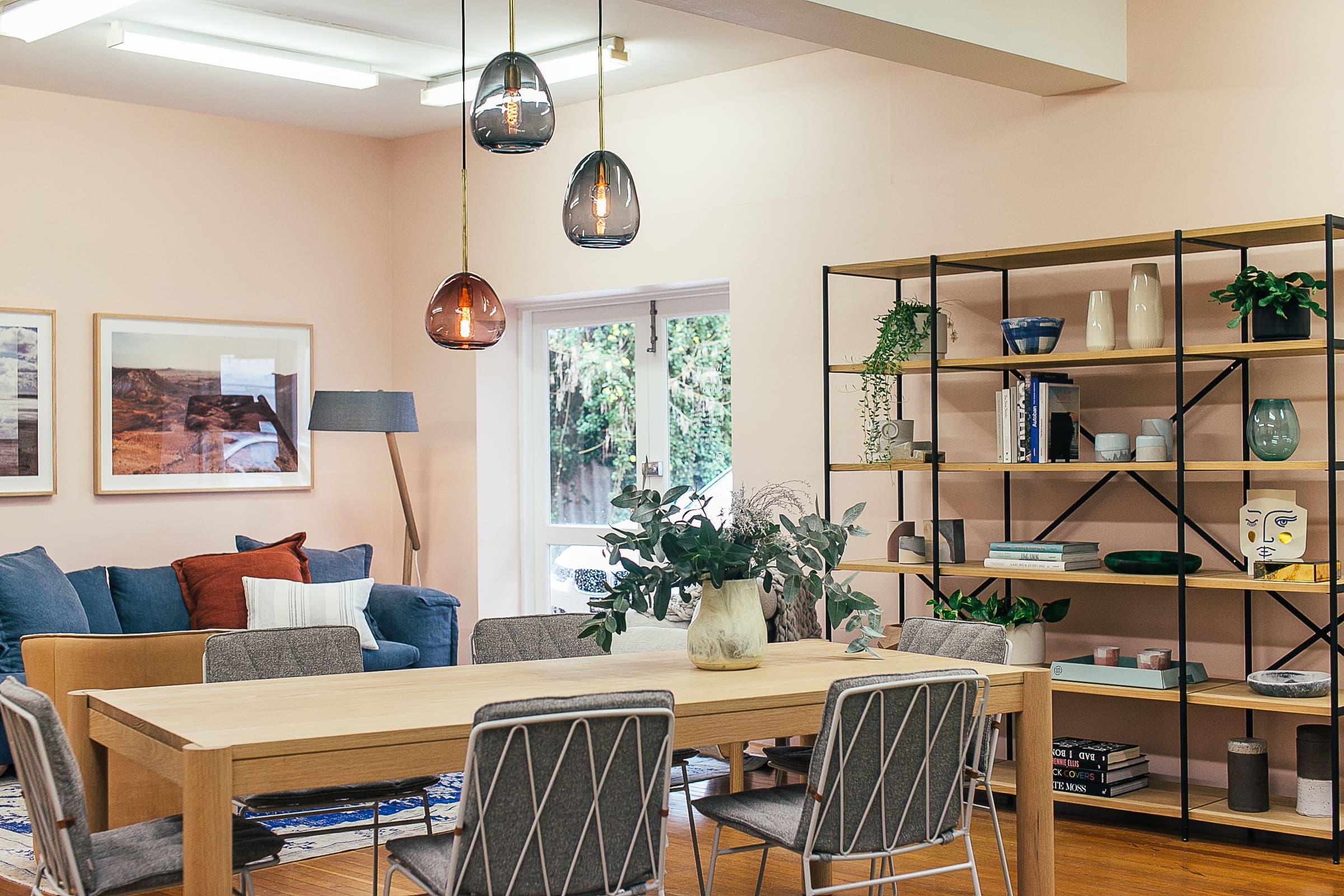
Four technical habits do most of the work:
- Camera at chest height, around 1.4m. Eye level makes ceilings loom, and floor level is an estate agent cliché that flatters nothing.
- Verticals straight. A leaning door frame is the fastest way to look amateur, and it is a two second fix in Lightroom you should never be doing on twenty images.
- Lights on, blinds open, one white balance per room. Mixed lighting is the reason property photos go orange in one corner and blue in the other.
- Tidy before you shoot. Bins, cables, toilet brushes, cars on the drive, a dog bowl. Five minutes of moving things saves an hour of cloning.
Turnaround is the product, not a nice extra
Agents work to a listing date. A set delivered the next morning gets the property live that week. The same set two days later means the listing went up with phone photos and yours were added when nobody was looking.
- Promise next morning, deliver next morning. Say the time out loud and hold it.
- Cull hard and cull fast. You need twenty good frames, not sixty. The habits in the culling workflow guide cut property editing more than they cut wedding editing.
- Send one link, not an attachment. Email strips large files, and a zip on a phone is useless to an agent standing outside a viewing.
- Deliver two sizes, a web set sized for the portals and a full resolution set for print. Label them so nobody uploads a 40MB file to a listing.
Make the agent's part one click
An agent does not want a folder. They want the images they need for the portal, and they need to tell you which ones those are for the brochure. That request usually happens over three emails and a phone call.
Send the set as a link with the rooms in order, then send a short list they tick: the twenty for the portal, the six for the window card. They pick, you get a deadline that is met, and nobody digs through a shared drive. That is what photo selections are for, and the same mechanics that stop couples stalling on album choices work on a busy agent. The album selection guide covers the wording that gets an answer.
Sell the walkthrough, not just the photographs
A grid of twenty images tells a buyer what a house contains. It does not walk them through it, which is exactly what they are trying to imagine.
Lay the same shoot out as a scroll instead: the twilight exterior, the hall, the kitchen, out to the garden, upstairs, ending on the view. Add the walkthrough clip in the middle. It reads like arriving at the property rather than like browsing a folder, and it works on a phone on the train, which is where most first viewings actually happen. There is more on why that holds attention in why scrolling stories work.
Sell it as an add-on the agent can send to a shortlist, or as the page a developer links from a launch campaign. It also outlives the listing: it stays in your portfolio as proof of what you deliver, which is more persuasive to the next developer than any set of thumbnails.
Send the property as a walkthrough, not a folder
Upload the shoot once. Deliver a fast link with the rooms in order and full resolution files for print, and publish the same upload as a scroll through the property that an agent can send to a buyer that evening.
Turn one booking into a calendar
Property work compounds faster than any other niche, because your clients are repeat buyers by definition.
- Aim for five regular agents, not fifty occasional ones. Five who list twice a month is a hundred and twenty shoots a year.
- Be boringly reliable. Same price, same turnaround, same look. Agents recommend you internally when you are predictable, and internal recommendations are how you get a whole branch.
- Photograph the agent too. Branch teams need headshots, and the agent whose portrait you took is the one who calls you first. The brand photography guide covers scoping that properly.
- Rank for your town. "Property photographer" plus a place name is a search with clear buying intent and thin competition in most markets. The SEO guide covers the pages worth writing, and your portfolio site is where they land.
- Use it as off season income. Property listings do not care that it is February. If your portrait or wedding calendar empties in winter, this is the work that fills it, alongside the ideas in the off season marketing guide.
The short version
Price per property in bands with add-ons, so you stop quoting from scratch. Shoot the same list in the same order at chest height with straight verticals, so every property looks like your work. Deliver the next morning on one link with two sizes, because the listing date is the only deadline that matters.
Then give the agent a walkthrough they can forward and a short list they can tick. Five agents who trust all of that is a business, and it keeps running in the months when nobody is getting married.